
Mark Wright
Product Development Manager and Marketing

Latest articles
Why Choose Alfred Wainwright’s Coast to Coast Walk?
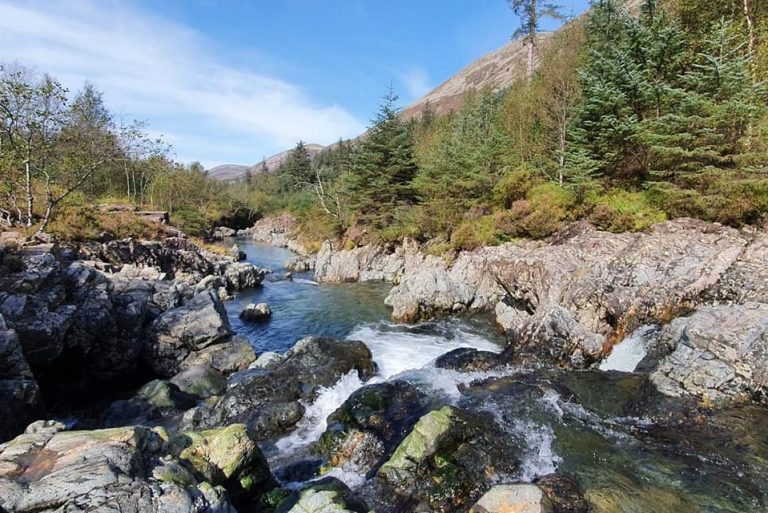
Alfred Wainwright’s Coast to Coast is an iconic and cherished long distance walk spanning the width of the country, from St Bees on the west coast to Robin Hood’s Bay on the east. Covering approximately 192 miles, the trail journeys through three national parks, the Lake District, Yorkshire Dales, and the North York Moors. The celebrated fell walker and guidebook writer created the Coast to Coast walk in 1973. Wainwright’s passion for the outdoors, coupled with his meticulous attention to detail, resulted in a magnificent walk showcasing some of the most breathtaking landscapes in the north of England. Wainwright himself once said, “Surely there cannot be a finer itinerary for a long-distance walk.” The adventure begins in St Bees, where you are greeted by dramatic sandstone cliffs and expansive views of the Irish Sea. As you journey through the Lake District, England’s largest National Park and a UNESCO World Heritage Site, you’ll encounter majestic mountains, serene lakes, and delightful villages. The trail then takes you into the picturesque Yorkshire Dales, characterised by rolling hills, limestone formations, and charming market towns. The final stretch over the North York Moors offers atmospheric heather-clad moorlands and stunning coastal views. The variety of landscapes…
The Two Moors Way: Devon’s Coast to Coast Trail
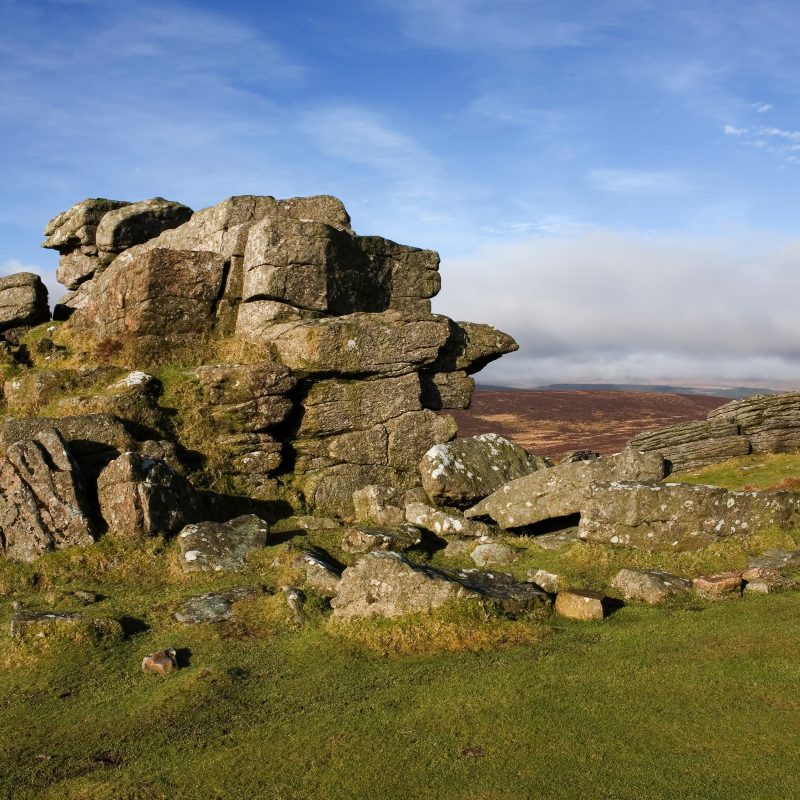
When we talk about walking on the South West Peninsula I think it’s fair to say our thoughts immediately turn to the South West Coast Path, and understandably so, the 630 mile route from Minehead in North Devon round to Poole in Dorset features some of the finest coastal walking in Europe. However there are many other great trails in this beautiful part of the country and one of those is the Two Moors Way, and it just happens to be the latest addition to our list of forty-five routes throughout the UK, Ireland and the Channel Islands. The Route Today the Two Moors Way stretches 117 miles from Wembury on the South Devon coast to Lynmouth on the North Devon coast. However the origins of this incredible route date back to 1976 when it was first established as a long-distance trail from Ivybridge to Lynmouth. The brainchild of countryside ranger Joe Turner the route was envisioned as a way to traverse Devon’s most stunning and remote moorlands, linking the two national parks through quiet villages and rural farmland. In 2005 the trail was extended southward to Wembury by incorporating the Erme-Plym Trail. This addition, blending the original Two Moors…
Notes from the Cornwall Coast
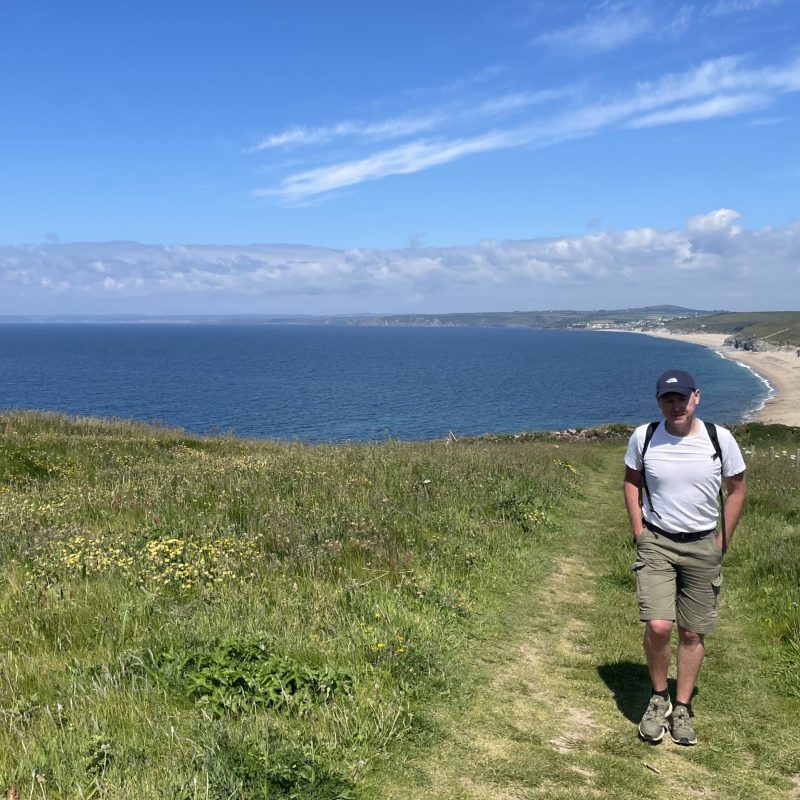
Having walked sections of the Thames Path on my two previous familiarisation trips, I thought I’d try something a little different this year and headed for the South West Coast Path. I chose to walk the 65 miles from St Ives to Lizard on the Cornwall coast. Once again I was accompanied by my daughter Ebony. St Ives We were lucky to be able to spend a bit of time in St Ives before starting our walk and I’d recommend you do the same. It takes some time to get to St Ives and my feeling is if you were to arrive, realistically late afternoon, and set off on your walk the following morning, you’d leave with a sense of regret. Renowned for its stunning beaches, vibrant art scene, and rich cultural heritage, St Ives has long been a favourite destination for artists, surfers, and tourists alike. St Ives deserves to be explored, and it deserves at least a full day to do so. The town is home to several beautiful beaches, each offering its own unique charm. Porthmeor Beach is perhaps the most famous, known for its golden sands and excellent surf, it’s a real hotspot for adventurers. Porthminster…
7 Pembrokeshire Coast Path Locations You Should Know About
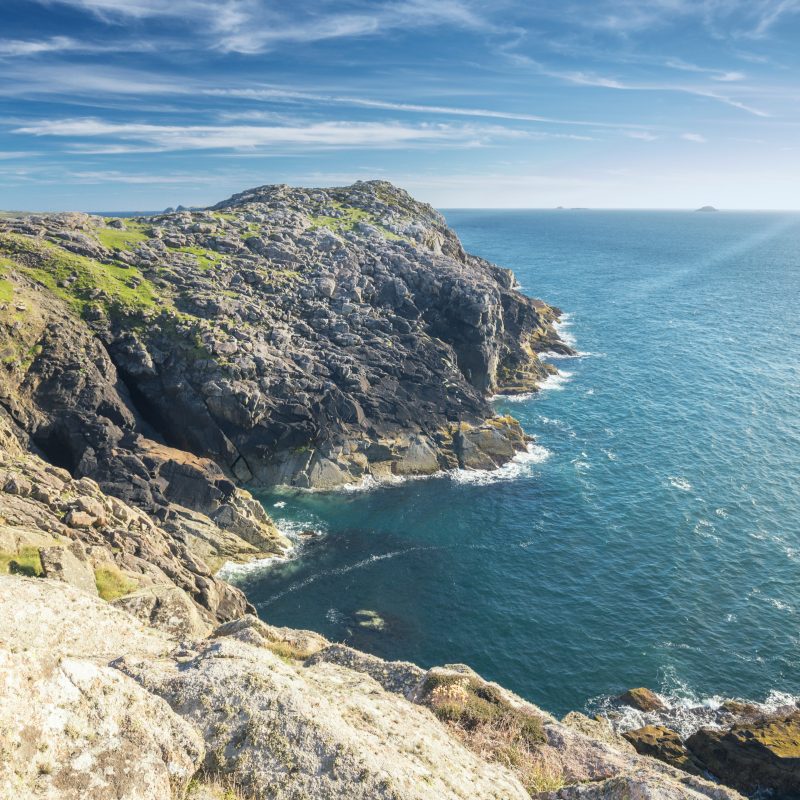
Walking the Pembrokeshire Coast Path is a magnificent adventure. Stretching 186 miles from Amroth to St Dogmaels this stunning coastline showcases some of the most breathtaking scenery in the UK. The path journeys over dramatic cliffs, along secluded beaches, and through lush green landscapes, rewarding walkers with ever-changing views of the sea and surrounding countryside. From iconic landmarks like the Green Bridge of Wales to picturesque towns and villages such as Tenby and Solva, the Pembrokeshire Coast Path delivers a visual feast at every turn. Pembrokeshire’s coastline is a geological treasure trove, with rock formations shaped by centuries of erosion. The path is also a haven for wildlife enthusiasts. Walkers can observe a diverse range of seabirds and marine life. The surrounding habitats also support a variety of plants and animals. The path passes through charming villages, historic sites, and landmarks that offer a glimpse into the region’s rich heritage. Discover ancient burial chambers, medieval castles, and traditional fishing communities along the way. Walking the Pembrokeshire Coast Path is a journey of discovery that immerses you in the natural and cultural wonders of Wales. Whether you’re seeking solitude, adventure, or inspiration, the Pembrokeshire Coast Path serves up a truly memorable…
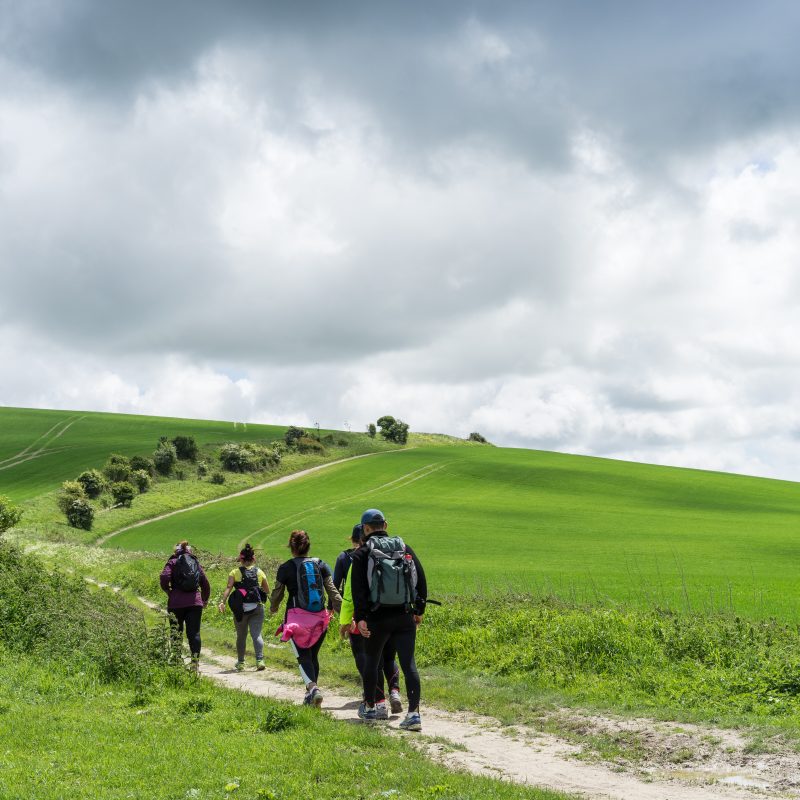
Top 6 Highlights of the South Downs Way National Trail
The South Downs Way traverses over 100 miles of stunning English countryside, taking walkers on a journey through some of the most breathtaking landscapes in the country. Stretching from the historic city of Winchester in Hampshire to the coastal town of Eastbourne in East Sussex, the trail winds its way along ancient tracks, over rolling hills, and through picturesque valleys, showcasing the natural beauty and rich cultural heritage of the South Downs. As one of Britain’s most beloved national trails, the South Downs Way attracts visitors from around the world who come to experience its diverse landscapes, fascinating history, and warm hospitality. Along the way, walkers encounter a wealth of attractions, including historic landmarks, charming villages, cosy country pubs, and an abundance of wildlife and birdlife. Here we take a look at just six of the many highlights enjoyed on this iconic trail. Winchester Cathedral Situated at the heart of the historic city of Winchester, Winchester Cathedral is one of the most recognisable and historically significant cathedrals in England. With its origins dating back over a thousand years, this magnificent medieval masterpiece stands as a testament to the architectural and religious heritage of the region. Originally founded in the 7th…
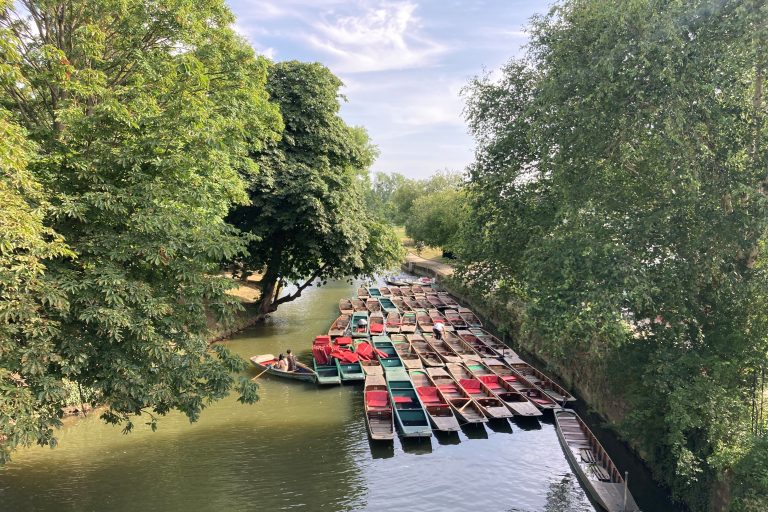
Top 8 Highlights of the Thames Path Walk
I have been lucky enough to enjoy two amazing walking holidays on the Thames Path. During the heatwave of 2022 my daughter Ebony and I walked the 59 miles from Oxford to Marlow, and the following summer we returned to continue our journey with a 58 mile walk to Westminster. In my previous blogs, Reflections on the River Thames, and Return to the River Thames I focused mainly on the countryside around us, the fact there were hardly any hills, the food we ate, and in large part, just the experience of sharing extended time together in the outdoors and the benefit that can bring to our wellbeing. Here however I take a more specific look at some of the cities, towns and villages we visited, and what they offer both in terms of the Thames Path walk itself and as additional days for further exploration. If you’re wondering the reason for the odd number, and already the quick witted among you are saying it’s an even number, I set out to list my top five highlights. It immediately became six, and in the end, as you can see, numbered eight. Once read, I’m sure you’ll agree all are worthy…
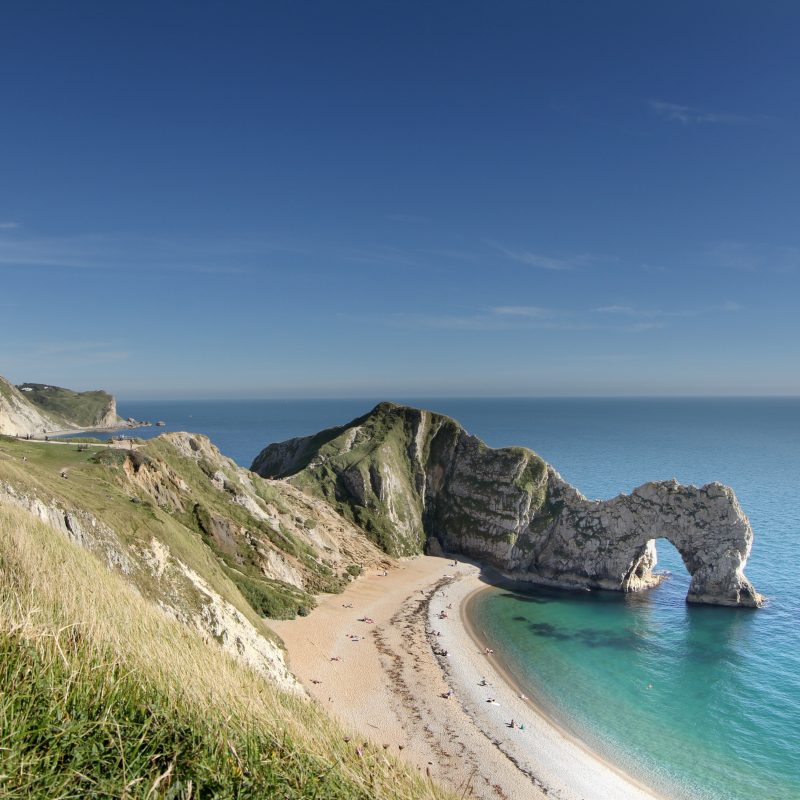
Walking England’s Longest National Trail
The South West Coast Path boasts some of the best coastal walking in Europe. Pretty fishing villages, rocky headlands, lively resorts, woodland estuaries and golden surf-washed beaches combine to create a picture perfect walking holiday. The Devon, Cornwall and Dorset coastline is rich with wildlife, seabirds and wildflowers, and hopefully when you’re there, the skies will be blue and seas emerald green. At 630 miles the South West Coast Path is also England’s longest waymarked long-distance footpath and National Trail, but don’t worry, we won’t be asking you to walk the entire the path in one visit. Walking anti-clockwise we’ve broken it into five sections, and these too break down into bite size chunks giving you ten incredible holidays in total to choose from. Let’s take a closer look at each of those sections. North Devon: Minehead to Westward Ho! Our North Devon holiday, actually begins life in Minehead just over the border in Somerset, and runs for almost 90 miles to the village of Westward Ho! enjoying overnight stays in popular locations such as Lynmouth, Ilfracombe and Woolacombe. On your journey you’ll pass through coastal woodland and see vast sandy beaches popular with surfers, you’ll walk over some of the highest…

Top 10 Highlights on the Cotswold Way
Stretching just over 100 miles from the medieval market town of Chipping Campden in the North Cotswolds to the historic City of Bath in Somerset, the Cotswold Way is one of England’s finest National Trails. The Cotswold landscape is an officially designated Area of Outstanding Natural Beauty and its enthralling blend of parkland, neat fields with dry-stone walls and patches of lush woodland are testament to that. Choose to walk the whole route in one holiday over 6 to 11 days, or savour it over two shorter 5 day adventures with the northern ‘Escarpment and Villages‘ section and southern ‘Long Barrows and Baths‘. Could the Cotswold Way be your next great adventure? To help you decide we’ve put together our Top 10 Highlights on the Cotswold Way. It could easily have been double, it’s such a beautiful trail. Some can be enjoyed as part of your walking day, others will probably require a rest day to fully appreciate them. Chipping Campden Chipping Campden embodies quintessential English charm with its honey-coloured limestone buildings, quaint streets, and rich history. As the starting point of the Cotswold Way, this historic market town captivates visitors with its beauty and cultural significance. At the heart…

Visiting Fort William on the West Highland Way and Great Glen Way
Two of our most popular routes in Scotland, the West Highland Way and the Great Glen Way share one very special location, Fort William. The 95 mile West Highland Way begins in Milngavie near Glasgow and travels alongside Loch Lomond and over Rannoch Moor, reaching its destination in Fort William. The 73 mile Great Glen Way on the other hand sets off from Fort William, and journeys alongside Loch Lochy and Loch Ness following the geological fault line through to Inverness. Many walkers choose to combine these two great routes creating a magnificent 168 mile tour of the Highlands. Whether choosing one of these routes or combining both our walkers frequently request a rest day in Fort William, either to fit in some extra outdoor or cultural activities, or simply to soak up the serene atmosphere of this delightful corner of Scotland. Let’s learn a little bit more about Fort William shall we? Fort William, nestled beneath Britain’s highest peak, Ben Nevis, is the largest ‘town’ in the Highlands, only the city of Inverness, the end point of the Great Glen Way, has a larger population. Located at the head of Loch Linnhe it’s perfectly placed as a gateway to…
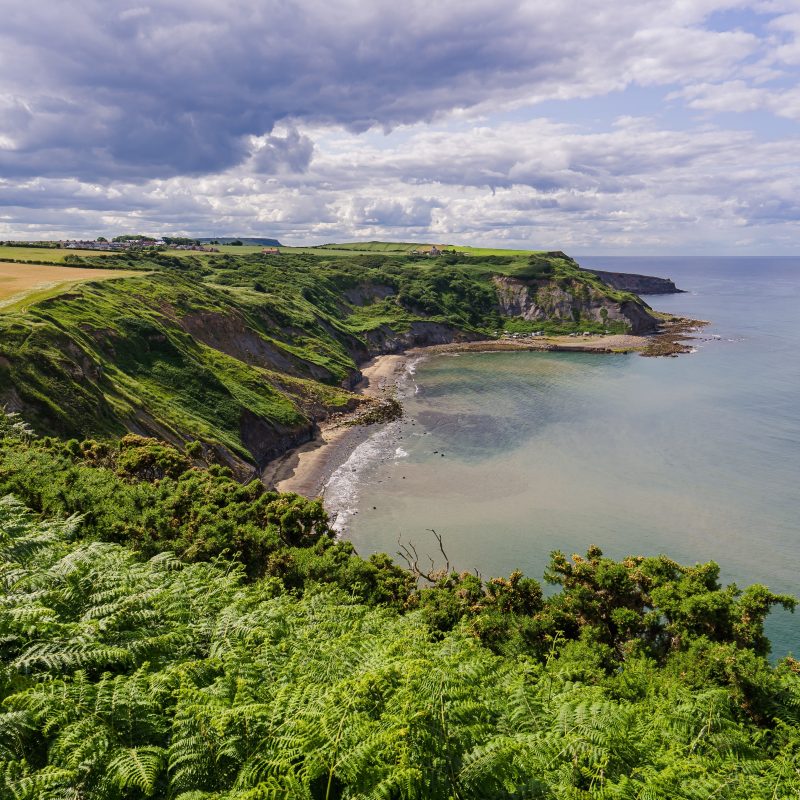
Reasons to walk the Cleveland Way
The Cleveland Way has established itself as a firm favourite with Mickledore walkers. One of England’s original National Trails, this delightful 109 mile route runs from Helmsley, on the southern edge of the North York Moors, up to Saltburn-by-the-Sea, before making its way down the North Yorkshire coast to Filey. It’s an enchanting journey through two very distinct types of landscape – wild moorland and rugged clifftops. Here we take a look at just a few of the elements that will ensure that time spent walking the Cleveland Way will prove an enriching and rewarding experience. A Rich History The Cleveland Way begins in the charming market town of Helmsley with its medieval castle dominating the skyline. You can explore the castle’s magnificent walls and immerse yourself in the tales of its historical significance, particularly its role in the English Civil War. Throughout the Cleveland Way you will encounter remnants of ancient times such as the impressive ruins of Rievaulx Abbey, an eloquent testimony to the once-flourishing power of medieval monasticism. The haunting beauty of Whitby Abbey, perched on the cliffs overlooking the town, invokes a sense of awe and mystery. This stunning gothic abbey served as inspiration for Bram…
How long does it take to walk the Coast to Coast?
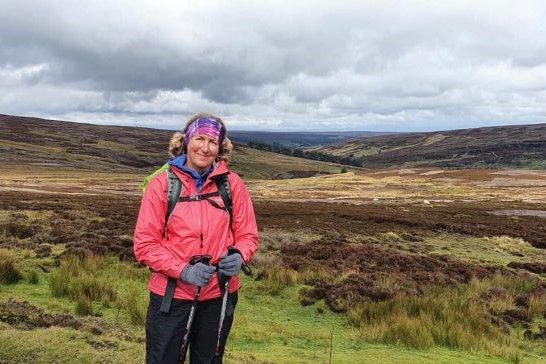
The Coast to Coast is revered as one of England’s finest long-distance walks. This iconic path crosses three national parks, showcasing a variety landscapes from fells and lakes to woodlands and moorlands. Starting at St Bees in the Lake District, walkers navigate deep sided valleys, lakeshores, and mountain passes. The Yorkshire Dales follow, renowned for its intricate field patterns and dry stone walls, offering a gentler terrain. Richmond marks the end of the Dales, leading to the Vale of York and the remote heather-clad hills of the North York Moors. This unforgettable journey challenges with steep climbs and rewards with stunning scenery. Its enduring popularity among global walkers is testament to the brilliance of its creator, Alfred Wainwright. The Coast to Coast is not only one of our most popular walks, it’s also one of our longest. Which brings us on to one of the most commonly asked questions by those considering the 192 mile route – How long does it take to walk the Coast to Coast? Well, the answer depends really on the individual. Some will want to have a reasonably comfortable time of it while others will be looking for more of a challenge. Other factors such…
Alternatives to the Hadrian’s Wall walk
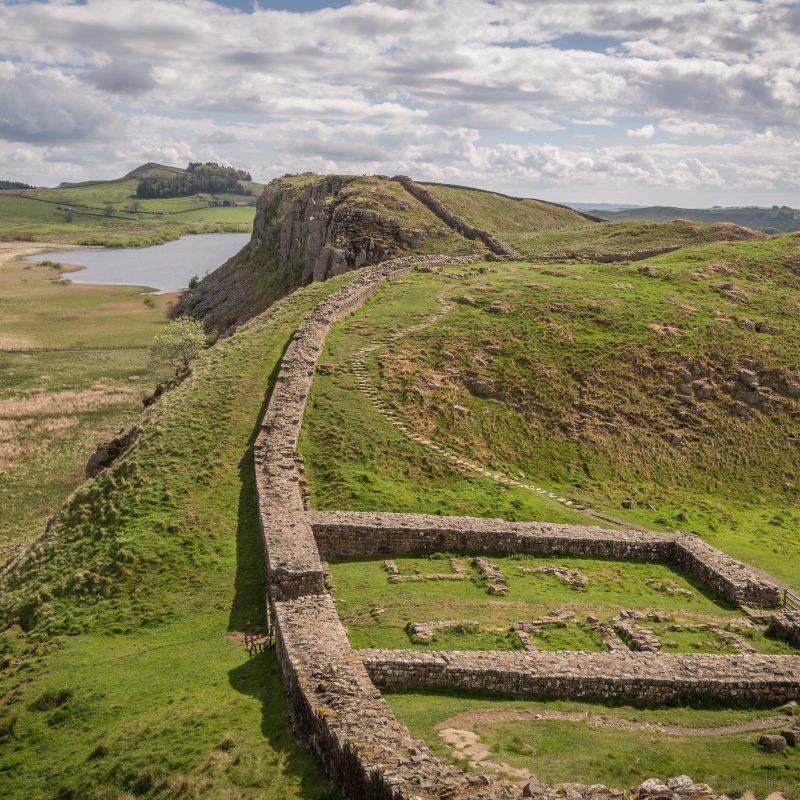
Hadrian’s Wall Path, established in 2003, is a celebrated coast to coast route that closely follows the iconic Hadrian’s Wall. Built on the order of Emperor Hadrianus between AD122 and AD128, this defensive fortification aimed to safeguard the most northern extreme of the Roman Empire. The path runs from Wallsend near Newcastle, through Northumberland’s picturesque countryside, reaching the historic city of Carlisle and concluding at Bowness on Solway. Being the first National Trail aligning with a UNESCO World Heritage Site, Hadrian’s Wall Path underwent meticulous planning to preserve the Wall’s integrity. It took a decade to open it to the public, longer than the Romans took to build the Wall. Despite a few bumps and hollows, Hadrian’s Wall Path is considered one of the easier national trails, offering a week or so of exploration on well maintained paths amid captivating historical remains and breathtaking landscapes. Year on year, Hadrian’s Wall is one our most popular routes, and it’s easy to see why. We urge anyone aiming to walk this incredible trail to book as early as you can. This gives us the best chance of securing our most preferred accommodation. It’s also helpful to let us know if you have…