
Mark Wright
Product Development Manager and Marketing

Latest articles
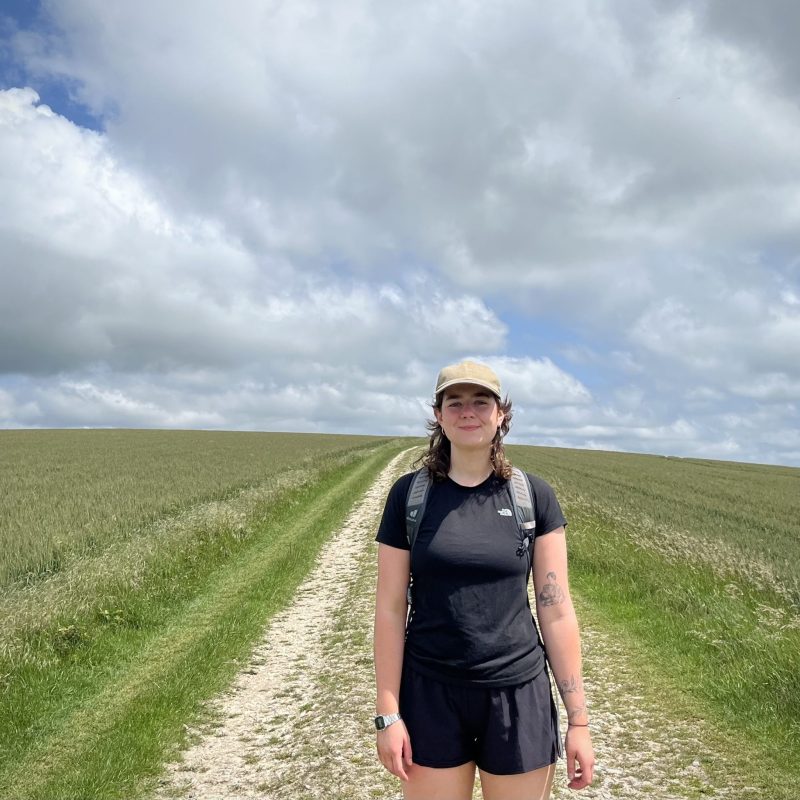
Notes from the South Downs Way
Previous familiarisation trips with my daughter Eb have seen us follow rivers and coastlines – along the Thames Path from Oxford to Westminster, and from St Ives to the Lizard on the South West Coast Path. This time, though, we found ourselves heading somewhere a little different. No water’s edge to follow – just the promise of big skies, open country, and a trail that carves its way across the chalk ridge of the South Downs. In truth, it hadn’t occurred to us until we were out there that we did still have a natural marker to follow – only this time, it was the escarpment itself. We chose the western section of the South Downs Way partly because, as our track record suggests, we’re drawn to the south of the country – the climate tends to be milder, and there’s something really appealing about those wide, rolling arable landscapes. Living as I do in the Lake District, I’m surrounded by rugged beauty, but there’s a certain freedom in stepping out from the embrace of the fells and into the sweep of open country. I’d visited Denmead, not far from the trail, the previous year and had been struck by…
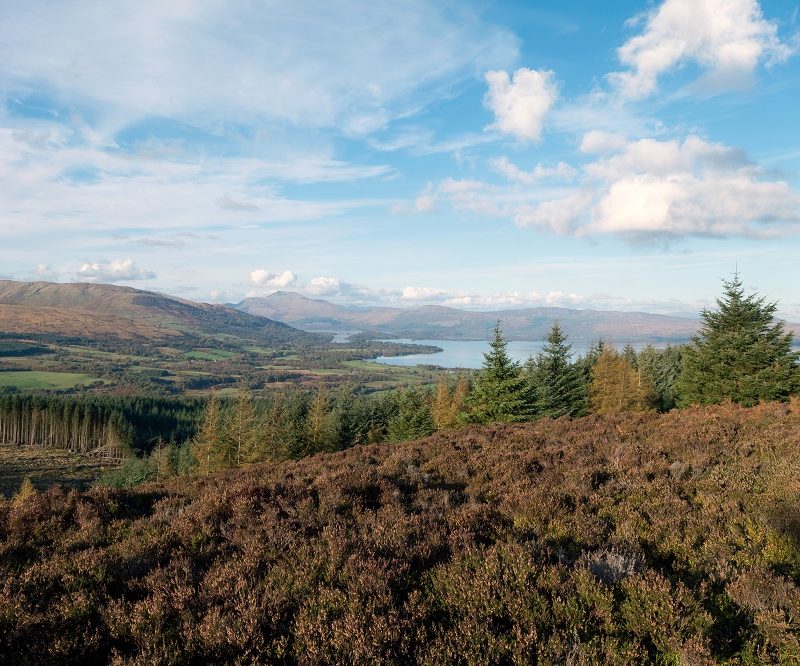
Top 5 Coast to Coast Walks: Explore the Best of Britain
For those seeking a true long-distance adventure, nothing compares to the challenge and beauty of a coast to coast walk. From the rugged Highlands of Scotland to the rolling hills of Devon, these five iconic routes cross some of the most spectacular and diverse landscapes in the country, each offering its own unique mix of history, scenery, and natural beauty. Whether you’re looking to traverse the wild and windswept expanse of the Two Moors Way in Devon or follow in the footsteps of Roman soldiers along Hadrian’s Wall, each walk promises a distinctive journey. The Great Glen Way, with its tranquil lochs and ancient woodlands, offers a gentle introduction to the Highlands, while the John Muir Way provides a perfect blend of countryside, coastal paths, and urban exploration in central Scotland. And of course, Alfred Wainwright’s legendary Coast to Coast Path offers the ultimate cross-section of northern England’s finest landscapes, from the majestic peaks of the Lake District to the dramatic heather-clad uplands of the North York Moors. These trails do more than take you from one point to another – they lead you through the best of Britain, with each step revealing something new about the country’s rich history,…
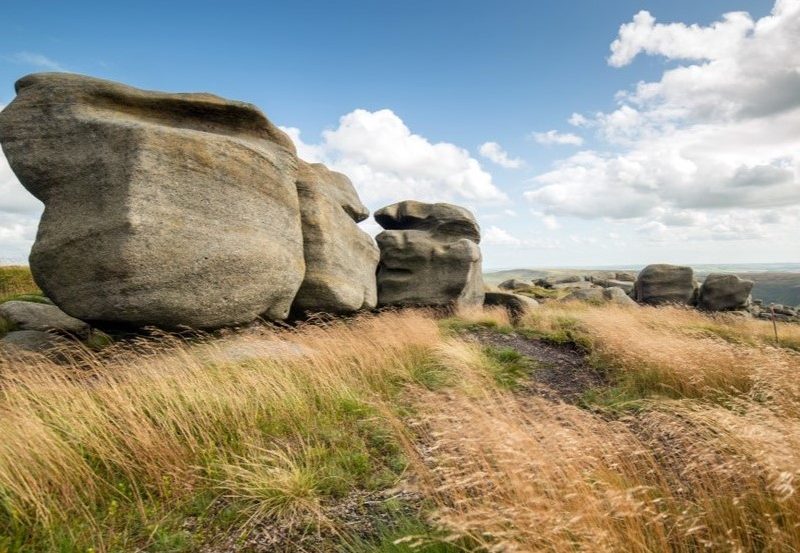
How to Prepare for the Pennine Way
The Pennine Way is one of Britain’s most celebrated long-distance trails. Stretching 265 miles from Edale in the Peak District to Kirk Yetholm in the Scottish Borders, it takes walkers along the rugged backbone of England before crossing into Scotland. With challenging days over dramatic moorlands, rolling hills, and remote uplands, it’s a walk that demands respect, but for those who are well-prepared, the rewards are immense – stunning landscapes, a deep connection with nature, and a real sense of achievement. Whether you’re planning to tackle it in one go or break it into sections, here’s how to get ready for this epic journey. Choosing the Right Itinerary The Pennine Way is a truly iconic trail, and deciding how much of it you’d like to take on is an exciting part of your journey. For those eager to walk the entire 265 mile trail, the full Pennine Way can be completed in 16 to 22 days, depending on your pace and how much time you want to spend savouring the breathtaking landscapes. It can be a tough journey at times, but the rewards are truly remarkable. If you’re looking for a more relaxed adventure, or perhaps a first foray into…
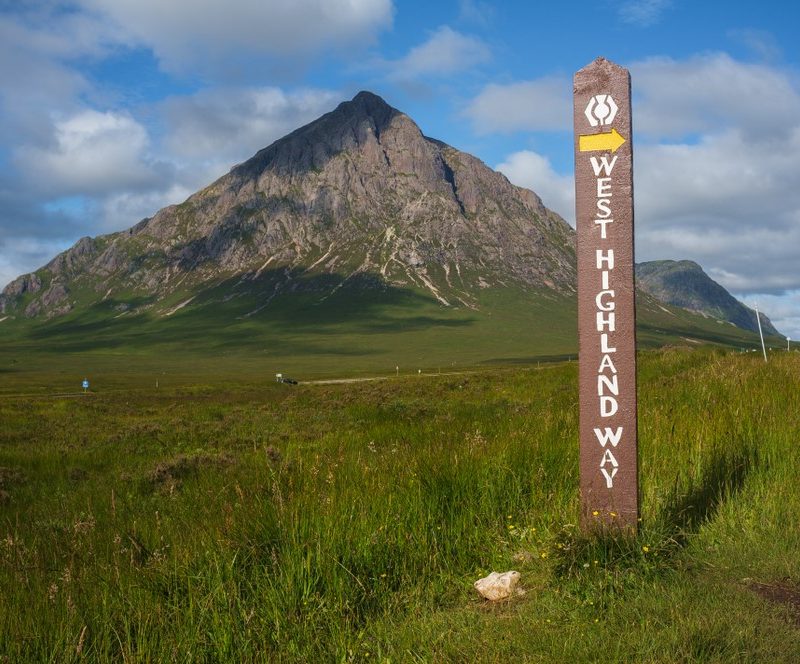
Best Time to Walk the West Highland Way
Stretching 95 miles from Milngavie, just outside Glasgow, to Fort William in the Scottish Highlands, the West Highland Way is undoubtedly one of Scotland’s best known long-distance walking trails. This iconic route takes walkers through an ever-changing landscape, from the rolling countryside of Loch Lomond and the Trossachs National Park to the dramatic beauty of Rannoch Moor and Glen Coe, before reaching the foot of Ben Nevis, the UK’s highest mountain. Choosing the best time to walk the West Highland Way depends largely on weather conditions and how willing you are to share the trail with others. Here’s a guide to help you decide when to embark on this unforgettable journey. Late March & Early April Late March marks the start of the main walking season in Scotland, however it can come with some challenges, particularly in the early weeks. While the trail predominantly passes through the mountains rather than over them, the Scottish Highlands can still see a fair amount of ice and snow at this time of year. That said, the clocks go forward at the end of March, and come April the landscape begins to awaken from winter. With fewer crowds on the trail, and a freshness…
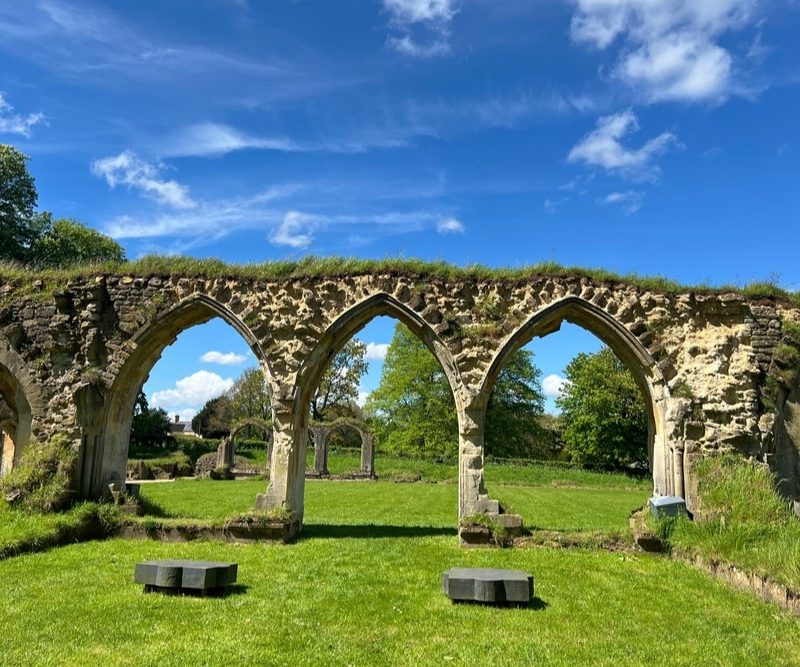
Top 6 Historical Sites to Visit Along the Cotswold Way
The Cotswold Way is a stunning 102 mile trail that winds through some of England’s most picturesque landscapes. As you walk along this iconic route, you’ll encounter a wealth of fascinating historical sites, each of them offering a glimpse into the past. In this blog, we’ve highlighted six must-see landmarks that showcase the region’s diverse history – from ancient burial sites to medieval castles and grand abbeys. Whether you’re a history enthusiast or simply looking to explore the timeless beauty of the Cotswolds, these sites offer something truly special along the way. Broadway Tower Perched on Middle Hill, the second-highest point in the Cotswolds, Broadway Tower is a striking folly with a fascinating history, and some of the most spectacular views along the Cotswold Way. Designed in the late 18th century by the renowned landscape architect Capability Brown, this elegant tower was built at the request of Lady Coventry, who wished to see if a beacon on the hill could be viewed from her home in Worcester – over 20 miles away. Over the centuries, Broadway Tower has served as a countryside retreat, a printing press for William Morris and the Arts and Crafts movement, and even a wartime observation…
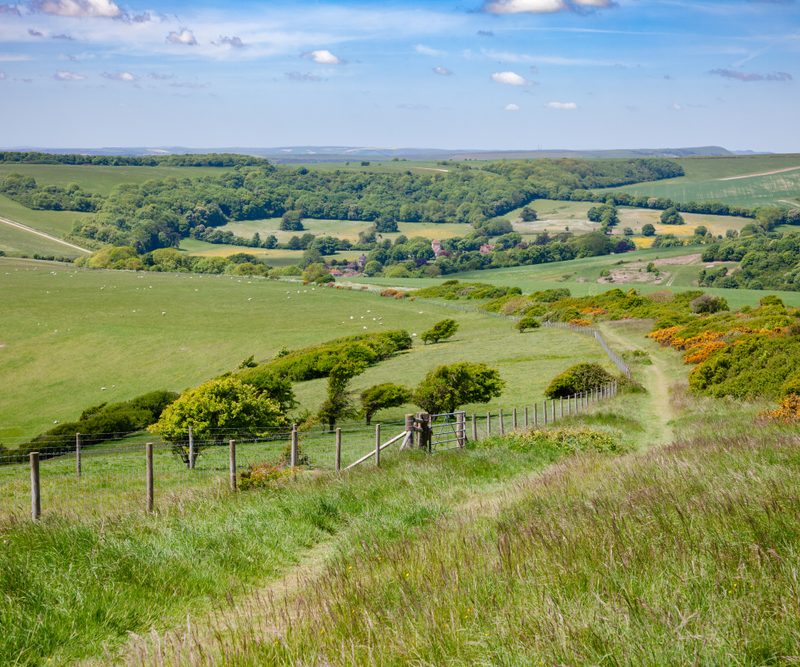
Complete Guide to the South Downs Way: The Best of Sussex and Hampshire
Stretching across the rolling chalk hills of Hampshire and Sussex, the South Downs Way is a journey through some of the most picturesque and historic landscapes in the country. Running for 100 miles from the historic cathedral city of Winchester to the seaside town of Eastbourne, this stunning National Trail offers a perfect blend of sweeping countryside views, ancient woodlands, and dramatic coastline. Walkers encounter centuries of history along the way, from Iron Age hill forts to medieval villages, while the route’s gentle gradients and well-maintained paths make it an accessible adventure for all walkers with a reasonable level of fitness. Whether you’re drawn to the promise of uninterrupted views over the English Channel, the chance to spot rare wildlife, or simply the joy of walking in peaceful, unspoiled surroundings, the South Downs Way is sure to impress. Distance and Terrain We offer four walking holidays on the South Downs Way, allowing you to experience this stunning trail at a pace that suits you. Our full 104 mile route from Winchester to Eastbourne can be completed in anything from six to nine days. If you prefer a shorter adventure, we also offer holidays covering the eastern and western sections. The…
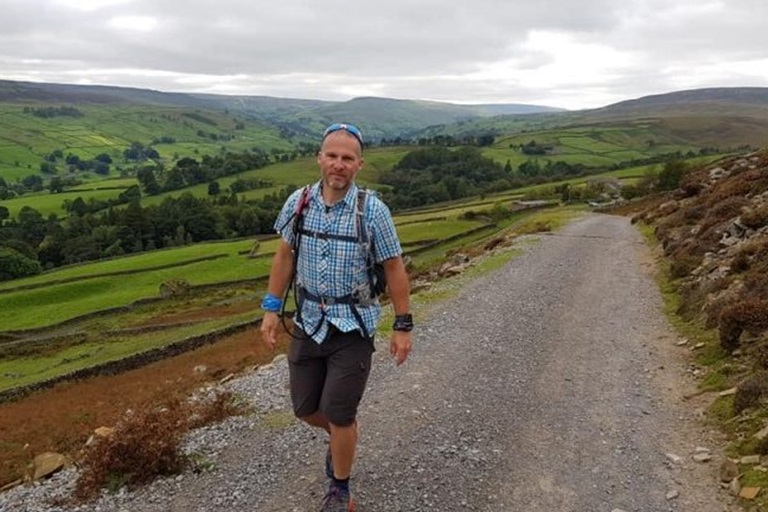
Coast to Coast Walk for Beginners: Tips for First-Time Hikers
Embarking on Alfred Wainwright’s Coast to Coast Walk is a bucket-list adventure for many, but if you’re a first-time hiker, you might be wondering where to start. Spanning 193 miles from the Irish Sea to the North Sea, this iconic route offers dramatic landscapes, rich history, and a sense of accomplishment like no other. Whether you’re planning to take it on in one go or break it up into manageable sections, preparing for the journey is key. In this guide, we’ll walk you through everything you need to know – from selecting the right itinerary to packing light and staying safe – ensuring you’re ready to make the most of this unforgettable adventure. Understanding the Coast to Coast Walk The Coast to Coast Walk is more than just a journey across England, it’s a chance to immerse yourself in some of the country’s most breathtaking and varied landscapes. Devised in 1972 by legendary fell walker and guidebook writer Alfred Wainwright, the 193 mile route stretches from the Irish Sea at St Bees to the North Sea at Robin Hood’s Bay. This iconic walk has earned a reputation as one of the world’s most rewarding long-distance trails, attracting hikers from far…
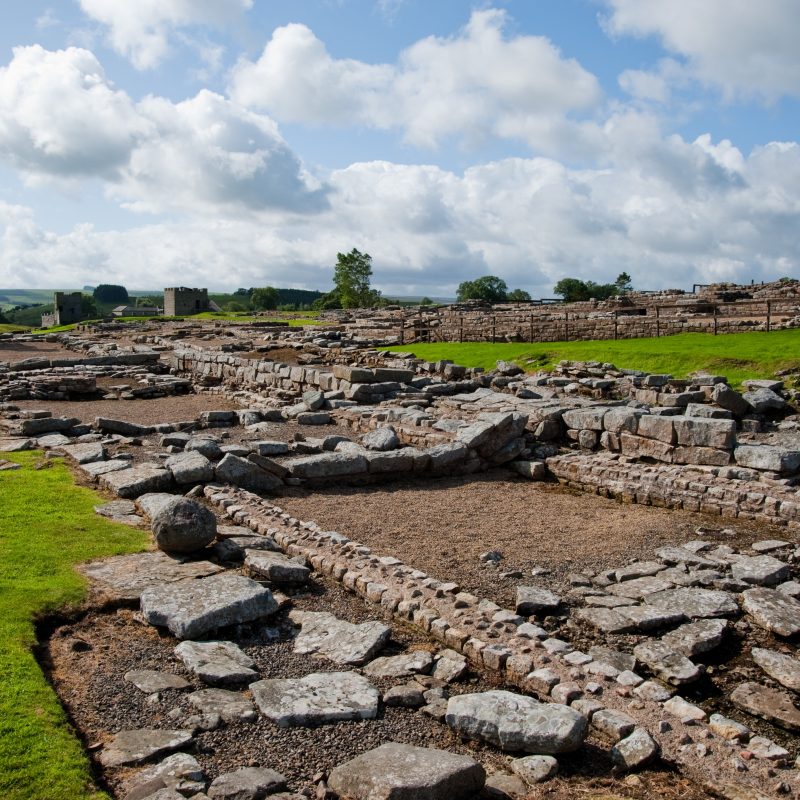
Top 7 Roman Ruins along Hadrian’s Wall Walk
Step back in time and explore the fascinating remnants of the Roman Empire along Hadrian’s Wall. Stretching across the rugged landscapes of northern England, this UNESCO World Heritage Site is home to some of the best-preserved Roman ruins in the UK. Whether you’re a history enthusiast, a lover of ancient architecture, or simply seeking to walk in the footsteps of Roman soldiers, Hadrian’s Wall offers a unique glimpse into life on the empire’s northern frontier. From well-preserved forts and temples to mysterious religious sites, each ruin along the Wall tells a story of military strategy, daily life, and spiritual beliefs. Join us as we uncover the top seven Roman ruins you won’t want to miss on your Hadrian’s Wall holiday. Segedunum Roman Fort Located at Wallsend, the eastern terminus of Hadrian’s Wall, Segedunum Roman Fort marks the starting point of this iconic structure, providing a striking contrast to the remote outposts further along the wall. Founded around AD 122, Segedunum was one of the largest and most significant forts in Roman Britain, housing a garrison of around 600 men tasked with defending the north eastern frontier. Its strategic position at the mouth of the River Tyne made it a key…
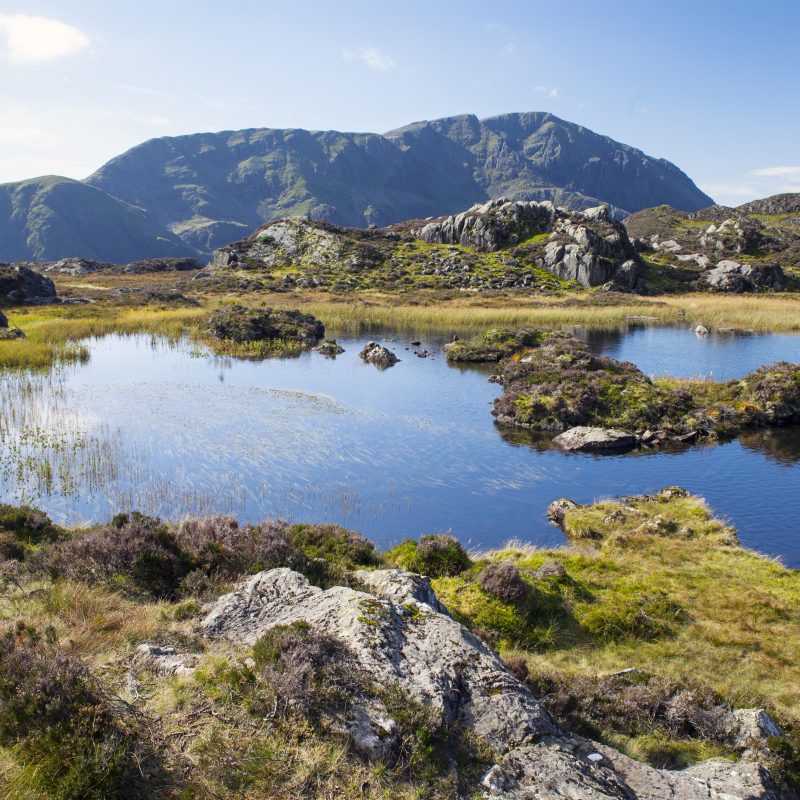
Top 10 Highlights of Alfred Wainwright’s Coast to Coast Walk
Alfred Wainwright’s Coast to Coast walk is a perennial favourite with Mickledore walkers. The route runs for approximately 192 miles, from the sea cliffs of St Bees on the Irish Sea, to the fishing village of Robin Hood’s Bay on the North Sea. It’s a superb walk that will take you through three national parks and over a real cross-section of England’s most dramatic landscapes. On your journey you’ll walk among the highest fells, alongside the largest lakes, through delightful woodland and over windswept moors. To help whet your appetite, we’ve compiled our top 10 highlights of this classic long distance trail. St Bees The first highlight of Alfred Wainwright’s Coast to Coast walk comes right at the beginning. As the starting point for this iconic long-distance trail, St Bees provides an awe-inspiring introduction to the journey. Primarily due to its splendid coastal setting on the Irish Sea. The rugged coastline, combined with the tranquil ambiance of this charming village, never fails to impress. Many walkers choose to dip their boots in the Irish Sea before setting off. The dramatic cliff walk over St Bees Head offers breathtaking panoramic views across the sea to the Isle of Man and Scotland….
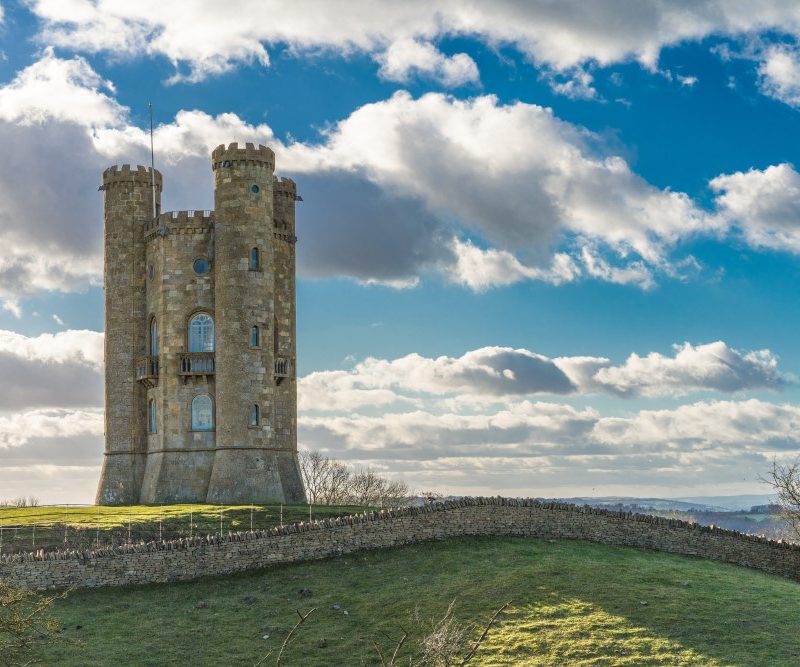
Why you should walk the Cotswold Way
The Cotswold Way is a charming and much cherished long-distance trail stretching 102 miles from the market town of Chipping Campden in Gloucestershire to the historic city of Bath in Somerset. Walking the Cotswold Way is a truly rewarding experience for those who appreciate the combination of history, heritage, and beautiful landscapes on their travels. Here we take a closer look at why we think you should consider this amazing trail as your next great adventure. The Cotswolds Area of Outstanding Natural Beauty (AONB) is characterised by its gently rolling hills, picturesque villages, and lush green patchwork fields. On your journey you’ll find yourself immersed in the natural beauty of the English countryside as you head through ancient woodlands, flower filled meadows, and along the Cotswold escarpment. Day after day, this delightful trail serves up enchanting landscapes that seem straight out of a storybook. The golden-hued stone walls and idyllic thatched cottages add to the quintessential charm. This is a place where time appears to slow down, allowing you to savour the beauty and tranquility of this unspoiled countryside. As you make your way along, you’ll pass through attractive Cotswold towns and villages such as Chipping Campden, Winchcombe, Painswick, and…
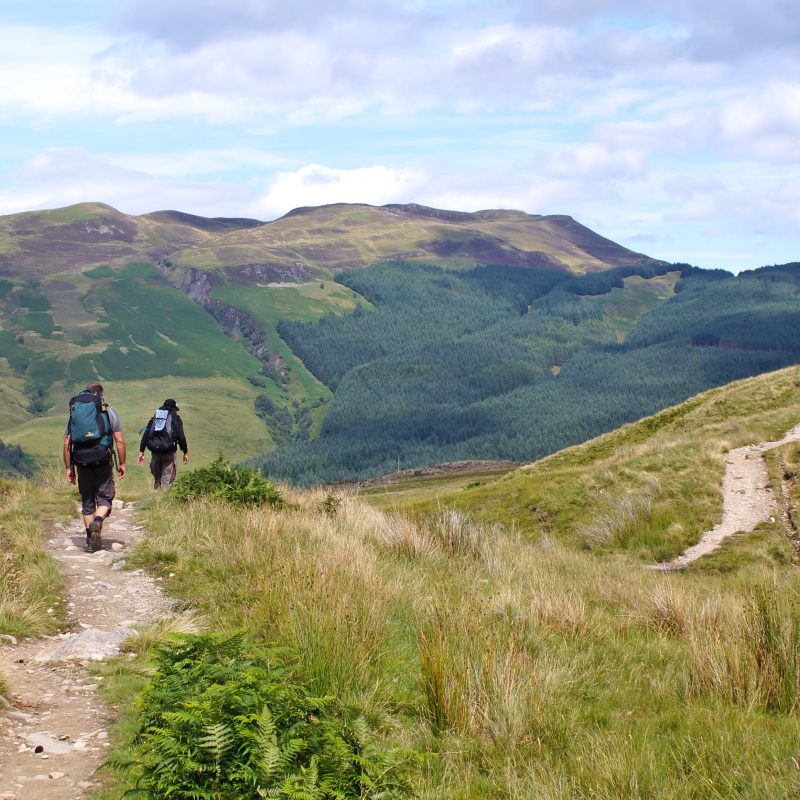
Preparing to walk the West Highland Way
Few walks capture the imagination quite like Scotland’s first designated long-distance trail, the West Highland Way. The 95 mile route from Milngavie near Glasgow to Fort William in the Highlands offers tremendous variety. You’ll journey alongside picturesque Loch Lomond, over the remote but beautiful Rannoch Moor and enjoy dramatic mountain scenery culminating in views of Ben Nevis, the highest mountain in Britain. Walking the West Highland Way is an incredibly rewarding and truly memorable experience, but it’s essential to prepare thoroughly to ensure your comfort, safety and ultimately, overall enjoyment. Here’s our handy guide to help you get ready for your highland adventure, following in the footsteps of drovers, pilgrims and clansmen. Fitness and Training The West Highland Way is 95 miles long and includes a variety of terrain, from flat paths to steep ascents. We offer the full route from 6 to 9 days, resulting in daily averages of 11 miles on our longest itinerary, through to 16 miles on our shortest itinerary. There are even some days on our shorter itineraries where you’ll be walking 19 or 20 miles. If you’re new to long distance walking, it’s advisable to build your cardiovascular endurance. Begin by increasing the frequency…
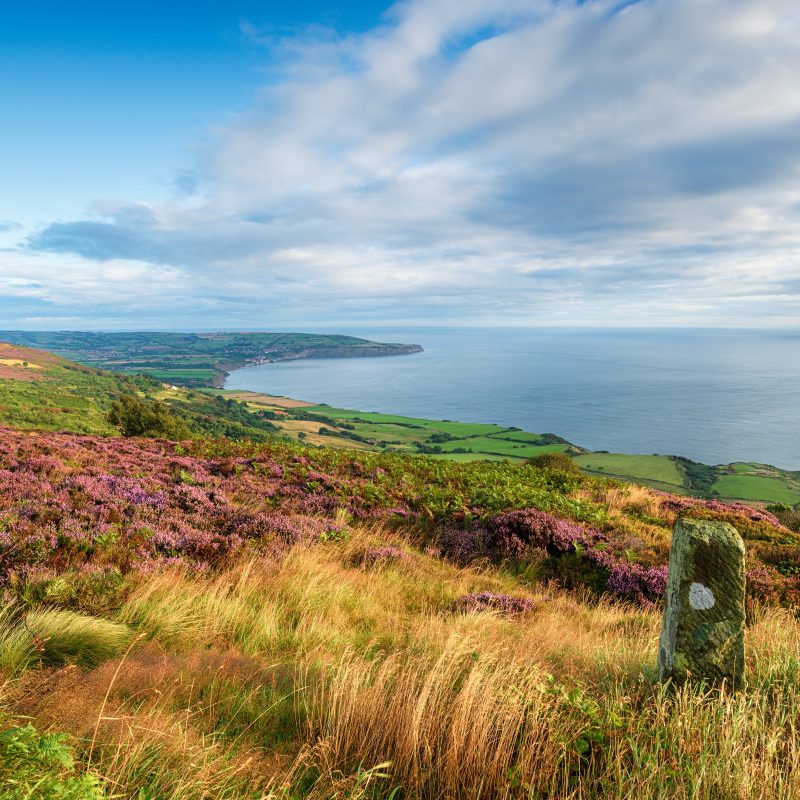
Landmark Locations on the Cleveland Way
The Cleveland Way National Trail is an enthralling long-distance walk that travels through the breathtaking landscapes of the North York Moors and along the rugged Yorkshire coastline. The 109 mile route offers an enchanting blend of natural wonders, historical landmarks, and coastal charm. Walkers on the Cleveland Way can explore medieval castles, magnificent abbeys, dramatic cliffs, and picturesque fishing villages. The trail’s diversity, including tranquil moorland expanses and dramatic coastal panoramas, offers an outstanding adventure for those seeking a connection to both nature and history. Let’s take a look at some of the landmark locations you’ll experience on your journey. Helmsley Castle The Cleveland Way begins in the charming market town of Helmsley. Here, you can explore the historic Helmsley Castle. This 12th-century fortress boasts a rich history, playing a role in the English Civil War. Its impressive walls and towers provide visitors with a fascinating insight to medieval life and architecture. The site also features a beautiful walled garden filled with a fabulous variety of plants and flowers. Helmsley Castle is a fantastic starting point for your journey along the Cleveland Way, allowing you to step back in time and appreciate the architectural and historical heritage of this magnificent…