

Exploring the North Cornwall Coast: From Hartland Quay to Port Isaac
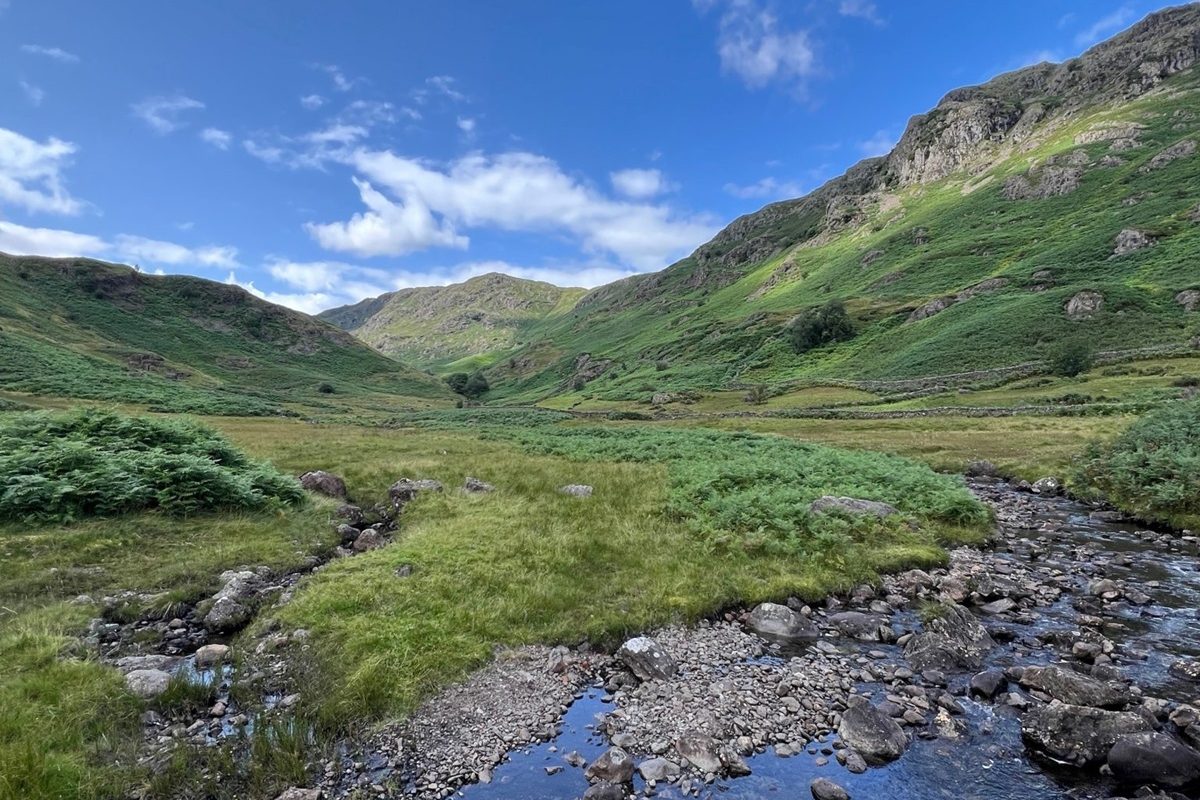
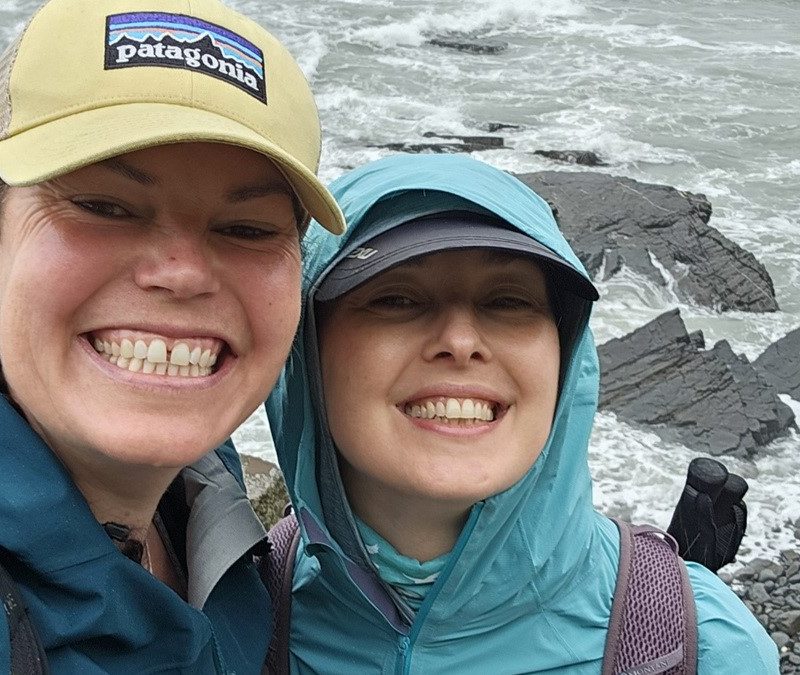
This summer, my close friend Hana and I walked the South West Coast Path from Hartland Quay to Port Isaac. Although I have been holidaying in Cornwall since I was a small child and have never lost my appreciation for its contrasting rolling hills, sheer-sided cliffs, hidden coves, and sweeping sandy beaches, I had never explored this particular stretch of the North Cornwall coastline. I couldn’t wait to discover what lay ahead. Hana has spent the last few years recovering from long COVID, so a week of walking would be the ultimate test of her progress. Knowing this section of the coast path has a reputation as one of the most challenging, and with my own tendency to stray from the route in search of interesting things to see, we chose the longest itinerary with the shortest daily mileages. It gave us plenty of time to enjoy each day at our own pace, and that proved to be a wise decision. After a long drive down from the Lake District, we felt rewarded simply by arriving in Hartland Quay. Not knowing the area, we were blown away by just how striking the spot was. It featured an excess of spectacularly…
Seven Days on the North Devon Coast
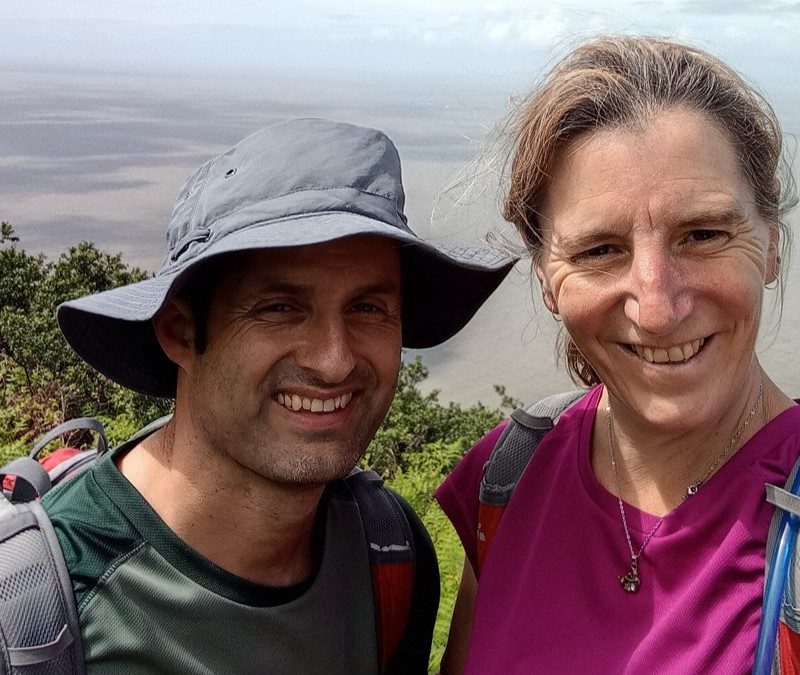
This year, for my familiarisation trip with Mickledore, we decided to tackle the very first section of the South West Coast Path. Having fallen in love with Exmoor on last year’s Two Moors Way trip, and being a huge fan of coastal walking, this was a wonderful opportunity to combine both while getting to know the route, and meet some of the amazing accommodation and service providers that help make our walking holidays so special. Stretching 88 miles from Minehead to Westward Ho!, the North Devon section of the South West Coast Path brings together wild moorland and towering cliffs, secret coves and stunning beaches. I was brought up listening to Mark Wallington’s 500 Mile Walkies, so I was eager to follow in the footsteps (or pawprints) of Boogie as he chased his endless plastic bags! Getting to Minehead all the way from Cumbria was remarkably easy, using a combination of trains and buses, my husband Matt and I found ourselves dipping our toes in the sea by early afternoon. This gave us plenty of time to find the official start of the trail for the following morning, avoid the urban sprawl of Butlin’s, and instead while away the afternoon…
My Top 7 Highlights on the Isle of Wight
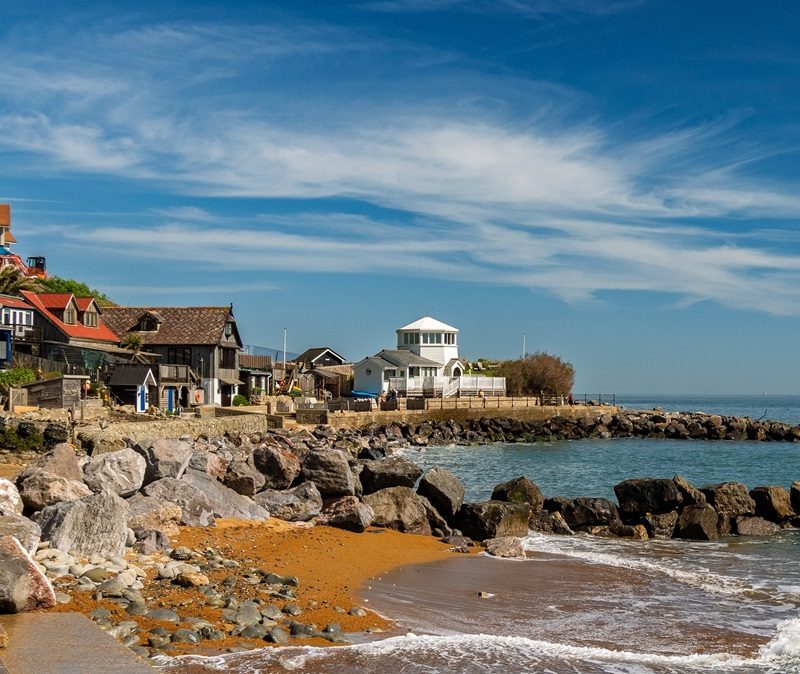
I have visited the Isle of Wight over 30 times in the last 40 years, so I like to think I know it fairly well. Summer holidays as a child were spent paddling in the shallow calm waters of Sandown bay, while as an adult I have enjoyed chasing sunsets on the beaches of West Wight, as well as dancing to the Rolling Stones in a dusty field at the annual Isle of Wight music festival. But it was only back in 2019, when I first walked the coastal path around the entire island, that I fully realised just how much more I had to discover on this compact diamond in the sea. These are my top seven highlights. 1. The food! The island has its own micro climate, boasting more hours of sunlight than most of the UK. So not only do you stand a good chance of keeping your waterproofs in your bag, but the extra warmth ensures perfect growing conditions for some fabulous local produce. Isle of Wight tomatoes, grown in old glasshouses at the Tomato Stall, are widely known as being incredibly sweet and juicy, recommended by chefs and sold across the UK. Meanwhile at the…
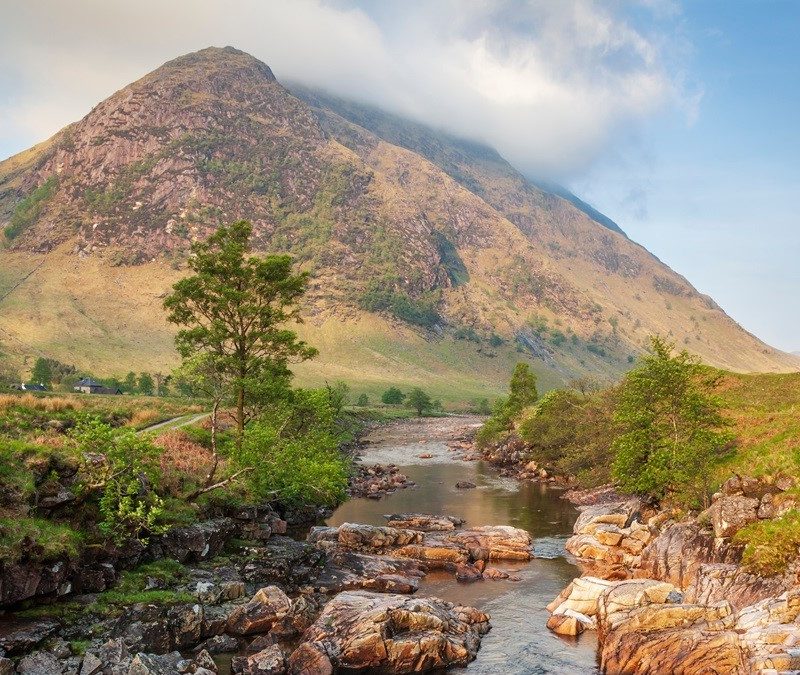
Walking Holidays in Scotland – Big Landscapes, Quiet Corners and Coastal Paths
Scotland has an almost magnetic pull for walkers. Few places offer such a striking sense of space and contrast: quiet lowland farmland and coastal paths sit just hours from vast Highland glens; Roman roads and medieval abbeys lie under the same skies as some of Britain’s most dramatic mountains. At Mickledore, we’ve spent decades helping walkers explore Scotland on foot, and time and again we’ve seen just how rewarding this landscape can be. It’s a place that reveals itself slowly and generously, with each day adding another layer of scenery, history and atmosphere. From gentle, characterful routes to more dramatic long-distance trails, Scotland lends itself particularly well to self-guided walking holidays, offering the freedom to walk at your own pace, with everything carefully arranged behind the scenes. As a Scot myself, I take an immense pleasure from seeing our walkers enjoying my homeland. Three Distinct Regions, One Remarkable Country Broadly speaking, Scotland’s walking routes fall naturally into three regions: the rugged Highlands, the rolling hills of the Southern Uplands, and the often-overlooked Central Belt. Each offers a different perspective, and together they create one of the most varied walking destinations in Britain. The Highlands – Iconic Trails and Expansive Views…

How Self-Guided Walking Holidays Work – and Why They’re So Enjoyable
At first glance, the idea of a self-guided walking holiday can seem a little contradictory. Organised, yet independent? Structured, yet flexible? In practice, that balance is exactly what makes it work, and why so many of our walkers come back for more. At Mickledore, we’ve spent almost 30 years creating and supporting self-guided walking holidays across Britain and beyond. In that time, we’ve seen just how well this style of travel works – combining the freedom to walk at your own pace with the reassurance that everything behind the scenes has been carefully taken care of. It’s your journey. We simply make it easier. Walk at Your Own Pace, On Your Own Terms One of the biggest draws of a self-guided holiday is the freedom it offers. There’s no group to keep up with, no set departure date to squeeze into, and no guide deciding when it’s time to move on. You choose who you travel with, when you go, and how each day unfolds. Some mornings begin early, with quiet paths and soft light. Others start more slowly, with a second cup of coffee and further reading of your guidebook before heading out. Along the way, you might pause…
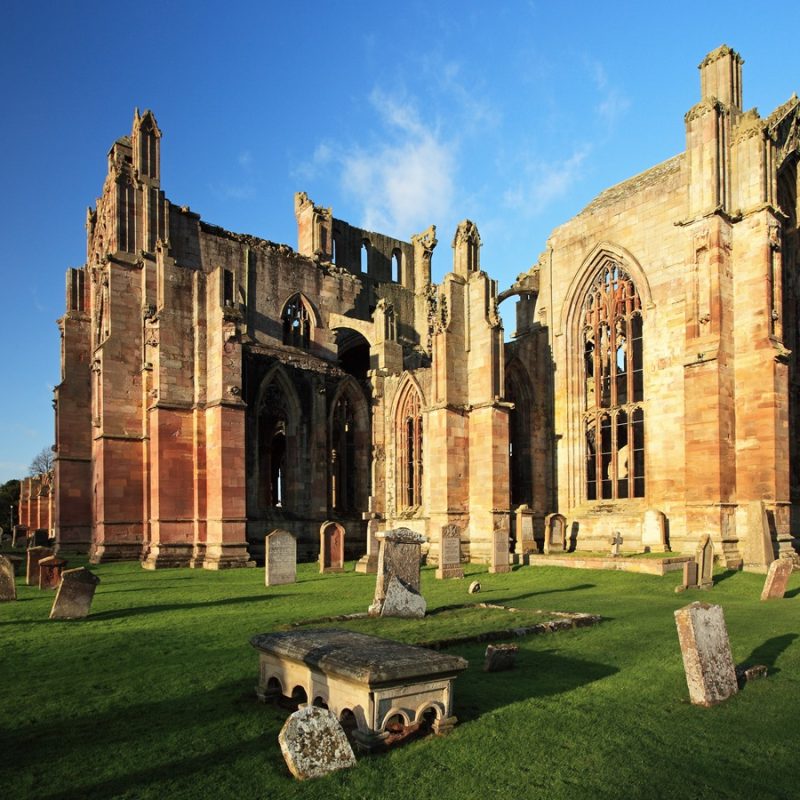
Walking Through Time: A Guide to Britain’s Most Historic Trails
At Mickledore, we’ve spent decades helping curious walkers explore Britain on foot, and time and again we’ve seen how the right path can offer far more than a good day’s walking. The most memorable routes don’t just lead you through beautiful landscapes, they deepen your understanding of them, revealing the stories, people and events that shaped what you see around you. Britain’s landscape is, in many ways, a living map, etched with the footprints of Roman legionnaires, medieval monks, and prehistoric traders. With a little context, a stretch of hillside becomes a frontier, a quiet valley a place of pilgrimage, and a line of weathered stones a link to lives lived thousands of years ago. Choose the right trail, and you’re not simply crossing a county, you’re moving through time. Here is a selection of some of the finest historic routes in the country, where the path beneath you tells a story thousands of years in the making. The Legends of the North: From Outlaws to Apostles Rob Roy Way In the heart of Scotland, the Rob Roy Way offers a rugged journey through the Trossachs. This isn’t just a scenic hike; it’s an exploration of the life of the…
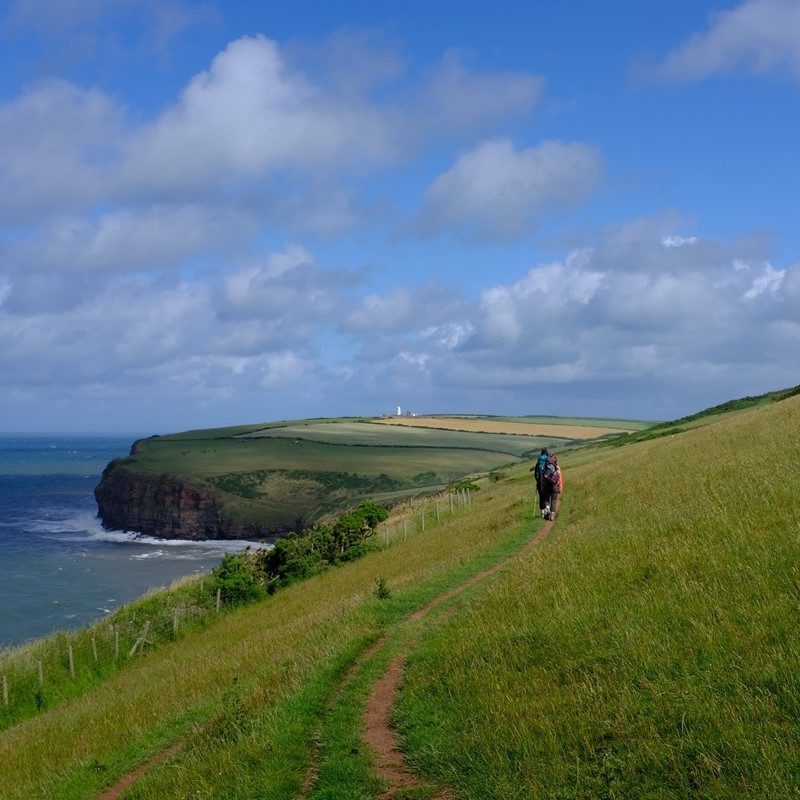
The Coast to Coast Path: England’s Newest National Trail
With decades of experience supporting walkers on England’s long-distance trails, we at Mickledore have a deep, personal connection to the Coast to Coast Path. We’ve seen this route grow from what was simply a suggested route into its new official National Trail status. Some walks arrive fully formed. Others take shape more gradually, built over time through the experiences of those who follow them. The Coast to Coast Path has always belonged to the latter. First imagined by Alfred Wainwright in 1972, and published as a handwritten guide – A Coast to Coast Walk – the following year, it was never intended to be an official trail. There were no signposts, no single agreed line on the map, and, in places, not even a formal right of way. Instead, it was a personal vision – an unbroken journey across the width of northern England, from the Irish Sea to the North Sea. More than fifty years on, that vision has now been formally recognised. As of today, 26 March 2026, the Coast to Coast Path is officially England’s newest National Trail. A Legacy Shaped by Countless Footsteps It’s a significant moment, but one that feels entirely in keeping with the…
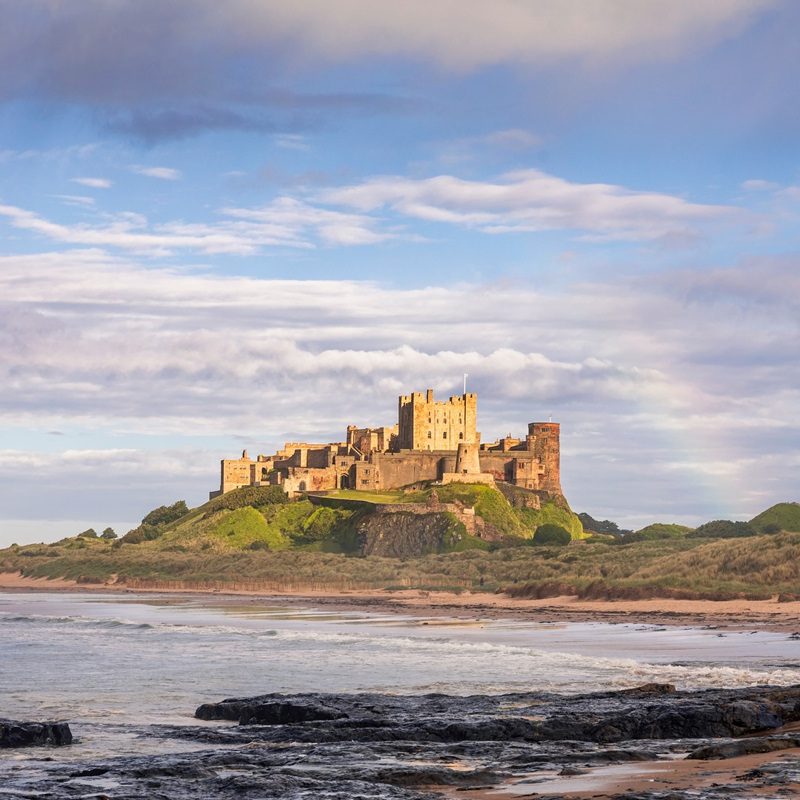
Exploring the King Charles III England Coast Path
England’s coastline is quietly compelling, don’t you think? Not in a dramatic, headline-grabbing sense, but in its sheer variety. Wide estuaries that open and close with the tide. Low, shifting marshes. Long sandy bays that seem to stretch on indefinitely. And, in places, cliffs that rise abruptly from the sea, weathered and reshaped with each passing year. For generations, walking the coast has meant dipping in and out of it. A stretch here, a favourite section there. Beautiful in isolation, but rarely connected into something larger. That has now changed. Last week, King Charles III formally inaugurated the King Charles III England Coast Path – a continuous walking route tracing the entire shoreline of England. At almost 2,700 miles, it is the longest managed coastal walking route in the world, but its significance lies less in its length and more in what it makes possible. For the first time, it allows you to reach the sea almost anywhere in England, turn left or right, and simply keep walking. A Path Twenty Years in the Making The path itself is not entirely new. Much of it follows well-established trails and familiar coastal routes, but over the past two decades these have…
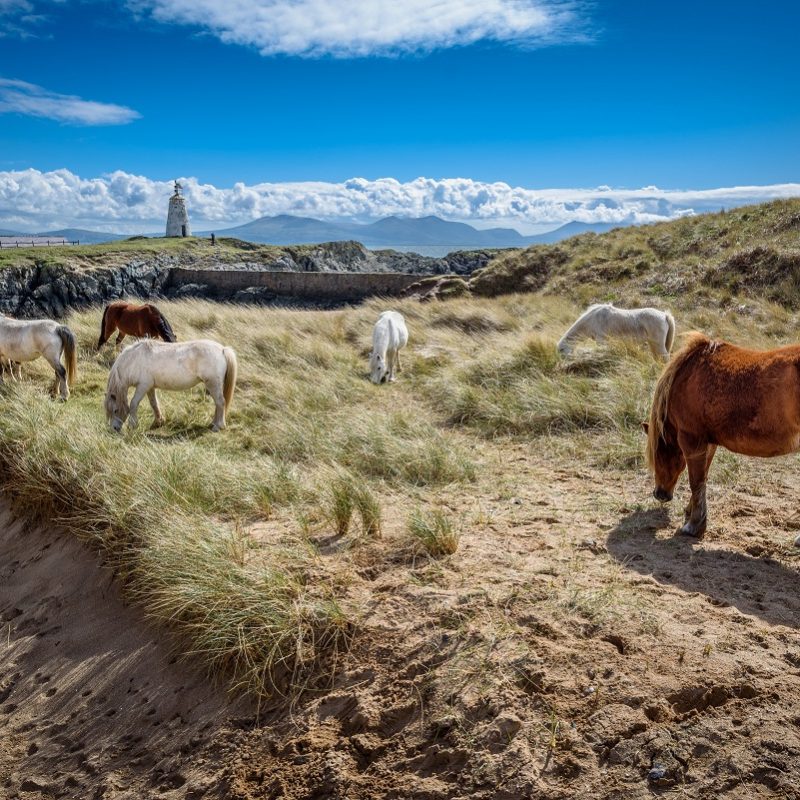
An Introduction to the Isle of Anglesey Coastal Path
One of the real pleasures of island walking is the sense of completeness it offers. Set out along the coast, follow the shoreline as it twists and turns, and in time the path brings you back to where you began – the whole landscape gradually revealed along the way. Few places capture that feeling quite as beautifully as the Isle of Anglesey, set just off the north coast of Wales. Separated from the mainland by the narrow waters of the Menai Strait, yet linked by the graceful span of the Menai Suspension Bridge, the island has long held a distinctive place in Welsh landscape and culture. Despite its modest size, Anglesey reveals an extraordinary variety of scenery, much of it best discovered on foot. Encircling the entire island is the Isle of Anglesey Coastal Path, a magnificent 133 mile trail that traces every curve and contour of the coast. Wide sandy bays give way to rugged cliffs, quiet estuaries open out into sweeping sea views, and small harbours appear in sheltered corners. This is island walking at its finest! A Coastline of Constant Discovery What makes the walk particularly rewarding is the way the landscape shifts gradually as you move…
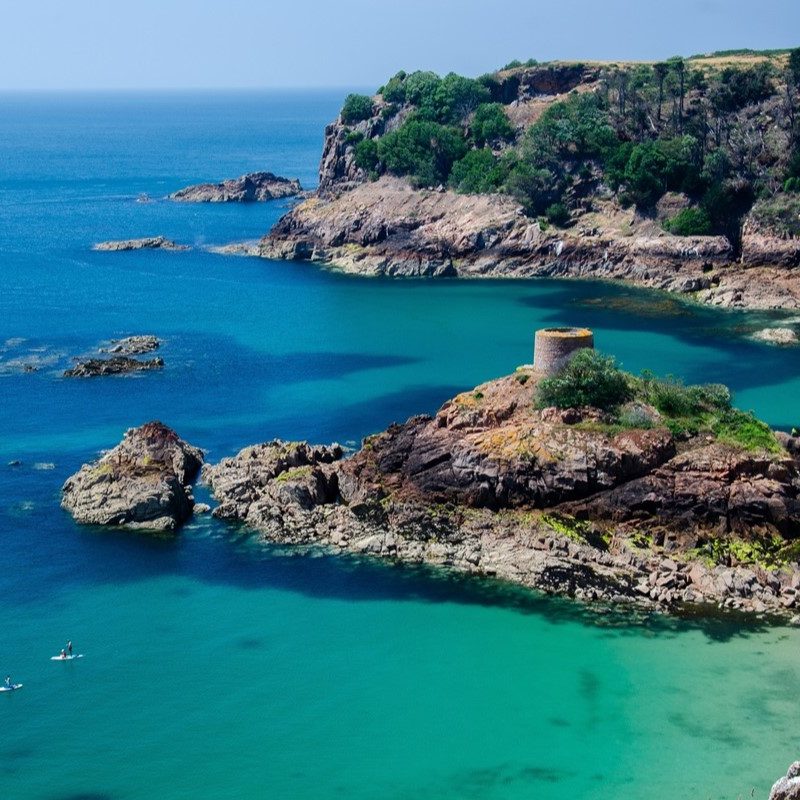
Discover the Channel Islands
There’s something really quite special about island walking isn’t there. Naturally, the sea is never far away, and neither is the sense of being slightly apart from the world beyond the horizon. On the Channel Islands, land and water sit in constant conversation. Cliffs fall into wide bays, harbours open onto long coastal paths, and even the most inland lanes seem to carry a hint of salt in the air. Walking here feels, somehow, both contained and expansive at the same time. Set in the Gulf of Saint-Malo, just off the Normandy coast, Guernsey and Jersey occupy a unique place in the British Isles. Their position gives them a gentler climate, a long walking season that often stretches well into autumn, and a character shaped as much by the sea as by the land itself. For walkers, that translates into days framed by changing light, open horizons and a steady rhythm of headlands, beaches and sheltered bays. What also defines walking here is the closeness of everything. Villages, harbours and cafés sit naturally along the trail, breaking long coastal days into a succession of rewarding pauses. Wildlife is a constant presence, with seabirds riding the wind along the cliffs and…
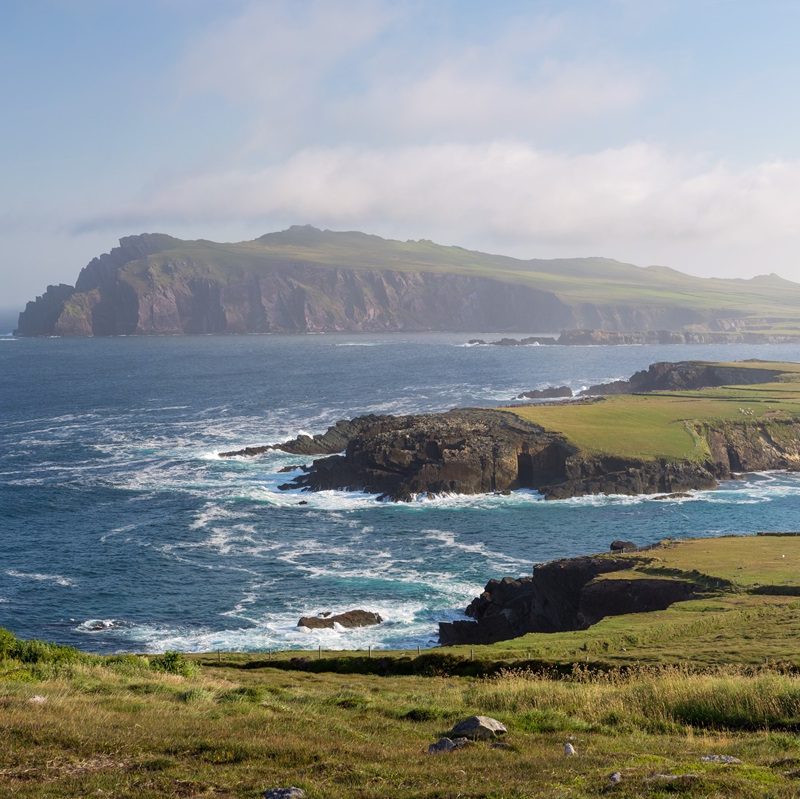
Walking in Ireland: Discover the Dingle Way and Kerry Way
There’s something quietly compelling about walking in Ireland. Not in a grand, trumpet-blowing sort of way, but in how the landscape reveals itself slowly, day by day. The land feels lived in rather than landscaped: countryside shaped by weather rather than design, lanes that wander because they always have, coastlines that refuse to soften for anyone. Walking here encourages a certain attentiveness – to the light shifting across the Atlantic, to the sound of wind in long grass, to the way villages and farms sit naturally within the terrain rather than apart from it. For walkers, Ireland offers a rare balance. These are routes with real substance – long days, varying conditions underfoot, and weather that deserves respect – but they are softened by warmth and humanity along the way. A day that ends with tired legs often ends too with a friendly welcome, good food, and a sense that walkers are not passing through as curiosities, but are very much part of the rhythm of the place. Nowhere is this truer than along Ireland’s southwest coast, where neighbouring peninsulas push out into the Atlantic and deliver some of the country’s most rewarding long-distance walking. Here, culture, language and landscape…
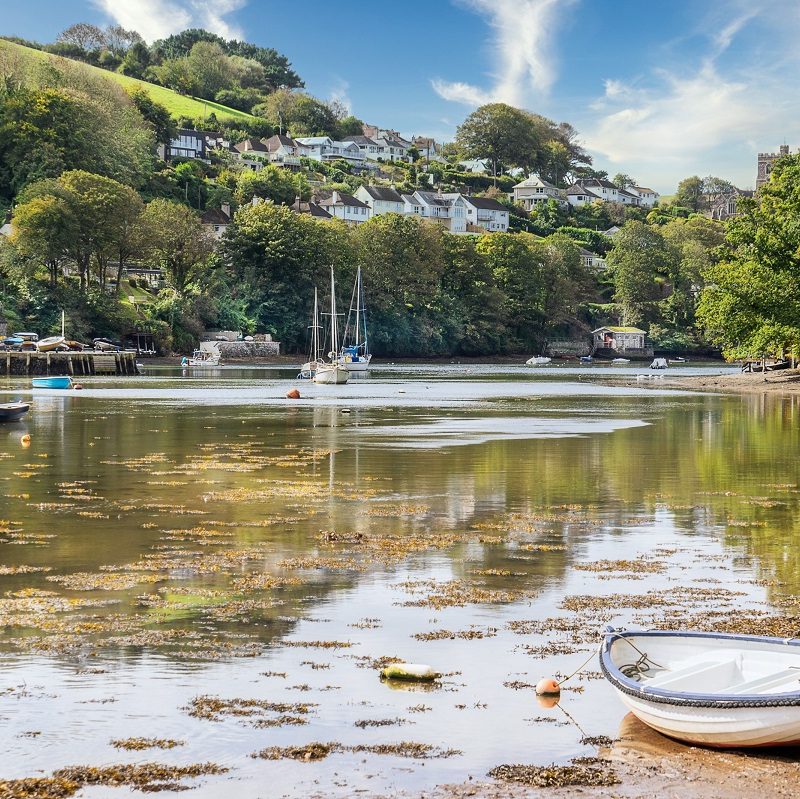
An Introduction to the South Hams Way
When we launched the South Hams Way earlier this year, our aim was simple: to share a remarkable new long-distance walk that captures the full character of South Devon. Since then, we’ve been asked all sorts of questions about what the route is like, how it fits together, and how best to experience it. This introduction brings together the essential details in one place, offering an overview of the landscapes, the people behind the path, and what walkers can expect along the way. What Is the South Hams Way? The South Hams Way is a 102 mile circular long-distance walk through some of Devon’s most varied and rewarding landscapes. Beginning and ending in the historic market town of Totnes, it forms a complete loop through moorland, countryside, coastline and river valley on a journey that showcases the South Hams in all its glory. Rather than following a single type of landscape, the route is defined by contrast. To the north, it reaches into the wide, open uplands of Dartmoor, climbing to airy viewpoints where granite tors, big skies and a sense of space dominate. From there, the trail descends through rolling farmland, gradually drawing walkers south towards the coast and…