
Walking Through Time: A Guide to Britain’s Most Historic Trails
At Mickledore, we’ve spent decades helping curious walkers explore Britain on foot, and time and again we’ve seen how the right path can offer far more than a good day’s walking. The most memorable routes don’t just lead you through beautiful landscapes, they deepen your understanding of them, revealing the stories, people and events that shaped what you see around you.
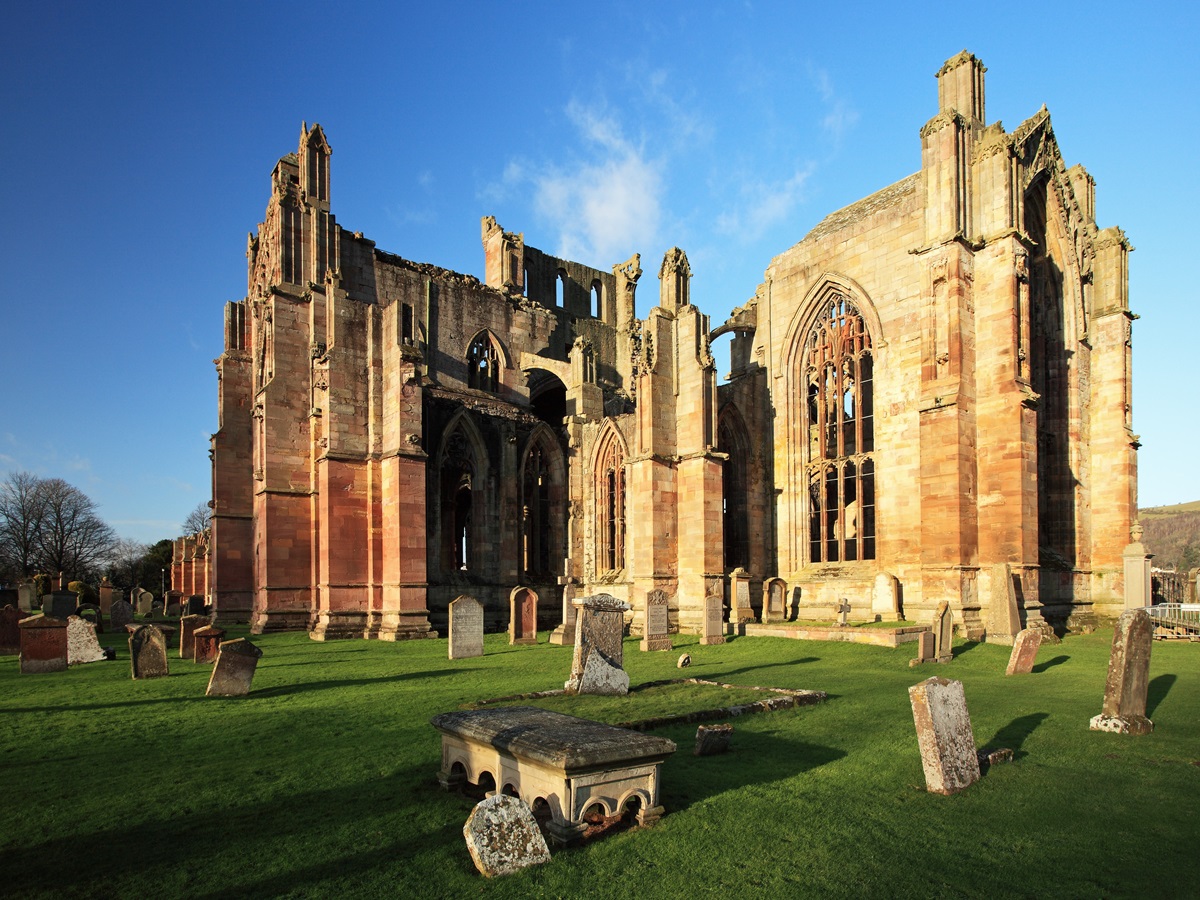
Britain’s landscape is, in many ways, a living map, etched with the footprints of Roman legionnaires, medieval monks, and prehistoric traders. With a little context, a stretch of hillside becomes a frontier, a quiet valley a place of pilgrimage, and a line of weathered stones a link to lives lived thousands of years ago.
Choose the right trail, and you’re not simply crossing a county, you’re moving through time. Here is a selection of some of the finest historic routes in the country, where the path beneath you tells a story thousands of years in the making.
The Legends of the North: From Outlaws to Apostles
Rob Roy Way
In the heart of Scotland, the Rob Roy Way offers a rugged journey through the Trossachs. This isn’t just a scenic hike; it’s an exploration of the life of the legendary outlaw Rob Roy MacGregor. Walking through these glens, you gain a sense of the clan system and the harsh realities of 18th-century Highland life.
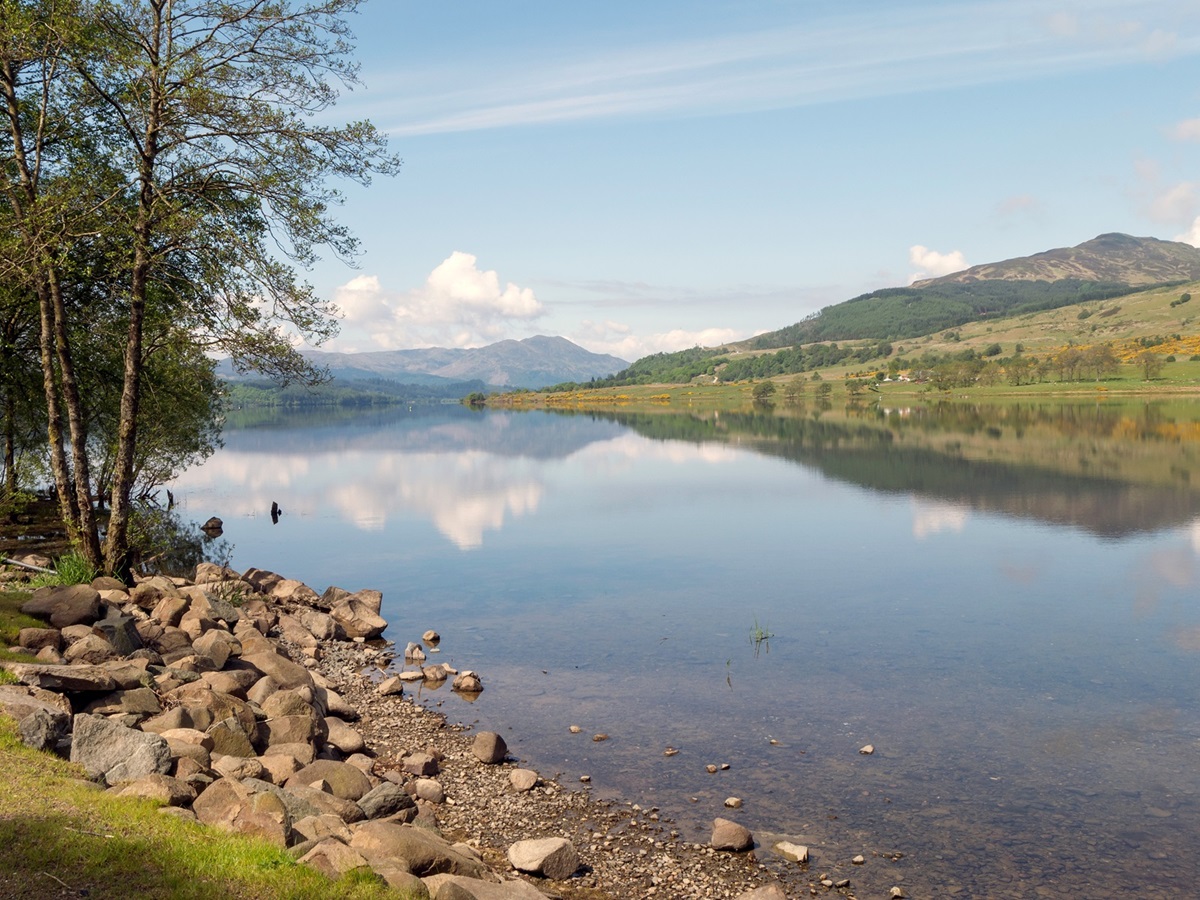
It is a route that perfectly illustrates how geography dictates destiny; the Highland Boundary Fault created a natural fortress of impenetrable glens and hidden lochs, forcing MacGregor into a life of cattle droving and strategic outlawry, where the very crags that protected him also isolated his people from the changing world of the south.
Borders Abbeys Way & St Cuthbert’s Way
For any history enthusiast, Melrose is an essential pilgrimage. I was blessed to live in the shadow of the town’s Eildon Hills for for almost fifteen years. If you follow the Borders Abbeys Way, you’ll encounter the ‘Big Four’ medieval powerhouses: Melrose, Dryburgh, Kelso, and Jedburgh. These ruins are now silent witnesses to the centuries of cross-border conflict that defined the Scottish Borders.
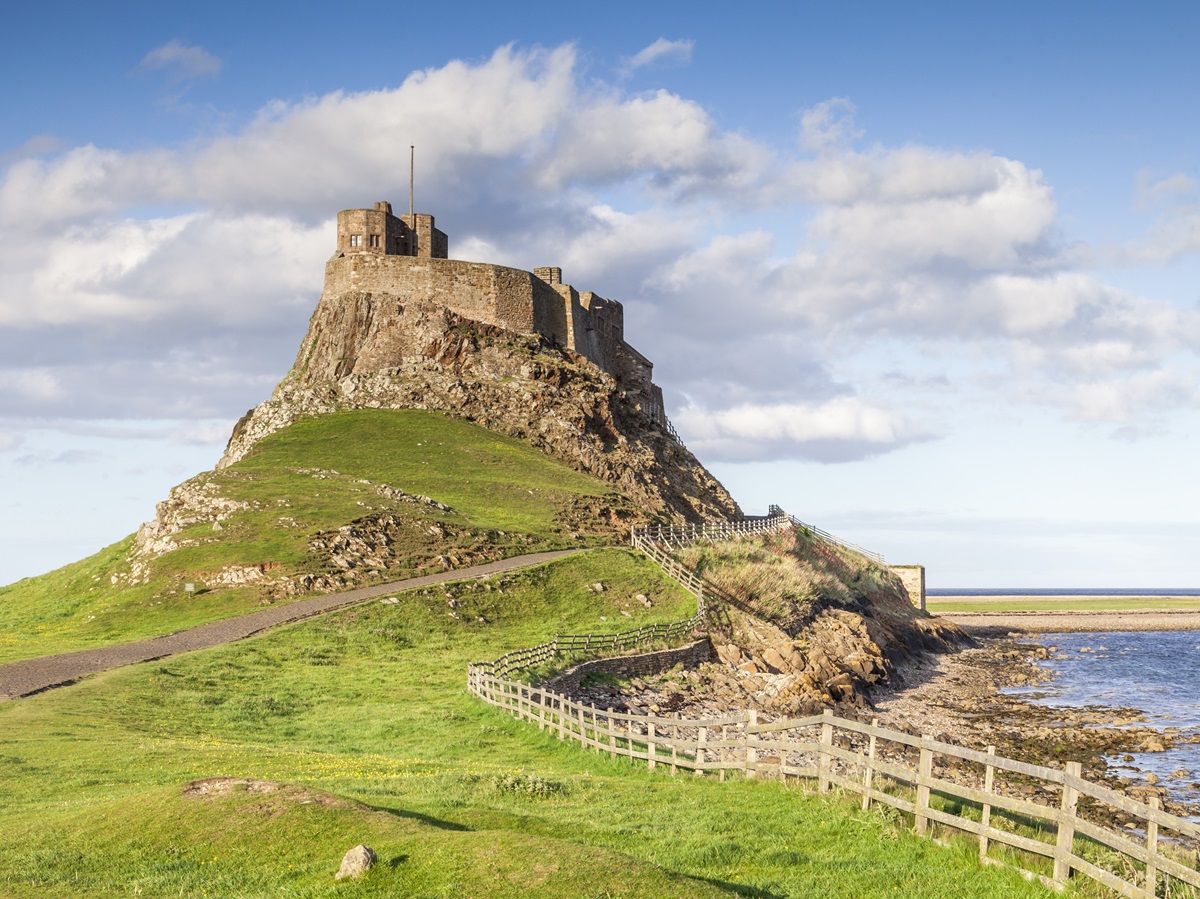
For those seeking a more spiritual connection, St Cuthbert’s Way is unparalleled. Again, beginning at the historic Melrose Abbey, the trail traces the footsteps of the 7th-century saint across rolling hills and quiet farmland before reaching the Northumberland coast. The journey concludes with the famous tidal crossing to the Holy Island of Lindisfarne. Walking across the sands at low tide to reach the ancient priory is, in my opinion, one of the most profound and atmospheric finishes to any walking holiday.
Frontiers and Fortifications
St Oswald’s Way & Northumberland Coast Path
While these two routes share a stunning stretch of coastline, they offer very different perspectives on the region’s heritage. St Oswald’s Way begins on Holy Island and moves south along the coast, weaving together the story of the 7th-century King of Northumbria, before heading inland to meet Hadrian’s Wall at Heavenfield. Along the coast, the sight of Bamburgh Castle rising from the dunes serves as a powerful reminder of Anglo-Saxon might.
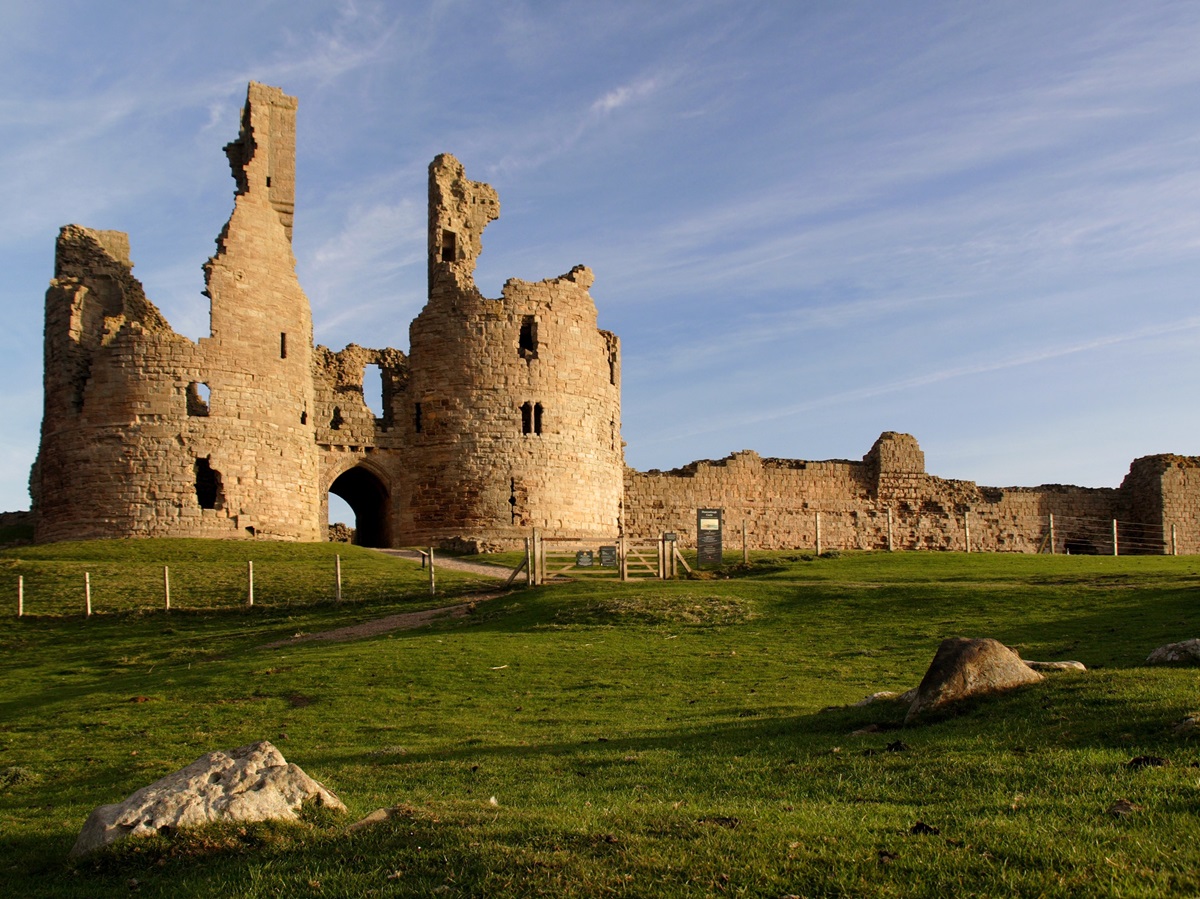
In contrast, the Northumberland Coast Path runs in the opposite direction. Starting in the medieval village of Warkworth, this hugely popular trail guides walkers north through a designated Area of Outstanding Natural Beauty before arriving in the historic frontier town of Berwick-upon-Tweed, a place I have spent many a happy hour. Walking the Elizabethan ramparts in Berwick – the most complete in Northern Europe – you are reminded of a place so strategically vital that it changed hands between England and Scotland thirteen times in just over 300 years, finally becoming part of England for good in 1482.
Hadrian’s Wall Path
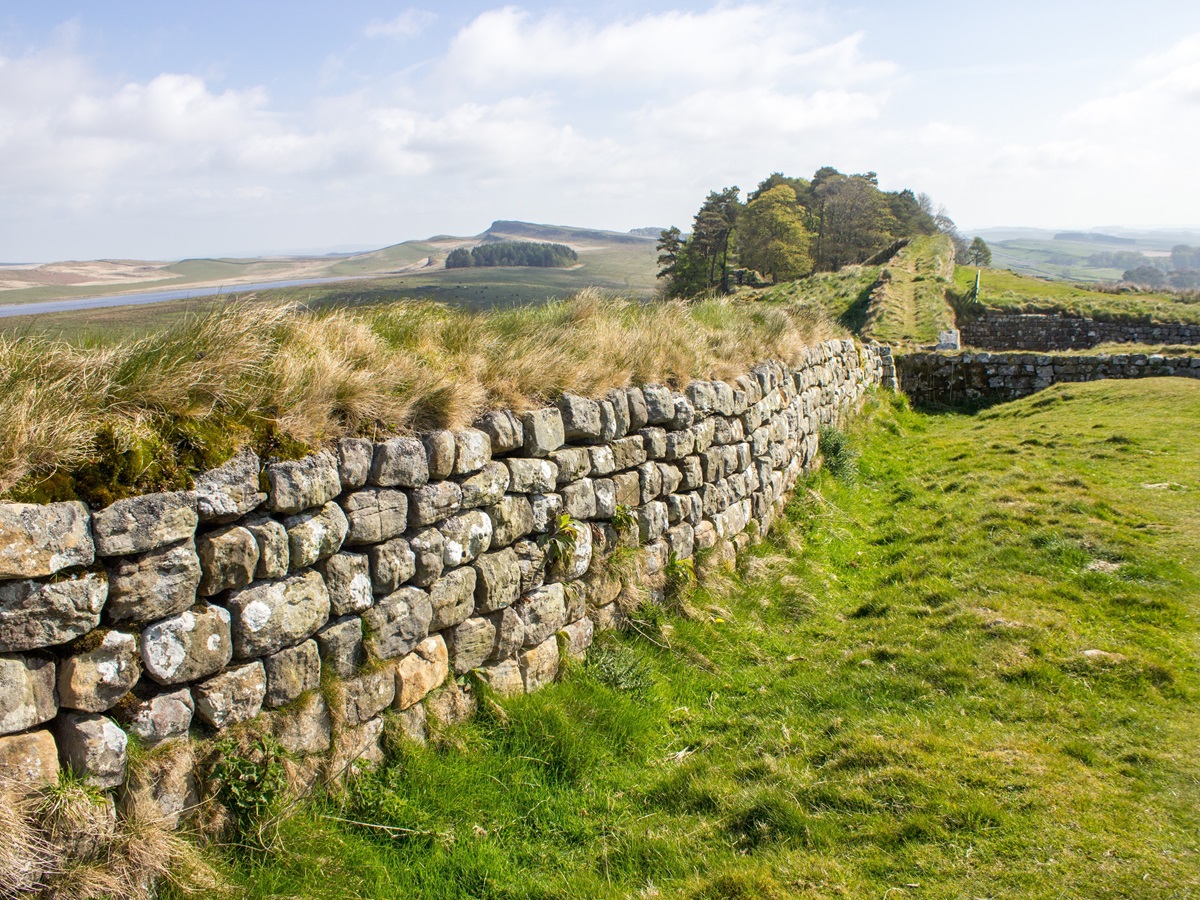
No list of historic walks is complete without the Roman frontier. Hadrian’s Wall Path is a coast-to-coast masterclass in ancient engineering. Following the crags of the Whin Sill, you are walking the northernmost edge of the Roman Empire. The sheer grit required to build these forts and milecastles 2,000 years ago is evident in every stone. Take time to really look around and soak up the atmosphere of this remarkable landscape.
Ancient Arteries of the South
The Ridgeway
Long before the Romans arrived, there was The Ridgeway. Used by Neolithic travellers over 5,000 years ago, this ‘prehistoric motorway’ connects burial mounds, Iron Age hillforts, and the breathtaking stone circle at Avebury.
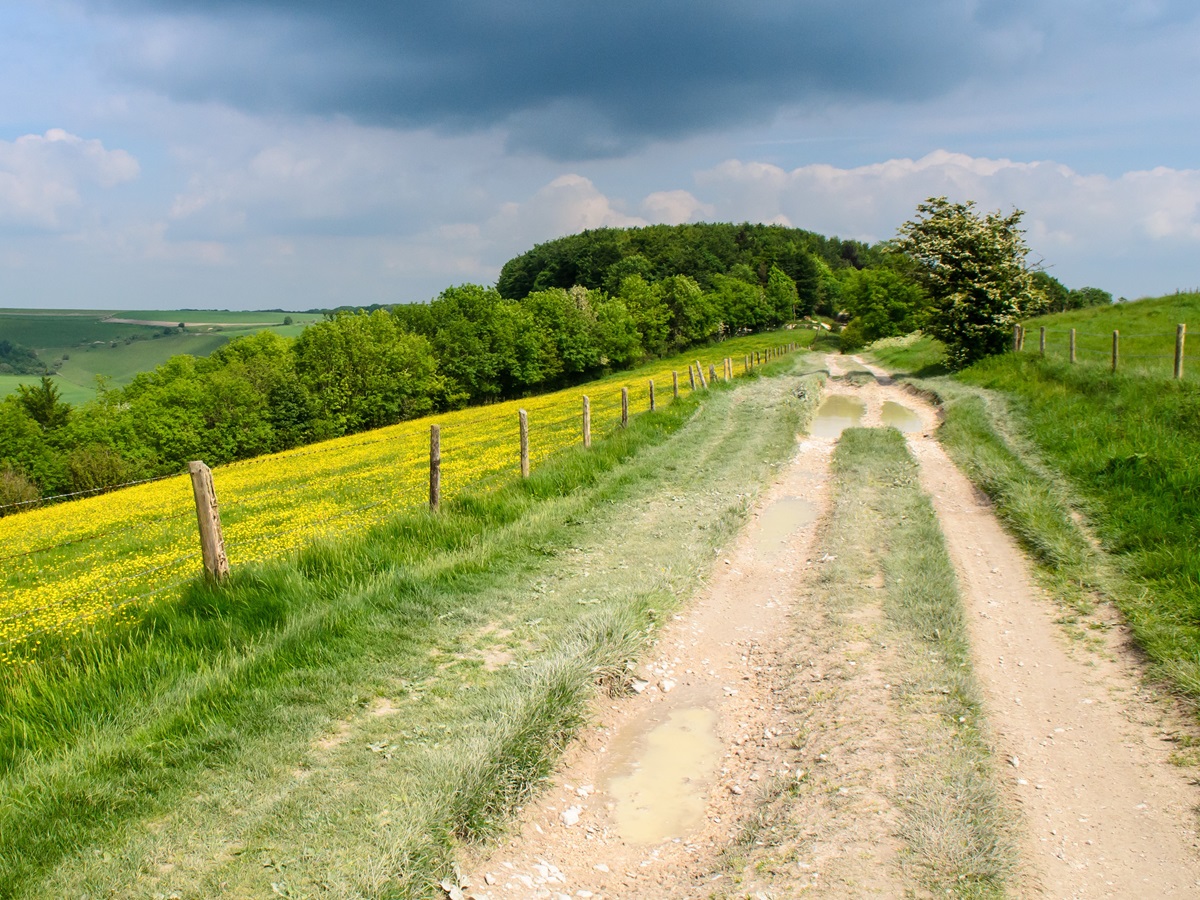
There is a profound sense of continuity here; on your week-long holiday you are walking a path that has been used by humans since the dawn of recorded history.
Peddars Way
In East Anglia, the Peddars Way follows the remarkably straight line of a Roman military road with a precision that only the legions could achieve. Stretching from the Suffolk border to the North Sea, its arrow-straight alignment offers a stark contrast to the winding, organic tracks of the earlier tribes they conquered. Among them were the Iceni, a powerful Celtic tribe who once occupied much of modern-day Norfolk, Suffolk and Cambridgeshire, and who famously rose in rebellion against Roman rule under Queen Boudicca in AD 60–61. However, the history here runs deeper still; much of the route follows even older prehistoric trackways used long before the Roman conquest.
Cotswold Way
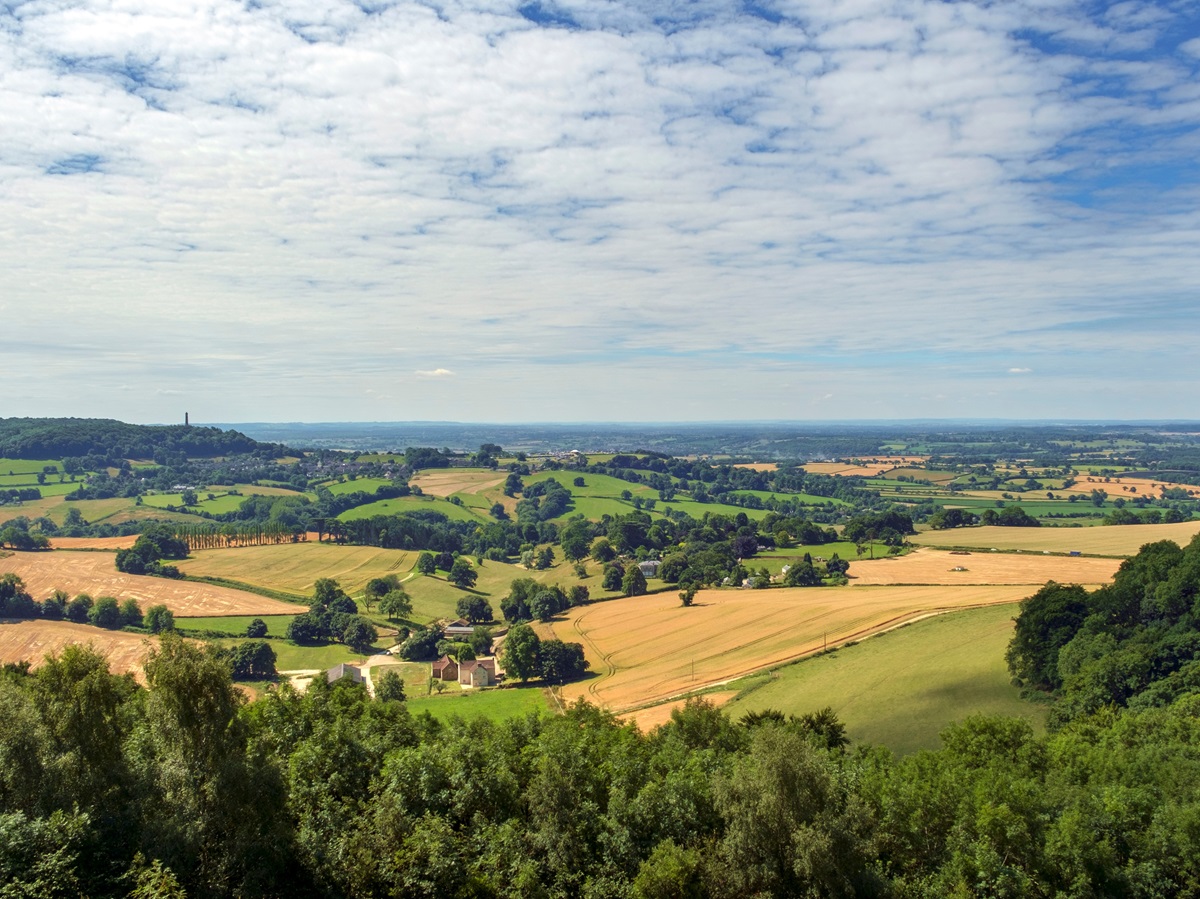
Further west, the Cotswold Way follows the dramatic limestone escarpment of the Cotswold Hills, a landscape that has been a seat of power and wealth for millennia. The trail winds past Neolithic long barrows such as Belas Knap, where our ancestors buried their dead over 5,000 years ago, long before the first stone of a honey-coloured cottage was ever laid.
From the heights of its escarpments, you can see how the legendary wool trade of the Middle Ages transformed this region into the epicentre of English wealth. This prosperity is still visible in the majestic wool churches of towns like Chipping Campden and Northleach, and the grand manor houses paid for by the Cotswold Lion sheep.
Why We Walk the Past
What makes these routes so rewarding is the perspective they offer. Reading about history is one thing, but standing on a ridge where a Bronze Age sentry once kept watch, or following in the footsteps of a pilgrim bound for a distant shrine, brings those stories to life.
Over the years, we’ve seen how these moments, often unexpected and entirely personal, become the ones people remember long after the walk itself. A view that suddenly makes sense. A place name that reveals its meaning. A landscape that feels just a little more alive.
At Mickledore, our role is simply to make those experiences easy to reach. Our self-guided walking holidays are designed to give you the freedom to explore at your own pace, with the reassurance that everything else is taken care of, from carefully chosen accommodation to seamless luggage transfers.
So you can spend less time thinking about the practicalities, and more time enjoying the simple pleasure of walking through a landscape that still has stories to tell.
If you’re ready to set out and explore Britain’s history firsthand, we’re here to help.
Email us at [email protected] or call us on 017687 72335 to begin your journey.
