
An Introduction to the South Hams Way
When we launched the South Hams Way earlier this year, our aim was simple: to share a remarkable new long-distance walk that captures the full character of South Devon. Since then, we’ve been asked all sorts of questions about what the route is like, how it fits together, and how best to experience it. This introduction brings together the essential details in one place, offering an overview of the landscapes, the people behind the path, and what walkers can expect along the way.
What Is the South Hams Way?
The South Hams Way is a 102 mile circular long-distance walk through some of Devon’s most varied and rewarding landscapes. Beginning and ending in the historic market town of Totnes, it forms a complete loop through moorland, countryside, coastline and river valley on a journey that showcases the South Hams in all its glory.
Rather than following a single type of landscape, the route is defined by contrast. To the north, it reaches into the wide, open uplands of Dartmoor, climbing to airy viewpoints where granite tors, big skies and a sense of space dominate. From there, the trail descends through rolling farmland, gradually drawing walkers south towards the coast and the gentler contours of the South Devon countryside.
Along the way, the South Hams Way threads together fifty memorable miles of the South West Coast Path, linking sandy coves, dramatic headlands and lively seaside towns. Five beautiful estuaries shape the journey. Places where the land softens, the walking slows, and boats, birds and tidal waters bring a quieter feel to the day. The route then turns inland once more, following the wooded Dart Valley back to Totnes, closing the circle with a peaceful and picturesque finale.
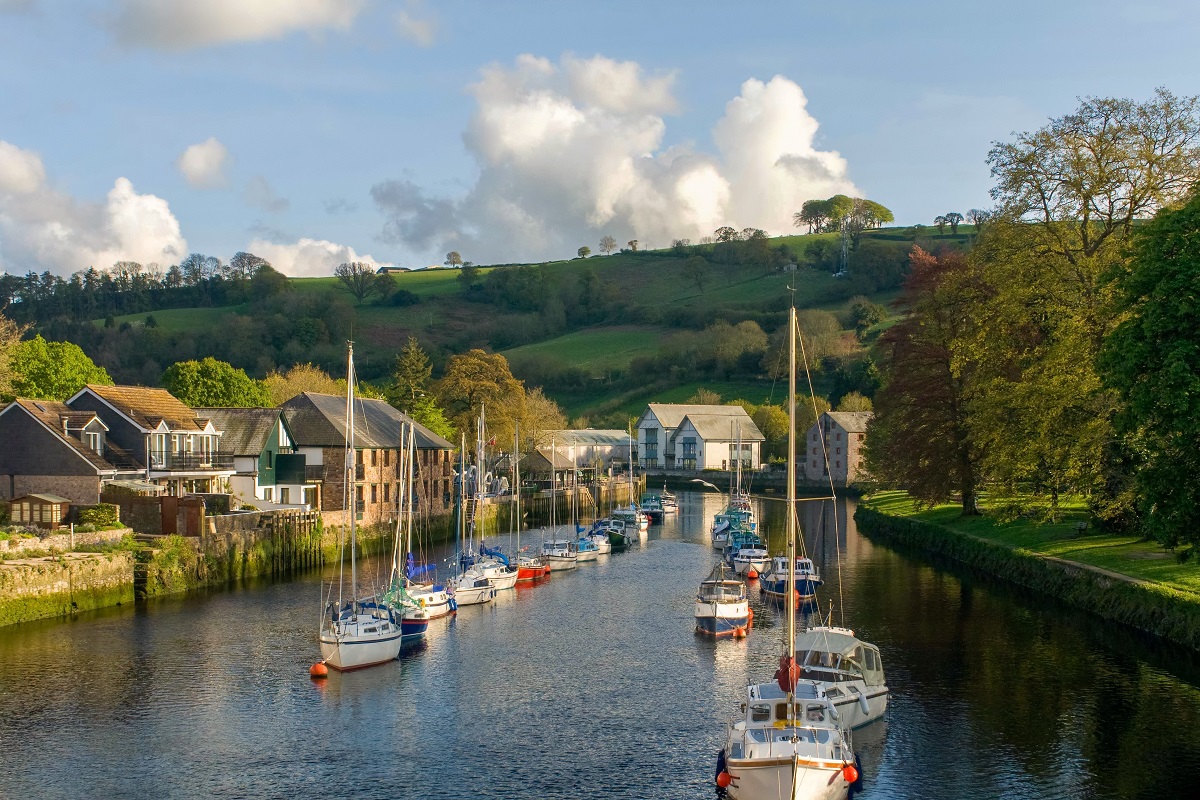
What makes the South Hams Way particularly special is how seamlessly it connects these landscapes. Each section feels distinct, yet part of a coherent journey. It’s a walk that balances wildness with comfort, big views with intimate detail. Add in a thousand years of history woven through villages, hamlets and market towns, and you have a route that demands to be explored.
In short, the South Hams Way is a celebration of South Devon at its most varied and inviting. A trail that rewards curiosity, unhurried walking, and a willingness to enjoy the journey as much as the destination.
The People Behind the Path
The South Hams Way is the result of careful thought, local knowledge, and patient work by the South Hams Ramblers, whose deep connection to this corner of Devon runs through every mile of the trail.
Created in 2025, the route draws together existing public footpaths, bridleways and lanes into a brilliant long-distance walk that feels both purposeful and natural. This is walking shaped by people who know the ground intimately, who understand how paths flow through a landscape, where views open out, and how villages, valleys and coastlines connect in a way that makes sense on foot.
The South Hams Ramblers have long been champions of walking in the area, and the South Hams Way reflects their commitment to creating a route that is rewarding, responsible and rooted in place. Their work brings together some of the finest sections of the South West Coast Path, the wild uplands of Dartmoor National Park, and the quieter inland landscapes of the South Devon National Landscape, all while respecting the character of the land and the communities it passes through.
What sets the South Hams Way apart is the care behind it. This is a trail designed to be walked and enjoyed, not rushed through. The emphasis is on variety, interest and a sense of journey. The kind that unfolds gradually, revealing the South Hams as a living, working landscape shaped by history, nature and those who continue to look after it.
Four Very Distinct Landscapes
The South Hams Ramblers describe the South Hams Way as a route shaped by four very different types of scenery and terrain, and it’s hard to put it better than that. One of the great pleasures of walking this trail is how clearly those changes are felt underfoot, each landscape bringing its own character and pace.
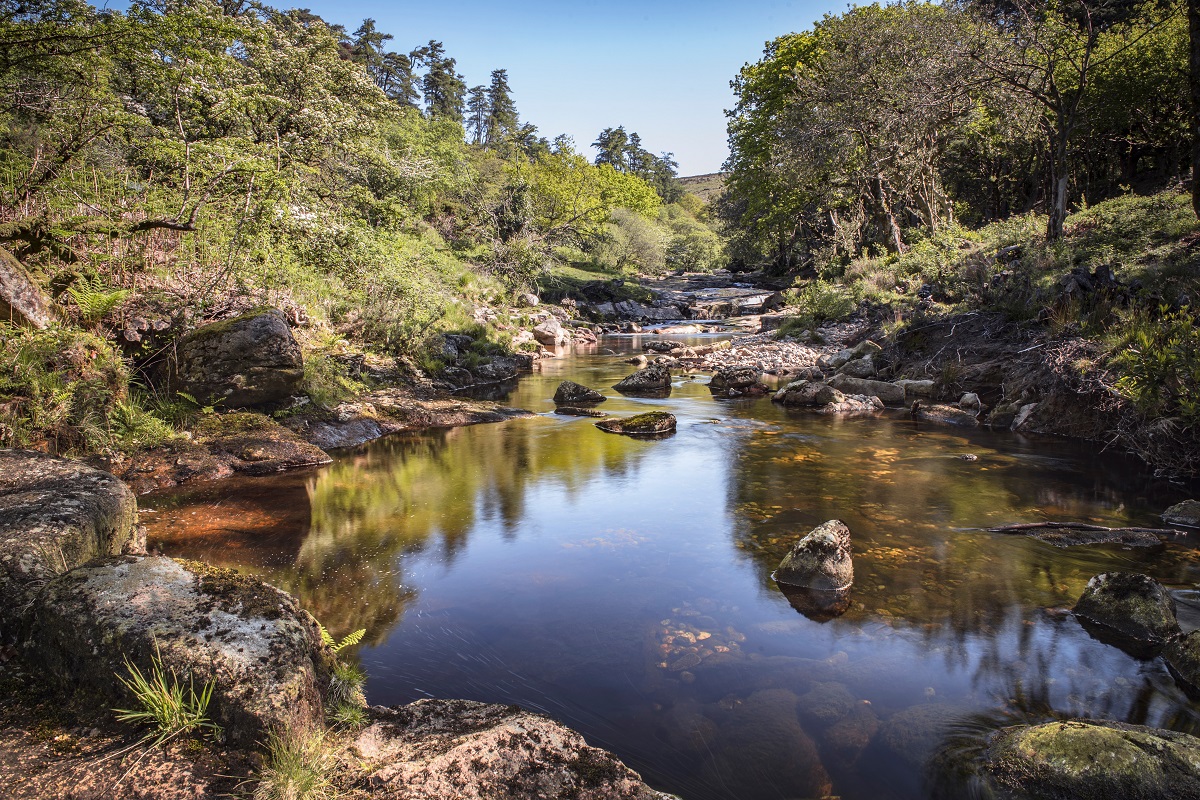
To the north, the route reaches into Dartmoor National Park, where the path opens to the sky and the landscape feels untamed. Granite tors, high ground and wide skies create a powerful sense of space, quite unlike anything that follows. Weather and light play a big role here, and the moorland miles have a wild, almost timeless quality.
Leaving the windswept moorland of Dartmoor behind, the trail begins its gentle descent towards the coast, carrying walkers into the soft, inviting countryside of the South Devon National Landscape. Here, rolling farmland stretches between rivers that thread their way through native woodlands and quiet country lanes. Wildlife abounds in these peaceful valleys, while the route passes through charming villages where centuries of history linger in Norman churches, old mills, and traditional thatched cottages.
The route then meets the sea and follows a spectacular stretch of the South West Coast Path, delivering some fifty miles of classic South Devon coastline. Sandy coves, rugged headlands and long cliff-top paths provide drama and constant change, while seaside towns and coastal villages bring welcome colour, comfort and character along the way.
Finally, the journey comes full circle along the Dart Valley, where the landscape feels calmer and more intimate. The river widens and narrows as it winds inland, bordered by woodland and riverside villages. After the exposure of the coast and the openness of the moor, this gentle return to Totnes offers a fitting and reflective end to the walk.
Together, these four landscapes give the South Hams Way its distinctive rhythm. It’s a route that never settles into one mood for long, and one that rewards walkers with variety, contrast and a real sense of travelling through a living landscape.
The Five Estuaries of the South Hams Way
One of the defining features of the South Hams Way is how often it meets tidal water. The route encounters five estuaries, each shaping the walk in its own way.
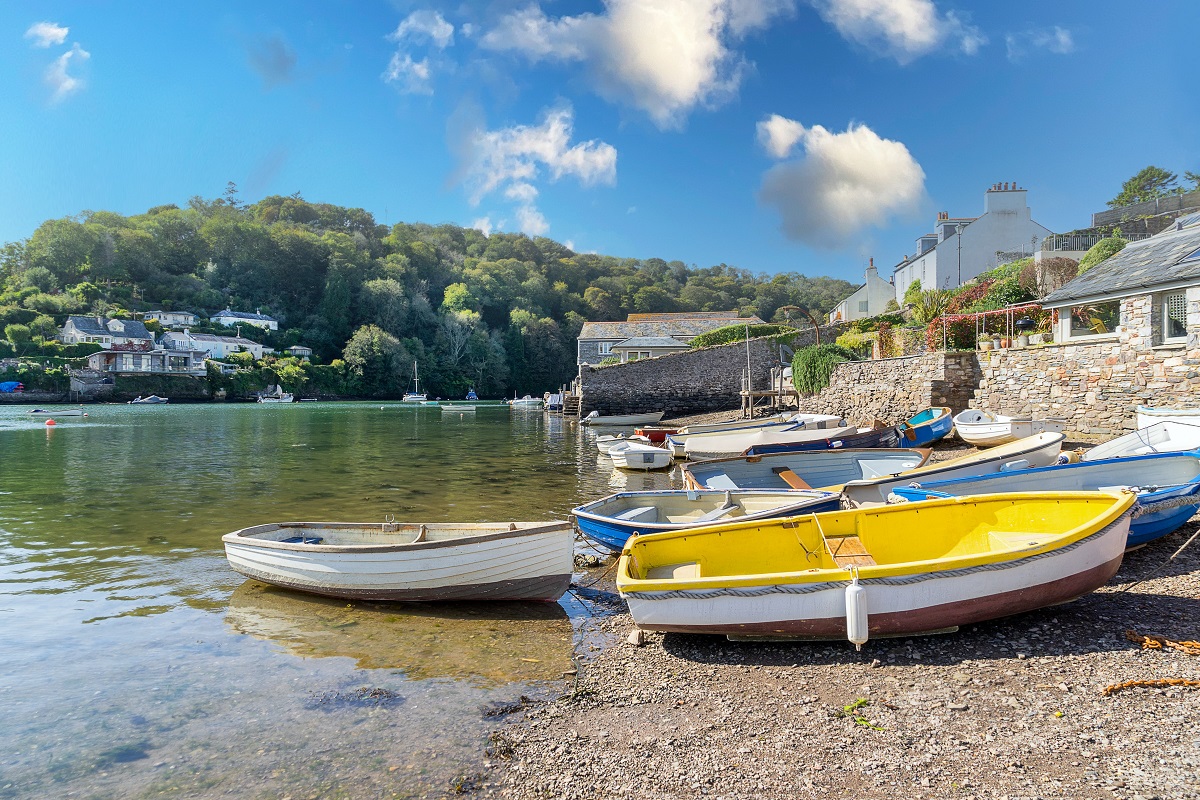
The Yealm Estuary, near Newton Ferrers and Noss Mayo, is the first of these encounters. Here the path keeps to the east of the river, weaving through woodland and fields as the water gradually widens. It’s a gentle introduction to the estuarine landscapes to come, with sheltered creeks, moored boats and a sense of calm before the drama of the open coast.
Further east, the route reaches the Erme Estuary at Mothecombe. This is a quieter, more intimate place, where the river slips quietly into the sea beneath wooded slopes and sandy banks. The walking here feels remote and unhurried, with the estuary acting as a natural turning point before the trail presses on along the coast.
At Bantham, the South Hams Way meets the River Avon, a broader, more energetic estuary shaped by tides and wide sandy beaches. It’s also a place where planning matters, as walkers use a seasonal ferry to make the crossing. A small but memorable part of the adventure.
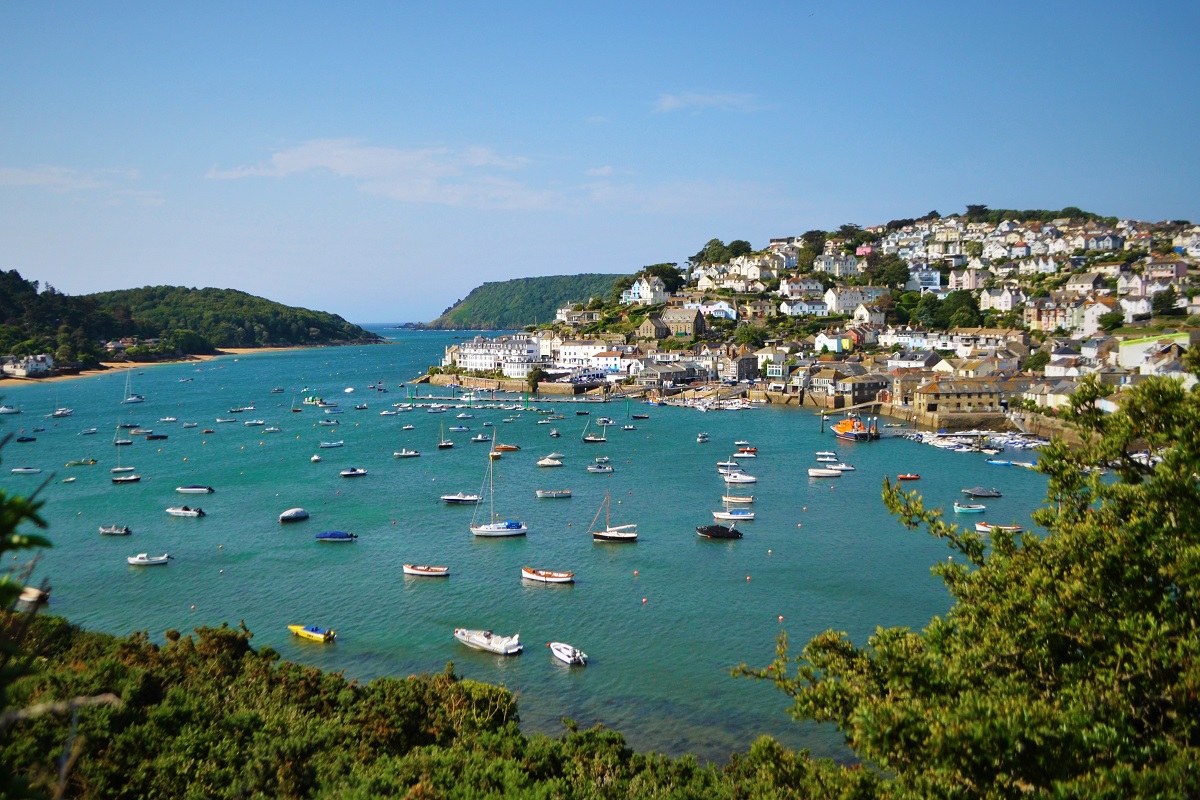
The Kingsbridge and Salcombe Estuary is perhaps the most lively of the five, a long, winding inlet fringed by woodland and bustling with sailing boats. Approaching Salcombe, the scenery feels almost Mediterranean on a sunny day, with turquoise water, steep wooded slopes and a busy harbour atmosphere. A short ferry crossing carries walkers onward to East Portlemouth, continuing the journey along the coast.
Finally, the route meets the River Dart at Dartmouth, where the estuary feels expansive and full of movement. Ferries criss-cross the water, colourful boats line the quays, and the sense of history is palpable. From here, the South Hams Way turns inland, following the west bank of the Dart through woodland and riverside villages, closing the circle with a peaceful return to Totnes.
Together, these five estuaries give the South Hams Way much of its character. Each one is different in scale and mood, but all bring moments of contrast and reflection. Places where land and water meet, and where the walk briefly slows before continuing on its way.
Navigation and Waymarking
The South Hams Way is a hugely rewarding walk, but it is not a waymarked trail in the traditional sense. Instead, it brings together existing public footpaths, bridleways, tracks and quiet lanes, along with long stretches of the South West Coast Path, to create a varied and engaging journey.
Underfoot, walkers can expect a real mix of terrain. Crossing Dartmoor National Park, open moorland, granite tors and occasional pathless sections give this part of the route a more rugged feel. In dry conditions, the peatlands provide a surprisingly springy surface, but weather and visibility can change quickly, making this one of the most demanding sections of the trail.
Along the South Devon coast, the walking is generally on well-established coastal paths and tracks. While the surfaces are mostly good, the coast is rarely flat, with frequent short climbs and descents as the path rises over headlands and dips into coves. Some sections can also become slippery or muddy after wet weather, adding to the challenge.
Through the Dart Valley and around Totnes, the path follows good woodland tracks, riverside paths and field crossings, with some country lanes linking sections together. After heavy rain, these lower-lying paths can become muddy, particularly in woodland and farmland.
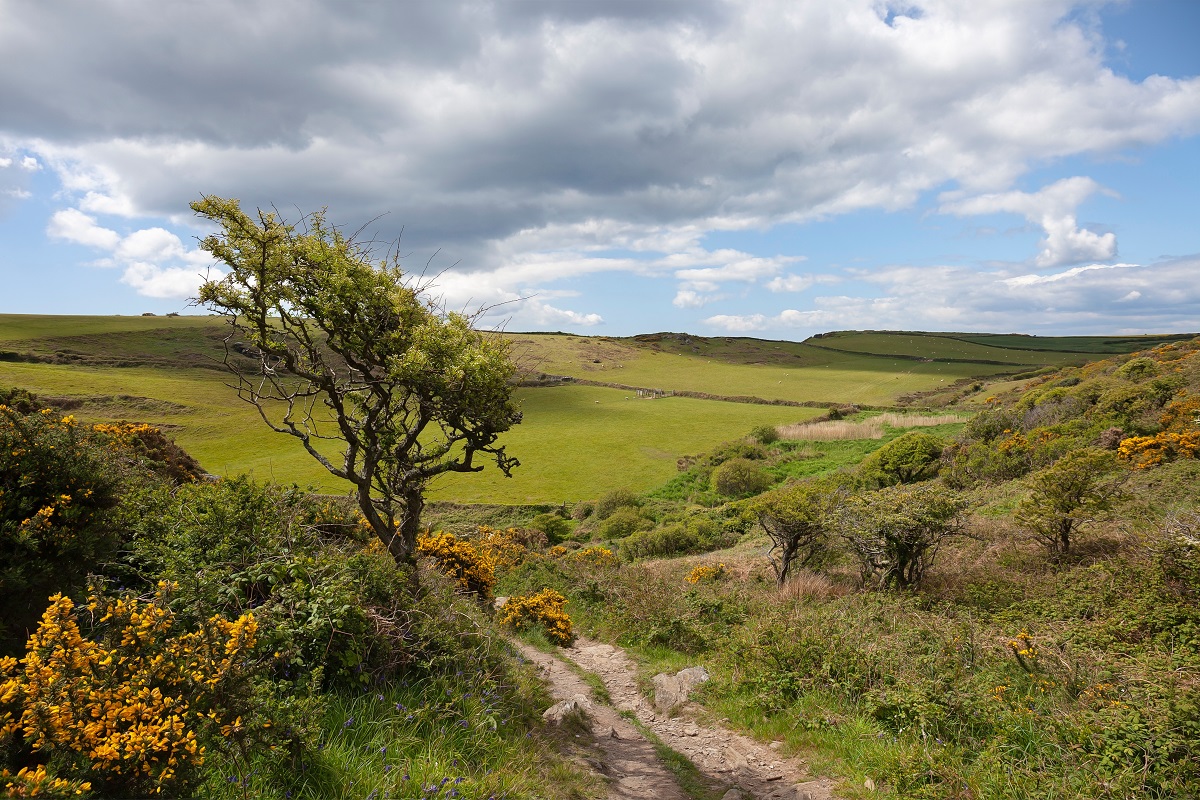
Navigation throughout the route relies on a combination of standard public footpath signage, occasional South Hams Way markers, and along the coast, the familiar acorn waymarks of the South West Coast Path. There is currently no single printed guidebook for the trail, but detailed route guides produced by the South Hams Ramblers are available to download for your own personal use and are an essential companion to the Ordnance Survey maps we provide.
Although rights of way are clearly shown on maps, following the route on the ground can require careful attention, particularly in poor weather or on open moorland. A good level of map-reading ability, and confidence with a compass, is important, especially on Dartmoor, where waymarking is limited and conditions can change rapidly.
In short, the South Hams Way is best suited to walkers who enjoy variety and are comfortable taking responsibility for their navigation. With good preparation, appropriate clothing and a flexible approach to the weather, it offers a deeply satisfying and memorable walking experience.
Different Ways to Experience the South Hams Way
One of the most appealing aspects of the South Hams Way is just how flexible it is. Whether you’re after a grand, multi-day adventure or a shorter taste of the landscape, there’s a way to walk that suits you.
For walkers keen to embrace everything the South Hams has to offer, the 102 mile circular route from Totnes back to Totnes can be completed in 8 or 10 days, allowing time to savour the moorland, coast, valleys, and estuaries in equal measure.
Not everyone has over a week to spare, and that’s perfectly fine. The trail has naturally distinct sections that can be enjoyed independently. Our Moorlands holiday, 32 miles from Totnes to Yealmpton, is a compact yet rewarding journey across Dartmoor’s eastern slopes, achievable in 2 or 4 days.
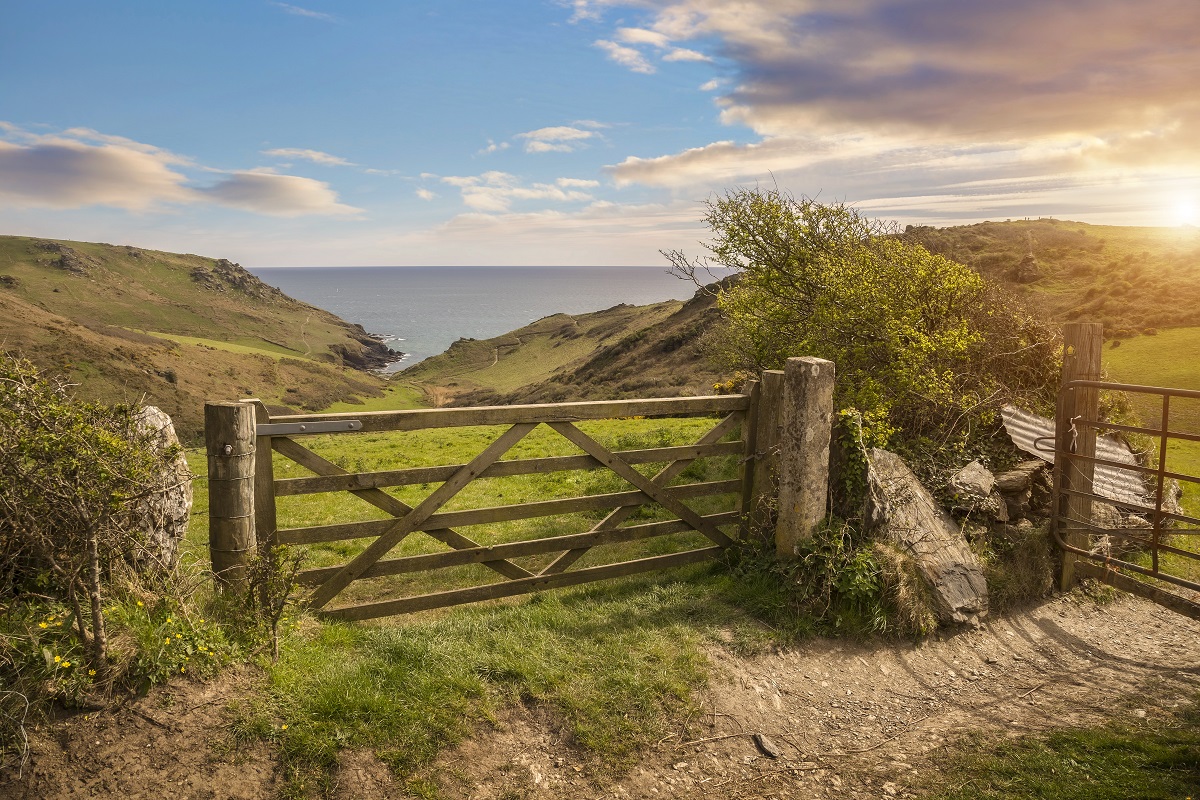
Our 56 mile Devon Coast holiday from Yealmpton to Dartmouth, threads its way through sandy coves, craggy headlands, and five unique estuaries. Perfect for a 5 day coastal adventure.
Finally, our 46 mile Dart Valley & Moorlands holiday from Dartmouth to Yealmpton, combines riverside tranquillity with the open moorland, available in 3, 5, or 6 day itineraries.
Some walkers choose to mix and match sections over different trips, perhaps exploring the coast one year and the moorlands the next. From a gentle weekend escape to a full circular expedition, the South Hams Way encourages walkers to create their own narrative, one step at a time, and the freedom of self-guided holidays allow you to walk at your own pace, linger where the scenery calls, or explore local villages, pubs, and historic sites along the way.
More Than Just a Trail
To sum it up, the South Hams Way is more than just a trail, it’s a celebration of Devon at its most inviting. From the wild, windswept tors of Dartmoor to the soft curves of the South Devon valleys, from the sparkling estuaries to the rugged beauty of the coast, every step offers a new discovery.
Walkers can immerse themselves in a landscape shaped by thousands of years of history, from Norman castles to quaint village squares, while also enjoying the quieter, everyday magic of riverside woodlands, coastal paths, and rolling farmland. The trail is challenging in all the right ways, rewarding effort with spectacular views, hidden corners, and moments of pure tranquillity.

Thanks to the vision and dedication of the South Hams Ramblers, the path has been thoughtfully created and carefully maintained, inviting walkers to explore some of Devon’s most cherished landscapes with confidence. Whether tackled in its entirety or enjoyed in shorter sections, the South Hams Way promises an experience that feels both deeply personal and truly memorable.
Want to know more about the South Hams Way?
Simply email us at [email protected] or call us on 017687 72335 to speak with one of our walking holiday experts and together we’ll find the itinerary that’s just right for you.
