
Walking the Northumberland Coast: Castles, Priories and Timeless Views
There’s something really quite magical about the Northumberland Coast. Those endless golden beaches, windswept dunes, dramatic rock formations, and far-reaching views that simply stop you in your tracks. It’s also a region with a fascinating past. A place where history rises from the sand and blends seamlessly with nature, wildlife, and the sea.
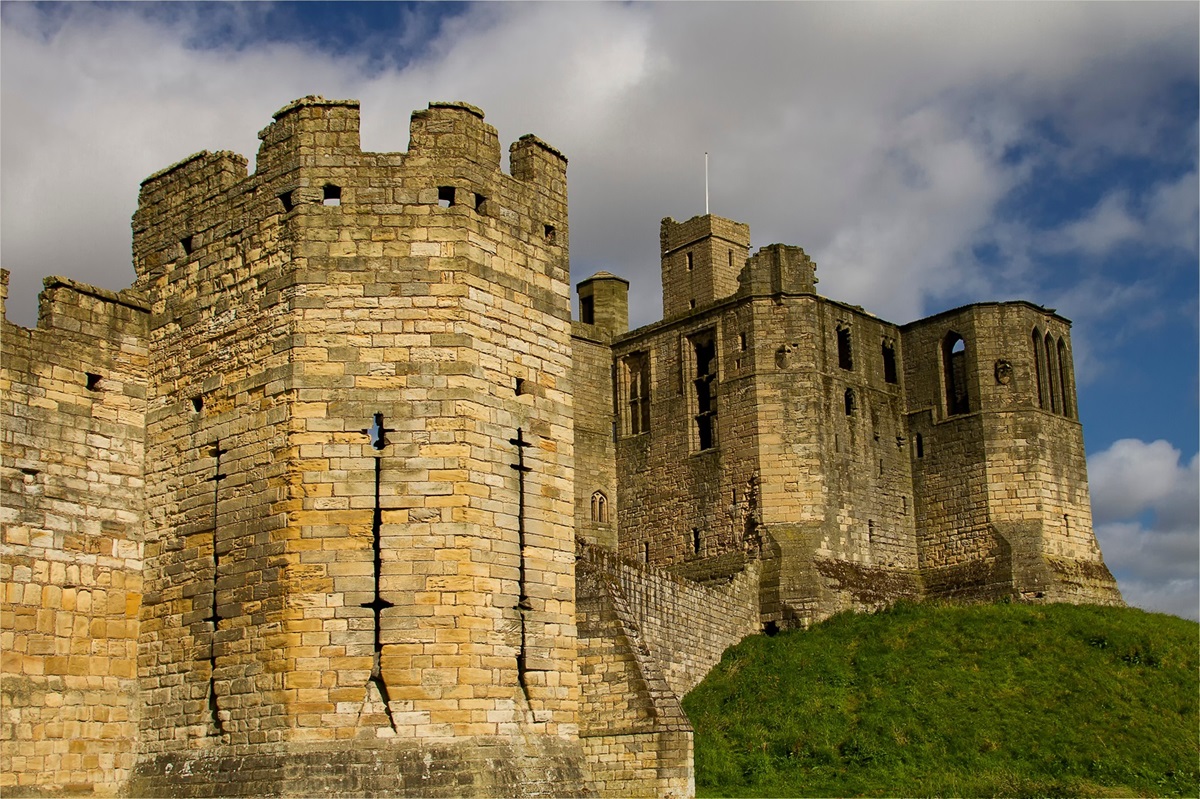
The first of many historical highlights is Warkworth Castle, perched in a naturally defensive loop of the River Coquet. The castle’s reflection in the river makes a memorable first impression, hinting at the grandeur that awaits inside. Its medieval sandstone tower soars above the village. Home to the powerful Percy family, famed for their skill as fighters, it was the seat of Henry ‘Harry Hotspur’ Percy – a key figure in Shakespeare’s Henry IV plays. Nicknamed for his speed in advancing and eagerness to attack Scottish armies, he became a hero in many border ballads before his eventual rebellion and death at the Battle of Shrewsbury in 1403.
Just a stone’s throw away, St Lawrence Church offers a quieter, more contemplative experience. With Saxon origins and centuries of architectural layering, its soft light and carved details speak of a community rooted in faith long before the first battlements were raised.
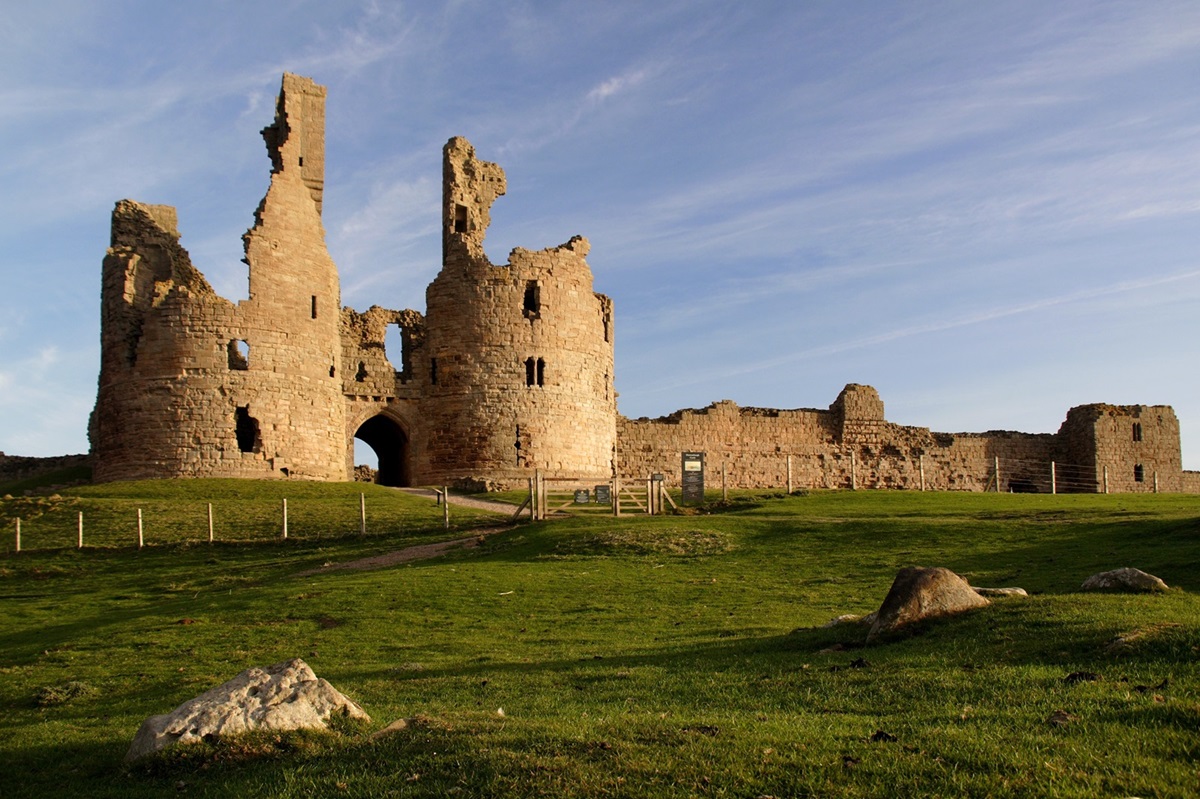
Further along the coast, between Craster and Embleton, the brooding silhouette of Dunstanburgh Castle stands above the whinstone cliffs. Built in the early 14th century by Thomas, Earl of Lancaster, as a massive show of power, as well as a potential refuge during political turmoil with King Edward II. It was later fortified by John of Gaunt in the late 14th century and saw fierce fighting and sieges during the Wars of the Roses in the 15th century, contributing to its eventual ruinous state. It has weathered storms, sieges, and centuries of sea air. The approach walk, with waves crashing below, is one of the most cinematic moments on the entire coast.
Near Embleton, the compact Embleton Pele Tower stands as a reminder of Northumberland’s turbulent past. These fortified towers were built for defence against border raids, and this one survives remarkably intact. Out on Inner Farne, another 15th-century Pele Tower once offered refuge for monks from Lindisfarne during times of danger, particularly from Scottish raids.
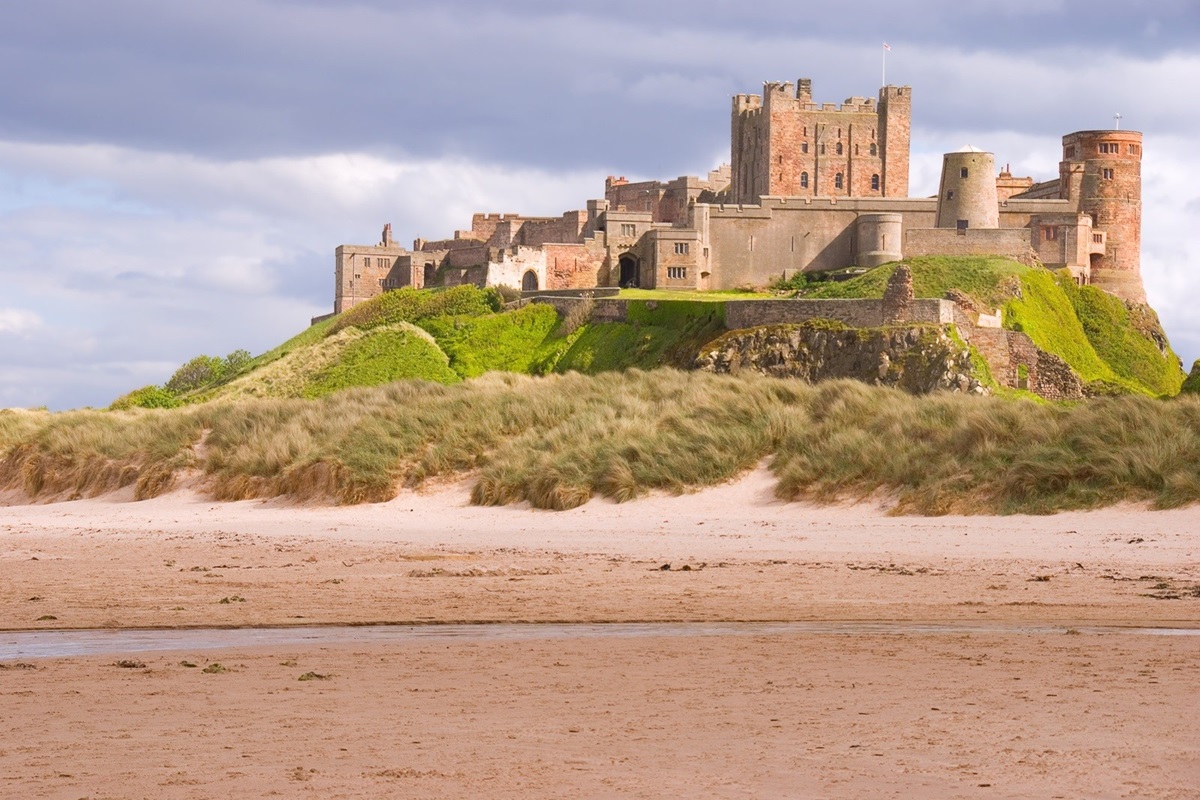
No walk along this coast would be complete without Bamburgh Castle, a colossal and imposing fortress rising directly from a golden sweep of sand. The site was the capital of the Anglian kingdom of Northumbria, known as Din Guardi and later Bebbanburg, from as early as the 6th century, and it witnessed the reigns of some of the region’s most remarkable monarchs. King Æthelfrith (r. 593–616), a fierce warrior, united Bernicia and Deira to become the first ruler of all Northumbria, winning many victories against native Britons. His successor, King Edwin (r. 616–633), brought a golden age to the kingdom, establishing Christianity with the help of the Roman missionary Paulinus and gaining recognition as overlord of most of England. Following him, Saint King Oswald (r. 634–642) returned from exile in Iona to restore Northumbrian supremacy after Edwin’s death. A deeply Christian ruler, he invited St Aidan to found the monastery on Lindisfarne, cementing Bamburgh’s role, and that of the surrounding region, as the ‘Cradle of Christianity’ in northern England.
The vast stone walls, grand halls, and breathtaking views of Bamburgh Castle today still echo the power and legacy of these early kings – every step a story, every rampart a reminder of centuries of ambition, faith, and drama along this wild and windswept coast.
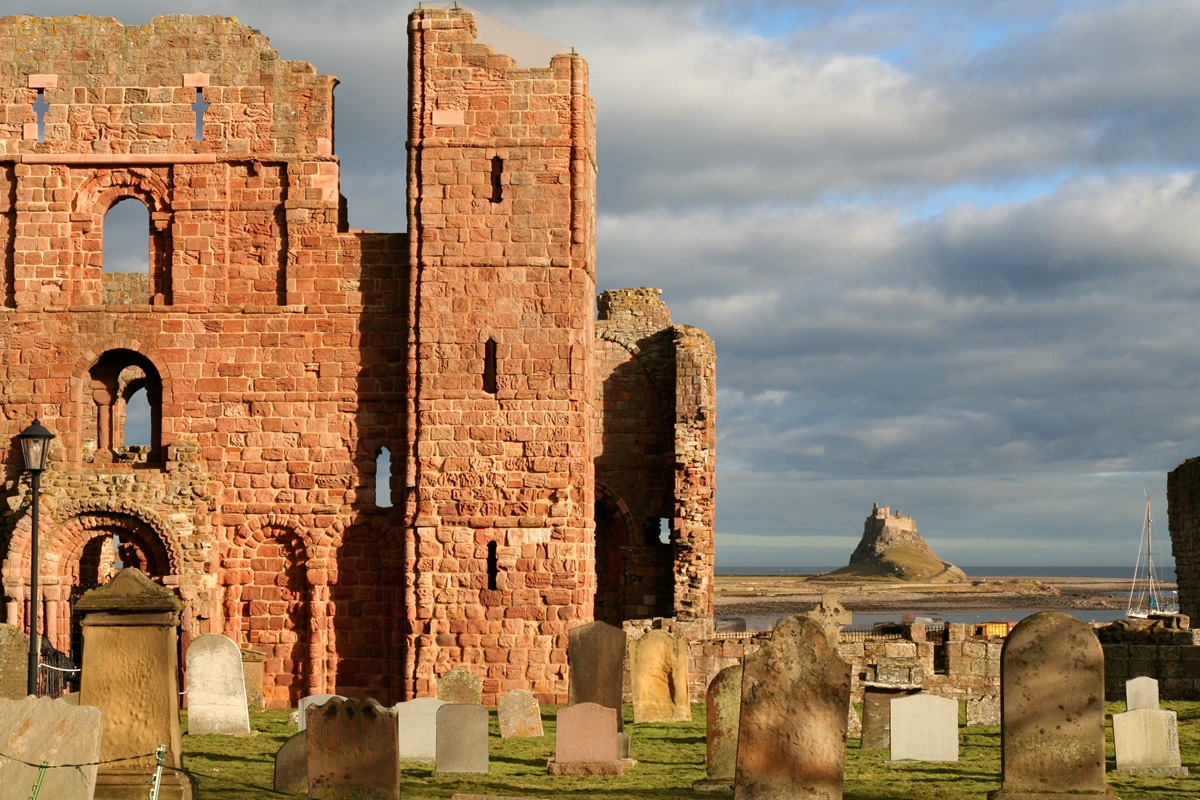
It’s worth noting at this point, that there are two great walking routes along this coast – the Northumberland Coast Path and St Oswald’s Way. The latter runs in the opposite direction and begins on the Holy Island of Lindisfarne, where both the Priory and Castle await. It’s worth noting, timing your visit with the tides turns the walk across the causeway into an adventure in itself. The Priory’s striking red sandstone ruins recall the courageous monks who founded the monastery in AD 635. It was here that the masterpiece of Insular art, the Lindisfarne Gospels, was created in the early 8th century, a testament to the community that spread Christianity across northern England. The island’s tranquil beauty belies a turbulent past; it was the site of a brutal Viking raid in AD 793, a pivotal and terrifying moment in English history that marked the beginning of the Viking age in Britain. Above the priory, perched dramatically between sea and sky, the diminutive castle catches the eye. Originally a 16th-century fort, it was purchased in 1901 and transformed into a whimsical, almost storybook holiday home by the renowned Arts and Crafts architect Sir Edwin Lutyens.
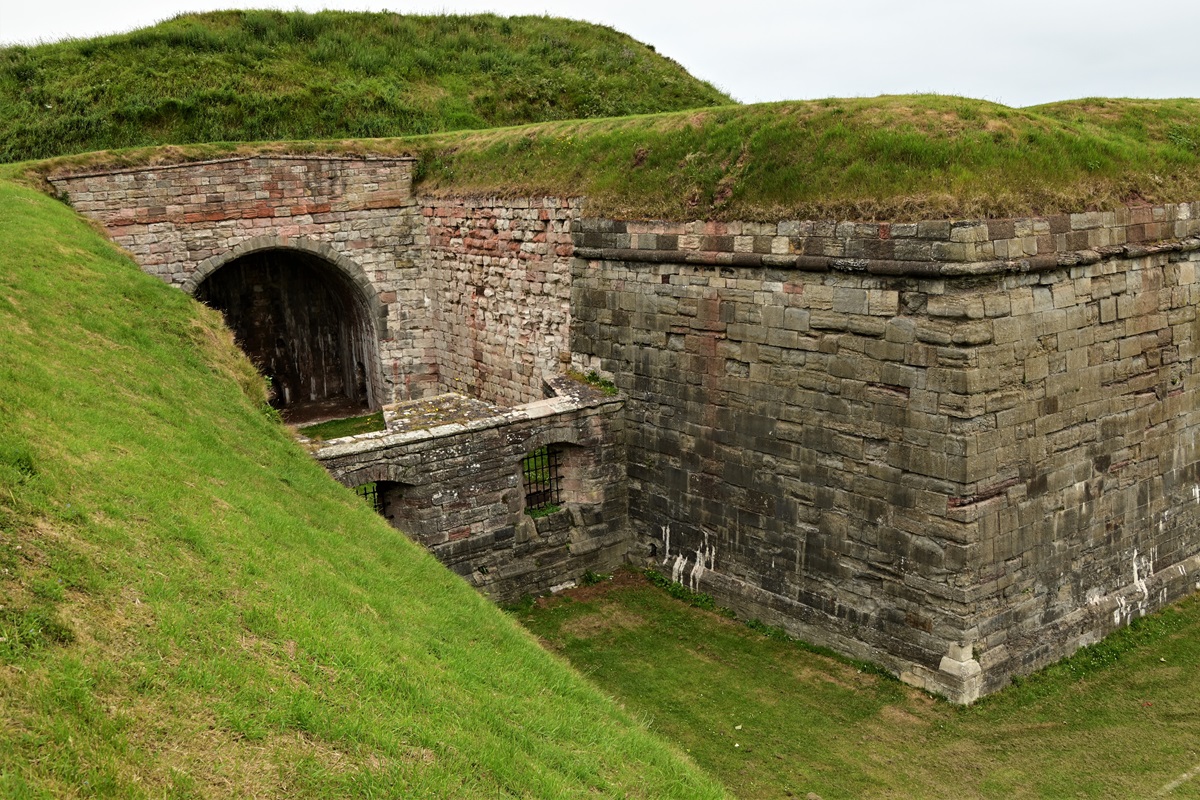
Finally, we have Berwick-upon-Tweed, a town with a turbulent history reflected in its unique architectural features. The formidable Elizabethan Town Walls, among the best-preserved examples of their kind in Europe, were built during the reign of Elizabeth I in the late 16th century, representing an early and influential use of the new artillery fortification style (trace italienne) in Britain. Walking these grassy ramparts gives sweeping views across the Tweed estuary, and the feeling of being on patrol – minus the armour – is wonderfully immersive.
Nearby, the ruins of Berwick Castle, once a major medieval fortress and the site where English kings accepted Scottish homage, serve as a stark reminder of centuries of conflict and the town’s frequent changing of hands between England and Scotland – a staggering 13 times! The town’s strategic importance is also evident in its impressive Grade I listed stone bridges spanning the Tweed, including the iconic 15-arch Royal Border Bridge designed by Robert Stephenson, which walkers can admire as they explore the riverside.
Ready to walk the Northumberland Coast?
From imposing castles to monastic ruins, from sand dunes to wildlife-filled estuaries, the Northumberland Coast feeds both body and imagination. Every step tells a story, every tower, priory, and castle invites exploration, and every view leaves a lasting impression. If you would like to know more about the Northumberland Coast Path or St Oswald’s Way, simply email us at [email protected] or call us on 017687 72335 to speak with one of our walking holiday experts.
