
Our Top 10 Walking Holidays for 2026
With so many walking holidays to choose from it can be tricky to know where to start. Whether you’re a first-time walker, looking for the perfect introduction, or a seasoned long-distance explorer adding to your list, sometimes the best way to discover what you love is to sample the tried and tested favourites, the people’s choice if you like.

The ten walks featured here are shaping up to be our most popular picks for 2026, offering a fantastic mix of landscapes, experiences, and challenges. From the wild moorlands of northern England, to the gentle rolling hills of the South Downs and Cotswolds, the dramatic Highlands of Scotland, the stunning coastline of Wales, the charm of Ireland’s Dingle Peninsula, and the sun-drenched shores of Jersey, there’s something here for every taste.
Each route has its own character, history, and scenery, offering a little taste of the very best of its region. Walkers will find panoramic views, historic towns, charming villages, wildlife-rich habitats, and opportunities to explore both cultural heritage and natural beauty. These ten walks, featured simply in alphabetical order, are the kind that leave you with memories to savour long after you’re back home, and they may just help you discover the kind of landscapes you love to explore most.
Cleveland Way
If you love variety in a walk, the Cleveland Way is an absolute treat. Stretching over 100 miles, this stunning National Trail strings together two of Yorkshire’s most striking landscapes: the wild, heather-clad moors of the North York Moors National Park and the dramatic, cliff-top coastline that sweeps down to Filey. It’s a journey that feels like two holidays in one, and whichever stretch you’re on, the views never disappoint.
From the market town of Helmsley, the path leads you past castle ruins, the hauntingly beautiful Rievaulx Abbey, and the eye-catching Kilburn White Horse cut into the hillside. The escarpments around Sutton Bank offer breathtaking panoramas, while the distinctive summit of Roseberry Topping, fondly nicknamed the ‘Yorkshire Matterhorn’, makes for a cracking little climb with huge rewards at the top.

Reaching the coast, the walk takes on an entirely new character. You’ll follow soaring cliffs between fishing villages and seaside towns, pausing perhaps in Whitby to explore its historic harbour and the dramatic remains of Whitby Abbey. Further south, Robin Hood’s Bay, Scarborough, and Filey bring their own mix of charm, history, and sea-air freshness.
The Cleveland Way has been delighting walkers since 1969 for good reason, it combines rich history and varied scenery. It’s one of those trails where every day brings a new highlight, and by the end, you’ll feel like you’ve seen Yorkshire in all its moods.
Coast to Coast
Few trails capture the imagination quite like the Coast to Coast. Dreampt up in the 1970s by legendary fell walker and author Alfred Wainwright, this 193 mile adventure takes you from the Irish Sea at St Bees all the way across to the North Sea at Robin Hood’s Bay. Along the way you’ll cross three national parks: the Lake District, the Yorkshire Dales, and the North York Moors.
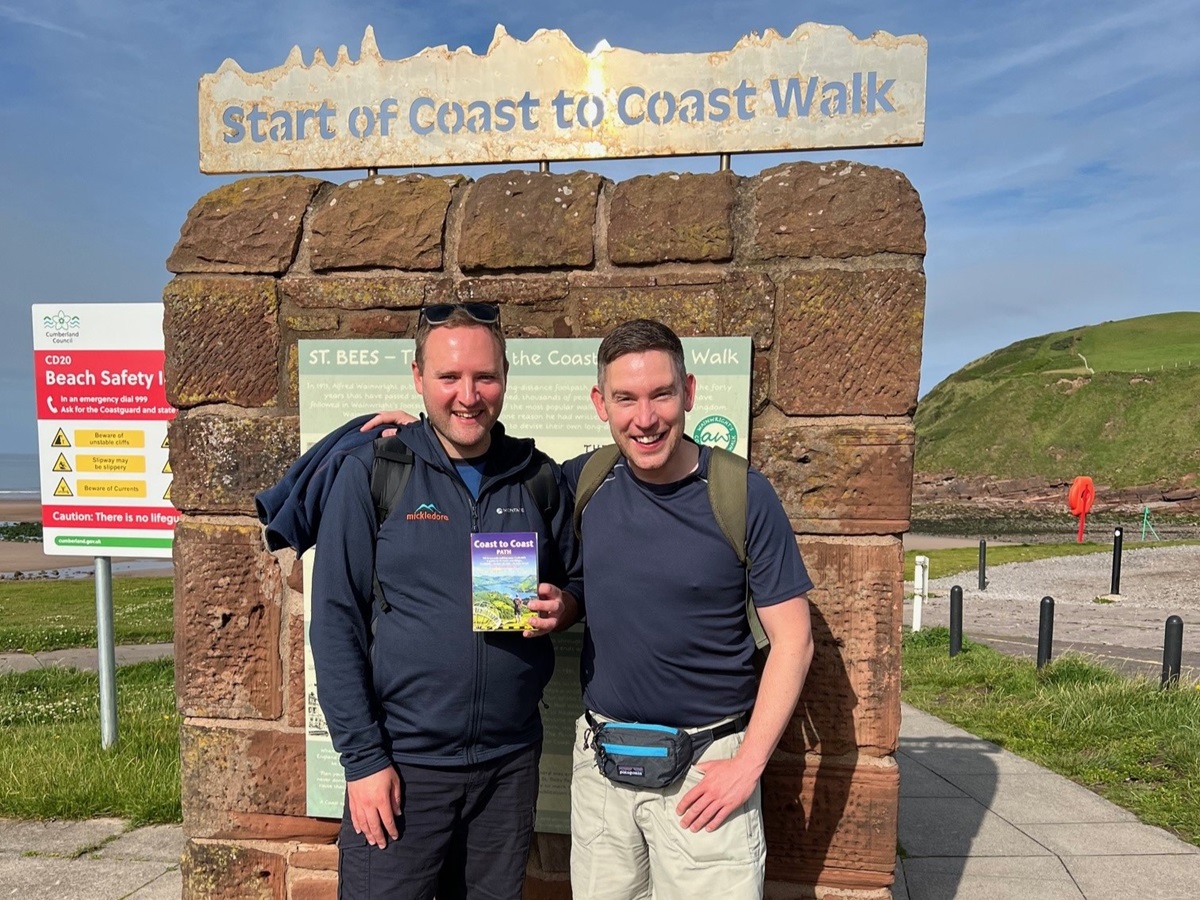
The walk begins in the much loved Lake District, with its mountain passes, glittering lakes, and steep climbs that can really put your legs to the test. The drama eases into the rolling green patchwork of the Yorkshire Dales, where stone walls criss-cross the hills, and villages welcome you with friendly pubs and cafés. Beyond the market town of Richmond, the path flattens briefly across the Vale of York before rising again onto the wild heather moors, eventually leading you to the sweeping cliffs and fishing coves of the east coast.
It’s a challenging walk, but in the best possible way. One that rewards you at every turn with spectacular scenery, cosy places to rest, and a real sense of achievement. More than fifty years on from Wainwright’s first crossing, the Coast to Coast still stands as one of the world’s great long-distance trails, and completing it feels like joining a very special club.
Cotswold Way
There’s something effortlessly charming about the Cotswold Way. Stretching 100 miles from the medieval market town of Chipping Campden to the elegant city of Bath, this trail is a celebration of quintessentially English countryside. Along the way, you’ll wander through rolling pastures dotted with sheep, beech woodlands fragrant with bluebells, and the honey-coloured villages that give the Cotswolds its distinctive feel.
History is never far away on this walk. From Neolithic burial barrows and ancient abbeys to stately homes and battle sites, each stop adds a fascinating layer to your journey. Sudeley Castle stands proudly as a testament to royal connections, while the Belas Knap Long Barrow offers a direct link to the region’s earliest inhabitants. The Tyndale Monument, perched on a hilltop, is a quiet reminder of William Tyndale’s extraordinary legacy. And, of course, every twist and turn of the escarpment reveals ever-changing views toward the Malvern Hills and the River Severn.
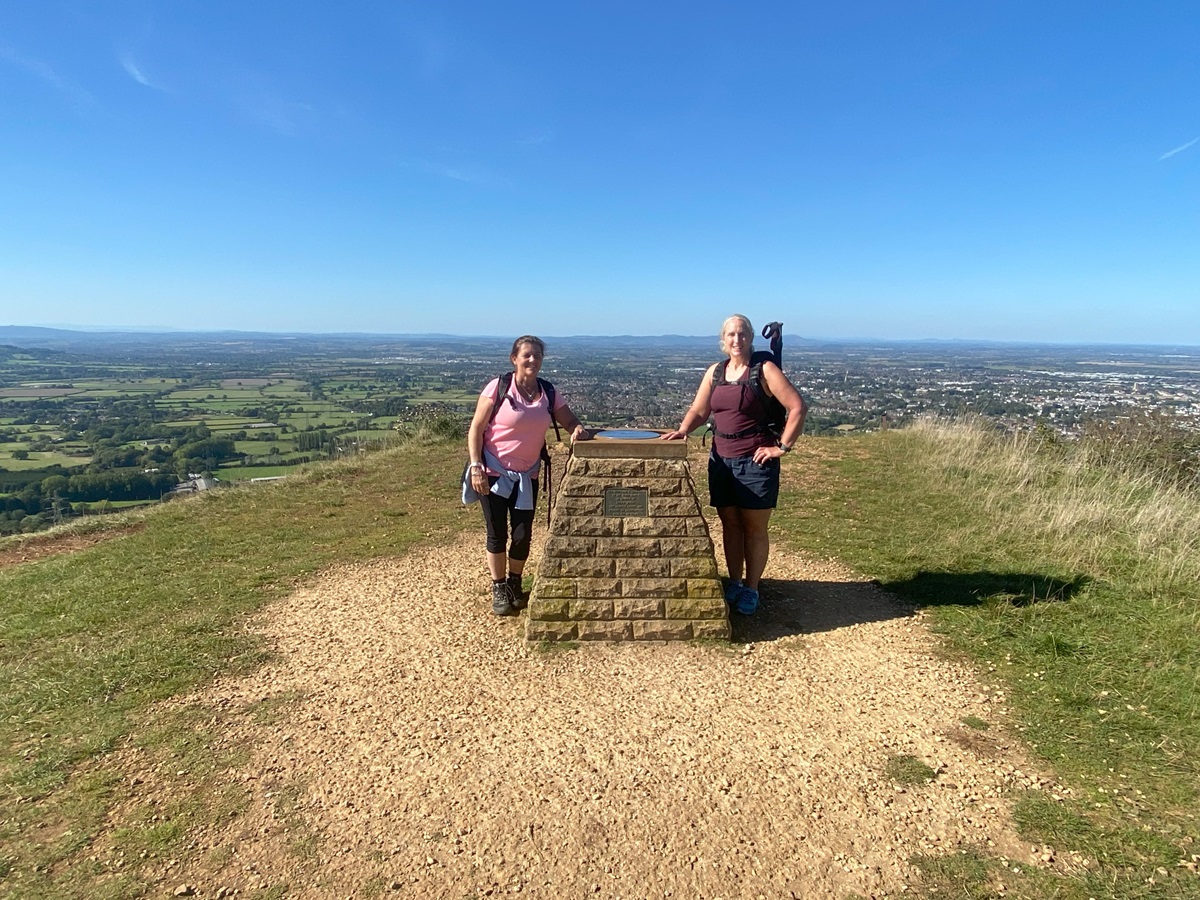
Nature lovers will be in their element. Springtime meadows shimmer with cowslips, orchids, and carpets of bluebells, while butterflies like the Adonis Blue and the Duke of Burgundy flit among the wildflowers. Keep an eye on the skies too, for skylarks singing overhead and the graceful glide of Red Kites. And when you finally reach Bath, with its Roman heritage and Georgian elegance, it’s the perfect punctuation to a walk that perfectly balances natural beauty, wildlife, and centuries of history.
The Cotswold Way is idyllic, peaceful, and endlessly rewarding. The kind of walk that leaves you smiling long after the last mile.
Dingle Way
The Dingle Way is a true feast for the senses. This 116 mile circuit of Ireland’s Dingle Peninsula winds through a landscape that feels both ancient and alive, where rolling hills meet rugged cliffs and miles of sandy beaches stretch along the wild Atlantic coast. Along the way, you’ll encounter standing stones, ring forts, dolmens, and even Ogham inscriptions. A fascinating glimpse into Ireland’s deep-rooted history.
The trail takes you over the lower slopes of the Slieve Mish Mountains, across the shoulder of Mount Eagle, and along the flanks of Brandon Mountain, offering breathtaking views at every turn. Away from the hills, quiet country lanes, farm tracks and woodlands provide peaceful walking, while the coastline reveals dramatic rock formations and the chance to spot seals, dolphins, and a variety of shorebirds. If you can, factor in a rest day in Dingle or Dunquin and, weather permitting, hop on a boat to the Blasket Islands, an evocative, abandoned village on Europe’s western edge.

Wildlife and flora are abundant, from bell heather and pink ling carpeting the moors, to skylarks and kestrels soaring overhead. Hedgerows bloom with primroses, foxgloves, and wild rose, while the beaches and machair are alive with colour. And wherever you pause, Ireland’s legendary hospitality is never far away, whether it’s the quiet charm of a rural guesthouse or the lively warmth of a pub filled with music and laughter.
Challenging, varied, and utterly unforgettable, the Dingle Way is a journey that marries adventure, culture, and the simple joy of walking in one of Ireland’s most spectacular corners.
Hadrian’s Wall
Walking Hadrian’s Wall is like stepping straight into history, and what a story it tells. This 86 mile trail follows the northernmost frontier of the Roman Empire, from Wallsend near Newcastle all the way to the Solway Coast at Bowness-on-Solway. Along the way, you follow Europe’s largest surviving Roman monument, winding through rolling moorland, lush meadows, and the picturesque towns that owe their very names to the Wall itself.
The most dramatic section lies in the heart of the route, where substantial stretches of the Wall still stand alongside some of the best-preserved Roman forts. It’s easy to picture Roman soldiers patrolling the windswept hills as you wander past milecastles and turrets, while the Northumberland countryside stretches invitingly around you. Towards the west, the scenery opens out onto the stunning Solway Coast, a haven for birdwatchers and wildlife enthusiasts, where red squirrels, deer, and countless birds make their homes.
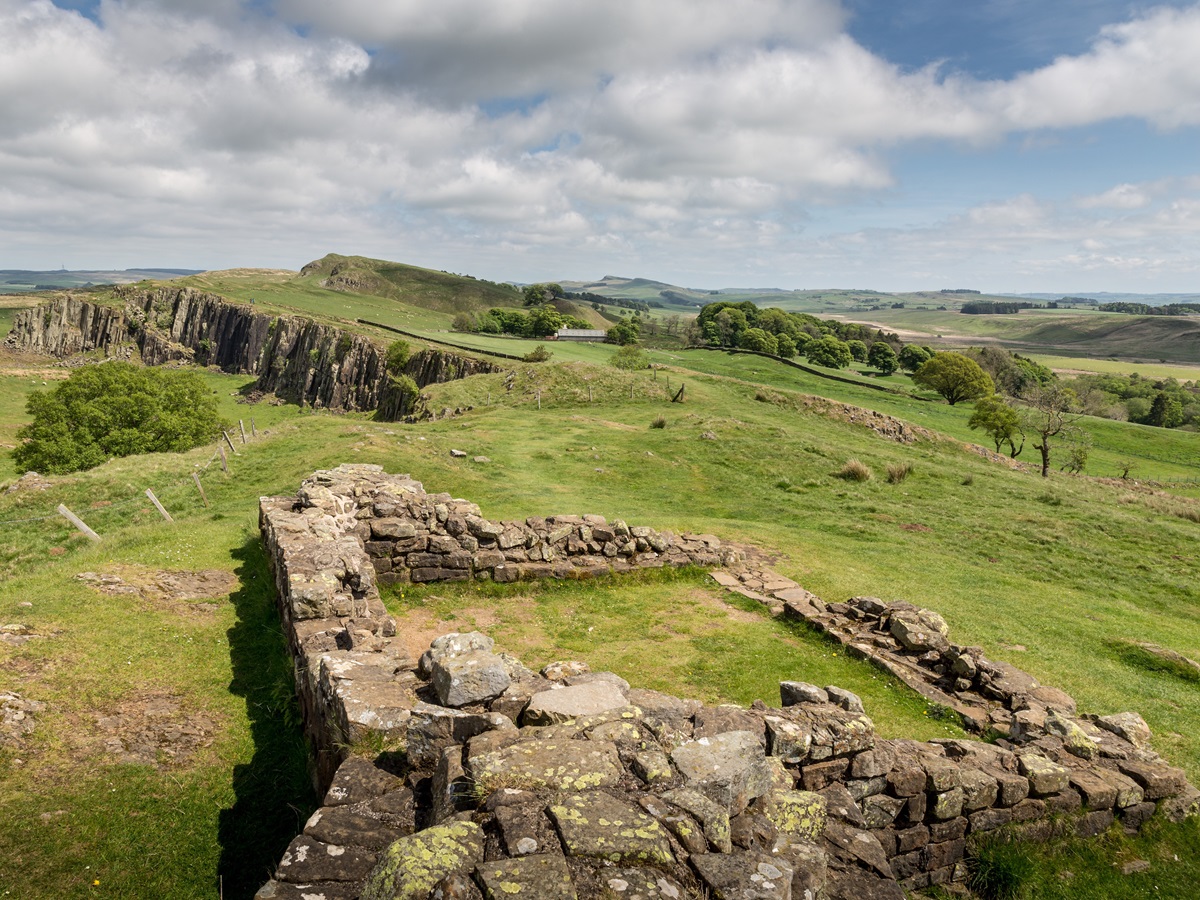
Despite its epic history and impressive landscapes, the trail itself is surprisingly approachable, with well-trodden paths and clear waymarking that make it a pleasure to follow. Along the way, you’ll have the chance to explore fascinating sites like Chesters, Housesteads, Vindolanda, and Birdoswald, all offering glimpses into a world nearly two thousand years old.
Hadrian’s Wall Path is a walk that perfectly blends culture, history, and natural beauty. It’s easy to spend a week here, taking your time, marvelling at the remains of one of the world’s most remarkable monuments, and enjoying the wild, open landscapes of northern England.
Jersey Coastal Path
The Jersey Coastal Path is a delightful way to explore this sun-kissed island, a 50 mile circular walk beginning and ending in the vibrant capital of St Helier. Despite its modest size, Jersey packs in an extraordinary variety of scenery, from rugged cliffs and golden sandy beaches to wooded valleys, quiet lanes, and hidden coves, with the sea never more than two miles away.
Along the way, you’ll encounter the island’s rich history and culture, from medieval fortresses like Mont Orgueil Castle to ancient monuments tucked into the landscape. The coast is dotted with tidal islands, lighthouses, and historic forts, each with its own story, while panoramic views stretch out across the sea to Sark, Herm, Guernsey, and even the coast of France on a clear day.
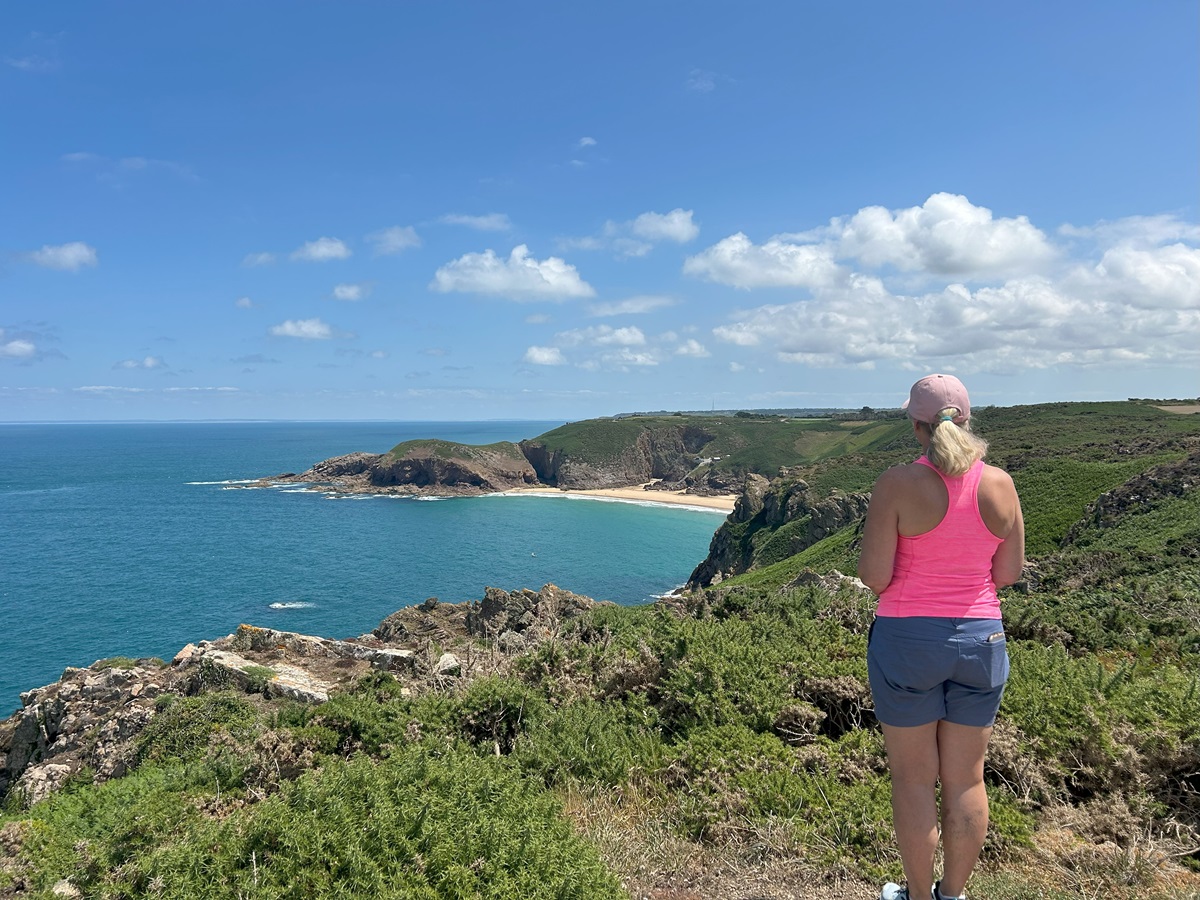
Nature lovers are equally spoilt. The island bursts with wildflowers through the seasons, from bluebells and narcissi to sea campion and ox-eye daisies. Birdwatchers will delight in the variety of species, from kestrels and peregrines to seabirds, waders, and even marsh harriers, making every pause along the trail a chance to spot something special.
And of course, Jersey is as much about taste as sight. From cosy cafés to Michelin-starred restaurants, there are plenty of opportunities to enjoy the island’s delicious cuisine along the way. With spectacular coastal views, fascinating history, and a gentle sea breeze for company, the Jersey Coastal Path is a walk that charms at every step and leaves you eager to explore more of this magical island.
Pembrokeshire Coast Path
The Pembrokeshire Coast Path is a walk that perfectly captures the rugged beauty of Wales. Stretching 185 miles from Amroth to St Dogmaels, this National Trail winds along some of Britain’s most dramatic cliffs, secluded coves, and sandy beaches, offering spectacular views and a truly varied coastal experience.
Along the route, history and heritage abound. Picturesque towns like Tenby, with its colourful harbour, and Solva, tucked neatly into the cliffs, add charm and character, while St David’s, Britain’s smallest city, surprises with its splendid cathedral. Pembroke impresses with a Norman castle and ancient town walls, offering a window into the region’s fascinating past. Of course, nature steals the show too – the towering Green Bridge of Wales is a breathtaking highlight, and wildlife thrives along the cliffs, headlands, and offshore islands, from nesting seabirds to an incredible array of wildflowers.
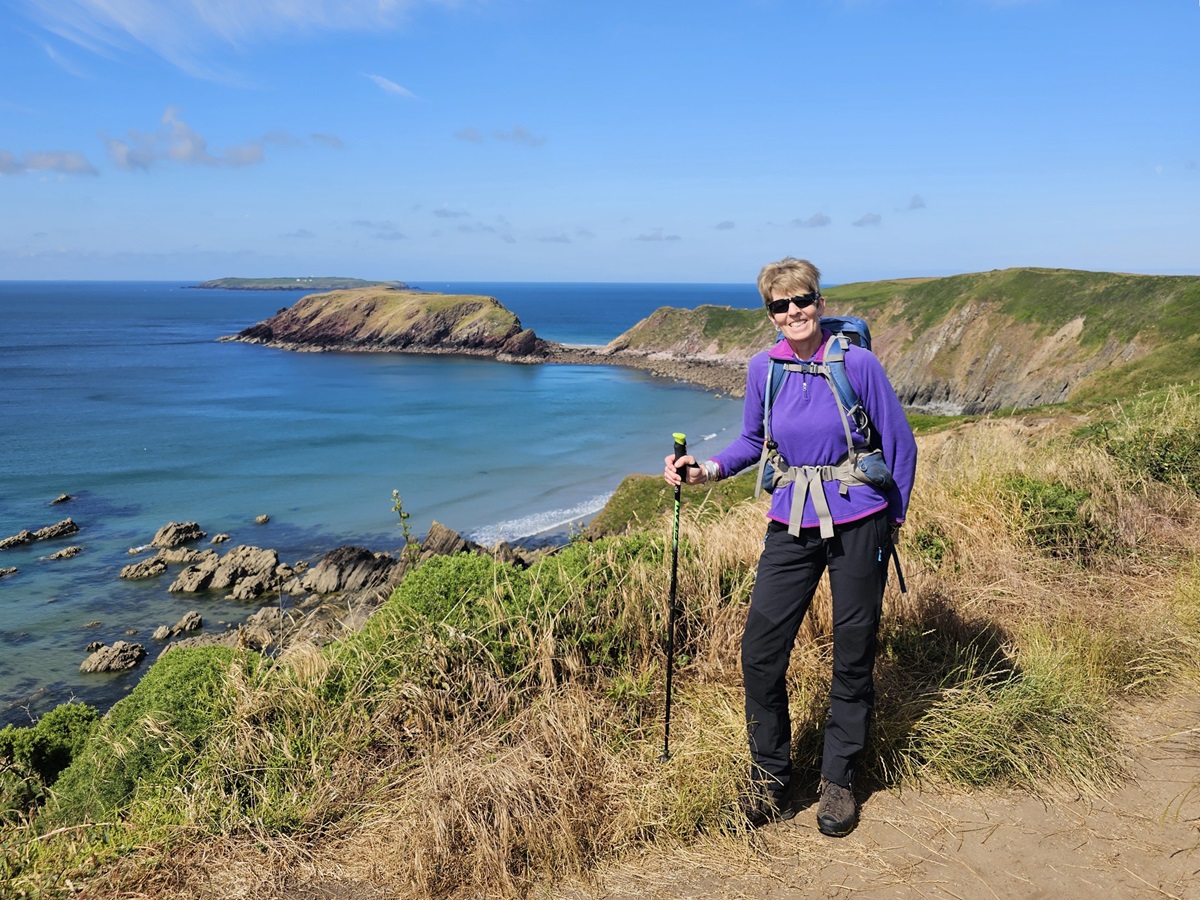
The path is varied in every sense. Some sections are challenging, with undulating ascents and descents, but the walk can also be enjoyed in shorter sections, making it accessible to a wide range of walkers. Each day brings something new, whether it’s a hidden cove, a panoramic viewpoint, or the simple pleasure of following the sea’s ever-changing moods.
With its combination of dramatic scenery, rich wildlife, and Welsh history and culture, the Pembrokeshire Coast Path is a truly unforgettable walking experience. It’s the sort of trail that invites you to slow down, look around, and appreciate the extraordinary landscapes and charming communities that make this part of Wales so special.
Pennine Way
The Pennine Way is a classic for a reason! Stretching 265 miles from Edale in the Peak District to Kirk Yetholm in the Scottish Borders, it’s Britain’s oldest and perhaps most iconic National Trail. Following the spine of England, it takes you through three national parks and a sweeping Area of Outstanding Natural Beauty, offering a tour of some of the country’s most dramatic upland landscapes.
From the very first steps in Edale, the trail immerses you in the wild and beautiful scenery of the Pennines. Expect windswept moorland, limestone cliffs, and charming dales, with highlights that include the Kinder Scout plateau, the stunning High Cup Nick, and the awe-inspiring Malham Cove. History is never far away either. Prehistoric monuments, medieval packhorse routes, and the best-preserved stretch of Hadrian’s Wall all punctuate the route, giving a real sense of the centuries of people who have traversed these hills before you.
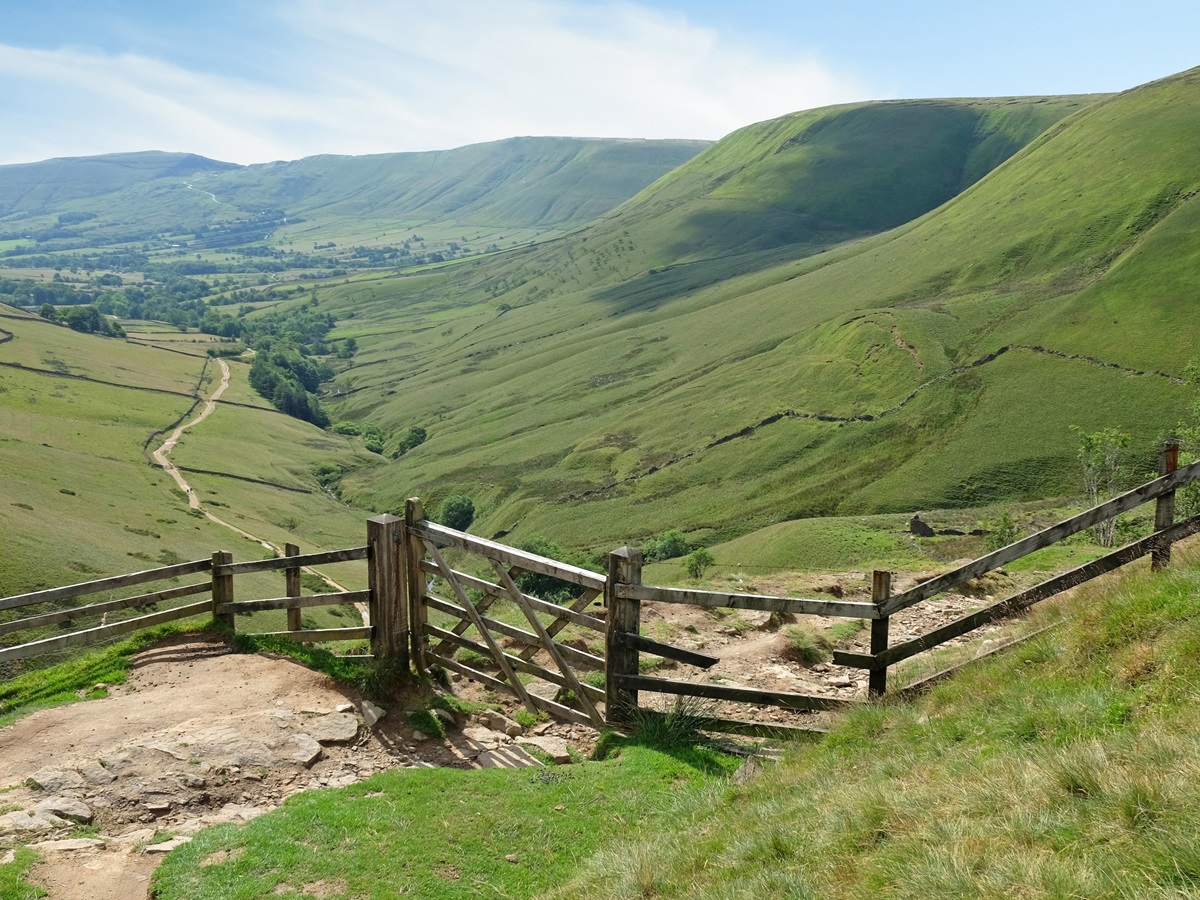
It’s a challenging walk, no doubt, but one that rewards effort with endless panoramas, a feeling of remoteness, and that satisfying sense of achievement at every stage. Whether you’re a long-distance walker ticking off a bucket-list route, or a nature lover wanting to immerse yourself in untamed upland beauty, the Pennine Way delivers on every front. Each day brings new views, new stories, and a real connection to one of England’s wildest and most remarkable landscapes.
Walking the Pennine Way isn’t just about covering miles, it’s about experiencing the very heart of the English uplands, step by step, in all their majesty.
South Downs Way
The South Downs Way is a relatively gentle, yet utterly captivating journey across southern England. Stretching 104 miles from the historic city of Winchester to the dramatic chalk cliffs of Eastbourne, it offers a perfect blend of rolling downlands, picturesque villages, and expansive panoramas that make every step a pleasure.
From the start, the trail feels timeless. Ancient tracks used by travellers and traders since the Stone Age weave through fields of grazing sheep, corn, and wildflowers, while Iron Age hill forts and historic landmarks punctuate the landscape.
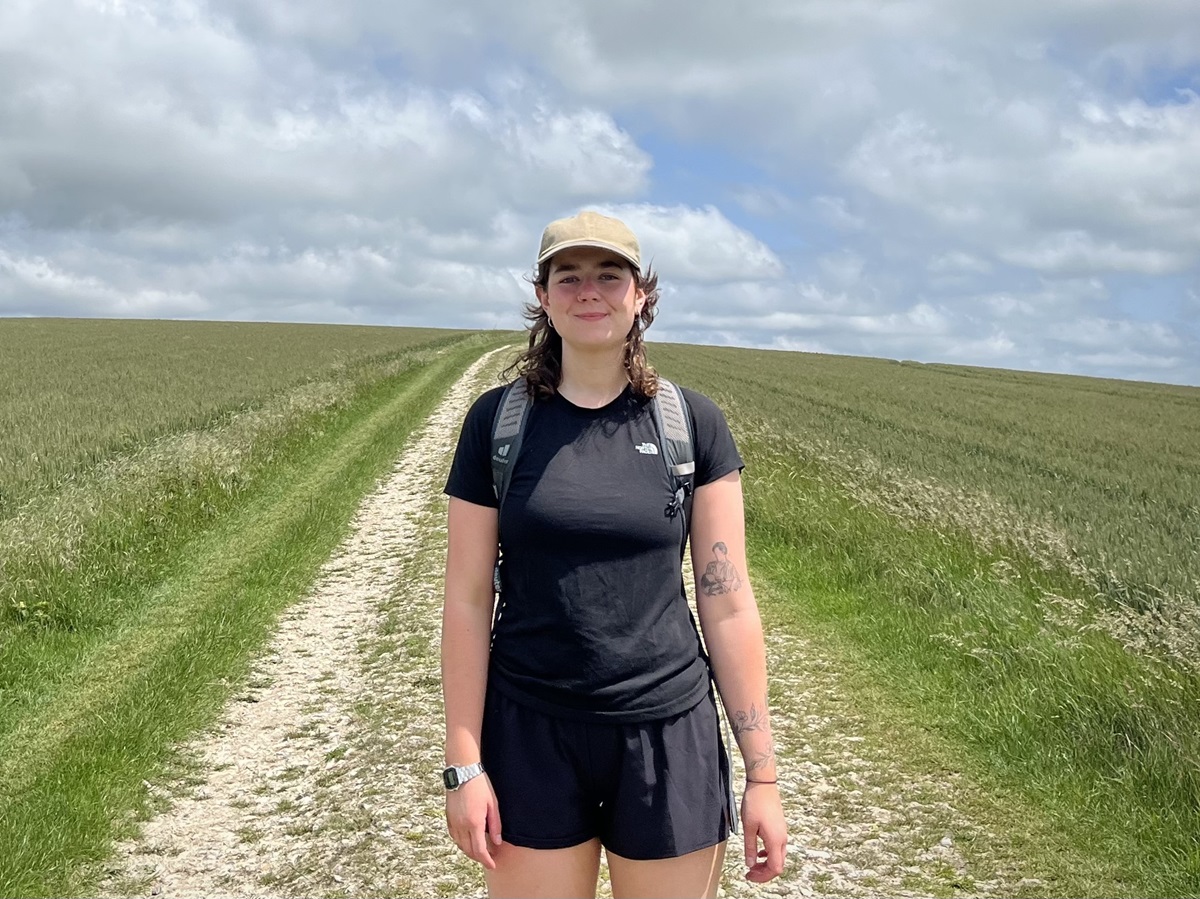
Highlights like the spectacular chalk formations of The Devil’s Dyke and the iconic Seven Sisters cliffs provide moments to pause and take in the sheer beauty around you. Despite its gentle nature, with few steep climbs, the route gives a wonderful sense of being ‘on top of the world,’ especially when the path sweeps across the crest of the South Downs.
Accessible and well-marked, the South Downs Way suits walkers of all abilities, and the villages, farms, and towns along the way offer warm welcomes and a touch of local charm. It’s a trail that balances history and nature, inviting you to slow down and soak up the tranquil countryside. Whether you’re in it for the stunning views, the story-rich landscapes, or simply the joy of walking, the South Downs Way is a delightful exploration of one of England’s most beautiful regions.
West Highland Way
The West Highland Way is Scotland at its most dramatic, a 95 mile journey from Milngavie, near Glasgow, to Fort William at the foot of Ben Nevis. This stunning trail, Scotland’s first long-distance footpath, has earned its reputation as one of the most iconic walks in the UK, guiding you from gentle lowland hills into the heart of the rugged Highlands.
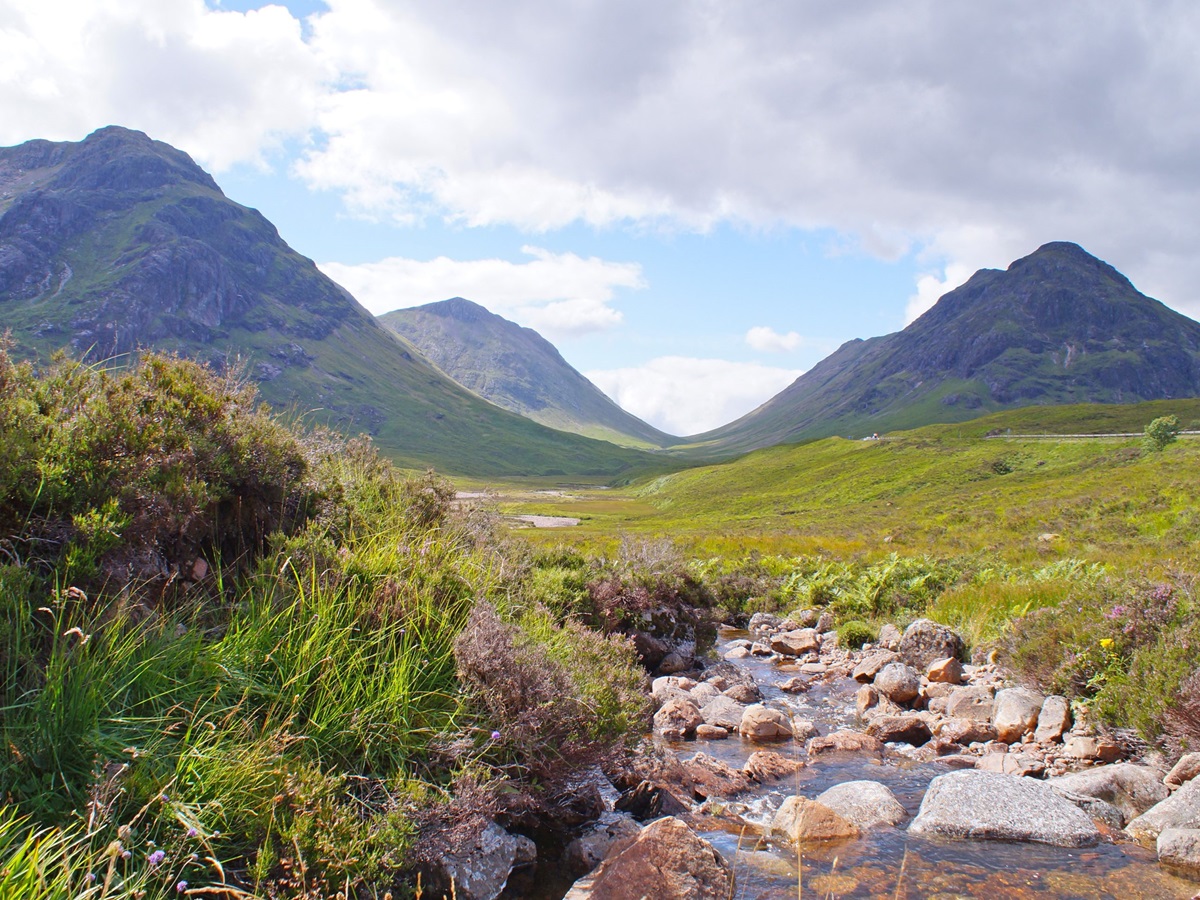
From the start, the trail captivates. Ancient woodlands and tranquil paths lead you onto Conic Hill, where the sweeping views over Loch Lomond, dotted with island islands, are nothing short of breathtaking. Beyond the loch, the path carries you into the untamed expanse of Rannoch Moor, a wild and remote landscape that feels utterly timeless. Along the way, Buachaille Etive Mòr dominates the skyline, and the ascent of the Devil’s Staircase rewards those who climb it with views across Glen Coe, the Mamores, and, on a clear day, Ben Nevis itself.
The final stretch is a treat: descending into the peaceful town of Kinlochleven before following the glen into Fort William, your journey watched over by Britain’s highest mountain. It’s a walk that combines challenge, adventure, and the kind of natural beauty that lingers in your memory long after the boots come off. Whether you’re drawn by the thrill of the Highlands, the quiet charm of Loch Lomond, or simply the joy of walking through some of Scotland’s finest landscapes, the West Highland Way is a trail that never fails to inspire.
Thinking about one of our Top 10 Walks for 2026?
Whether you’re dreaming of rugged Highlands, rolling hills, dramatic coastlines, or charming villages, we’d love to help you plan your perfect walking holiday. Email us at [email protected] or call 017687 72335 to chat with one of our friendly walking holiday experts. We’ll help you pick the route that’s just right for you – then all that’s left is to lace up your boots, step outside, and enjoy the adventure.
