
Exploring the King Charles III England Coast Path
England’s coastline is quietly compelling, don’t you think? Not in a dramatic, headline-grabbing sense, but in its sheer variety. Wide estuaries that open and close with the tide. Low, shifting marshes. Long sandy bays that seem to stretch on indefinitely. And, in places, cliffs that rise abruptly from the sea, weathered and reshaped with each passing year.
For generations, walking the coast has meant dipping in and out of it. A stretch here, a favourite section there. Beautiful in isolation, but rarely connected into something larger.
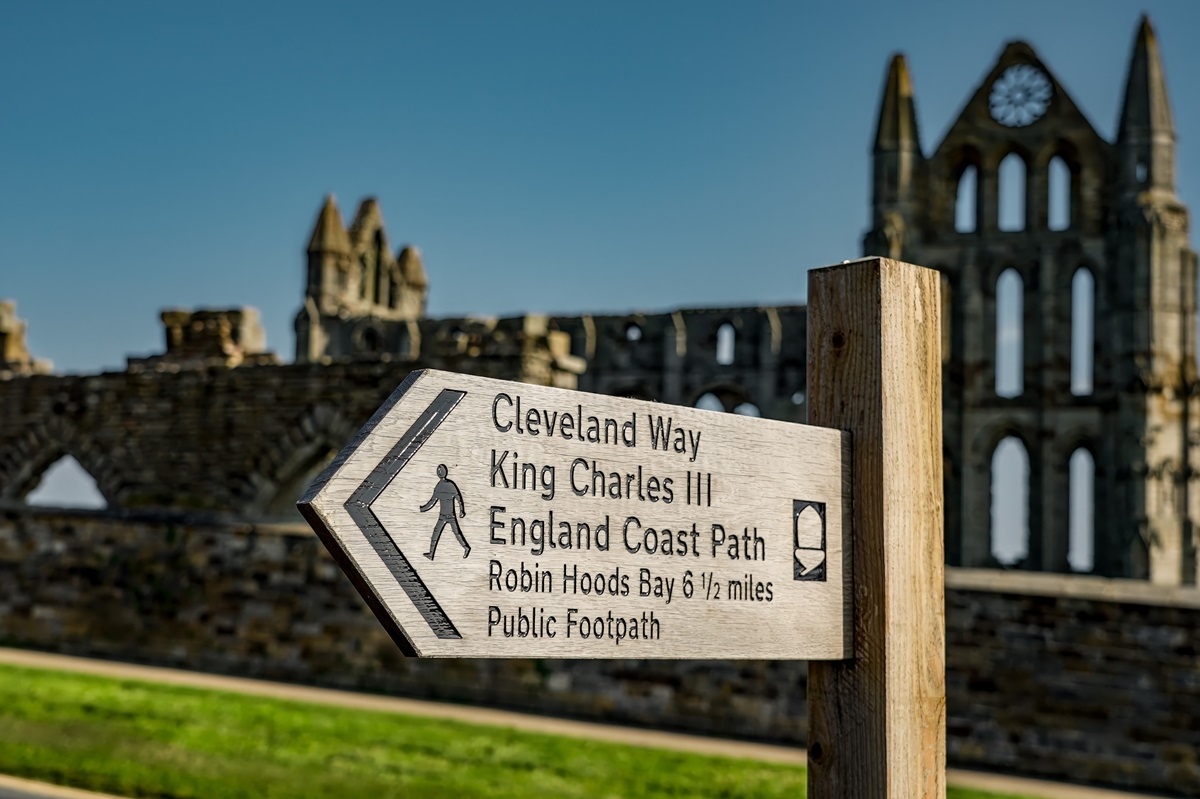
That has now changed.
Last week, King Charles III formally inaugurated the King Charles III England Coast Path – a continuous walking route tracing the entire shoreline of England. At almost 2,700 miles, it is the longest managed coastal walking route in the world, but its significance lies less in its length and more in what it makes possible.
For the first time, it allows you to reach the sea almost anywhere in England, turn left or right, and simply keep walking.
A Path Twenty Years in the Making
The path itself is not entirely new. Much of it follows well-established trails and familiar coastal routes, but over the past two decades these have been carefully joined together, extended, and improved. New sections of path have been created where gaps once existed, access has been opened to stretches of coastline previously out of reach, and the route has been brought closer to the water wherever possible.
It’s a project that has taken time – nearly 20 years in the making, supported by new legislation and shaped by countless small decisions along the way. Stiles removed. Boardwalks laid. Bridges built. In places, the work is almost invisible. In others, it really transforms how the coast can be experienced.
And importantly, it is a path designed not just for now, but for the future. As the coastline shifts and changes, the route can adapt with it, moving inland where necessary to ensure that the journey remains unbroken.
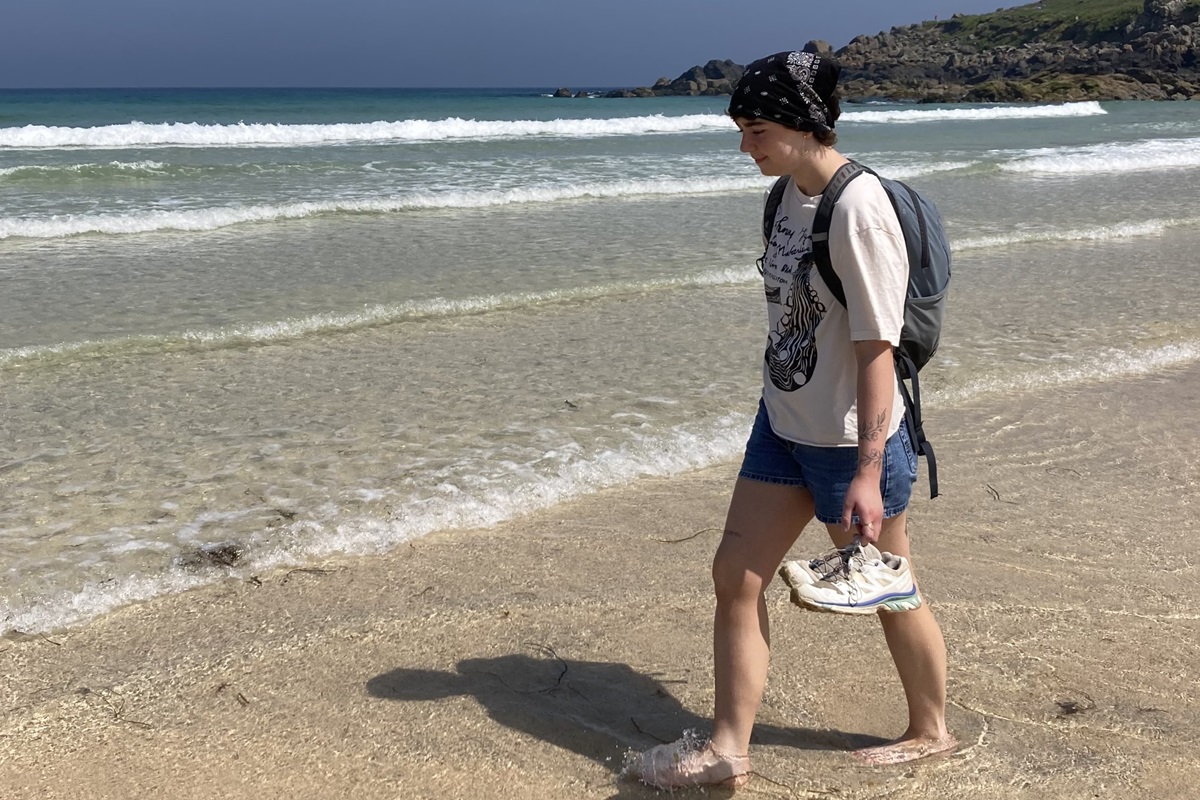
Few will set out to walk the near 2,700 miles in a single journey. And in truth, that’s not really the point. The beauty of the King Charles III England Coast Path lies in its flexibility – the freedom to explore it in sections, to return to it over time, and to experience the coast in ways that feel manageable, rewarding and personal.
We currently operate holidays on somewhere approaching 880 miles of the trail. Let’s take a look at these, beginning in the South West.
The South West: England’s Premier National Trail
Long before the idea of a continuous coastal path around England took shape, the South West Coast Path had already earned its place as one of Europe’s finest long-distance walks. Stretching for 630 miles through Devon, Cornwall, and Dorset, it forms the largest and most established section of the new national trail.
This is a coastline that rarely sits still. Cliffs rise and fall, headlands push out into open water, and estuaries draw you inland before releasing you once more to the sea. One day might bring high, expansive views across open bays; the next, a quieter passage through woodland, or a descent to a sheltered cove where the pace naturally slows.
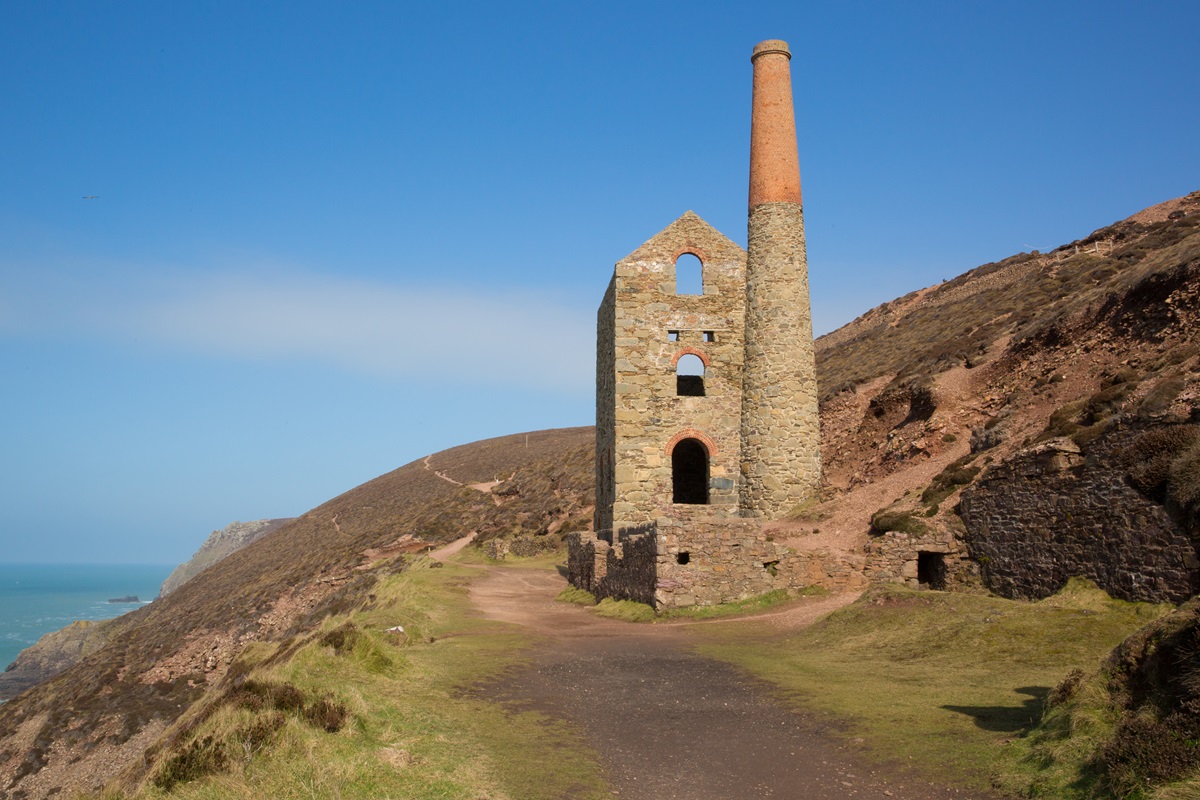
What makes the South West Coast Path so compelling is not just its scenery, but its variety. Fishing villages, working harbours and small seaside towns appear at regular intervals, each offering its own sense of place. Wildlife is never far away – seabirds circling on the wind, seals along quieter stretches of coast, and, with a little luck, dolphins offshore. Underfoot, the terrain keeps things interesting too, with a rewarding mix of cliff paths, coastal tracks and gentle inland diversions.
It’s also a path that lends itself perfectly to being explored in sections. Whether over a single week or across a series of shorter trips, each stretch feels complete in its own right, while still forming part of something much larger.
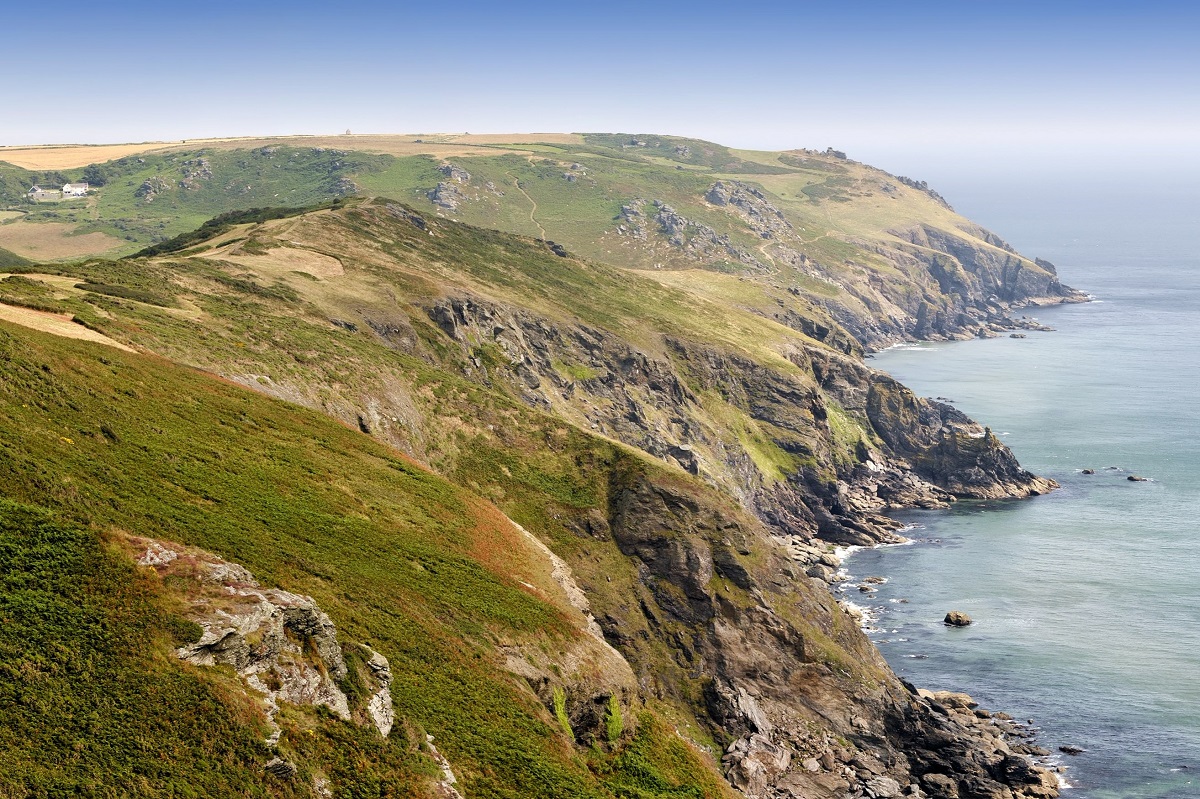
More recently, new ways of experiencing this coastline have begun to emerge. The South Hams Way, for example, offers a different perspective on South Devon. Starting and finishing in Totnes, it forms a circular journey that brings together coast, countryside and river valley in one cohesive route. Around half of the walk follows the South West Coast Path itself, linking sandy coves, rugged headlands and lively seaside towns, before turning inland through wooded valleys and along quiet estuaries to complete the loop.
It’s a reminder that even along a well-established trail, there are always new ways to explore the coastline.
From Chalk Downs to Island Circuits
Beyond the South West, the story of the coast continues to unfold in different ways, each stretch offering its own character while still feeling part of something larger.
On the south coast, the landscape shifts to chalk and open downland. A short circular walk on the South Downs from Alfriston captures this beautifully, linking countryside and coast in a compact but memorable journey. From the enigmatic Long Man of Wilmington to a night by the sea in Eastbourne, the route then rises onto the sweeping cliffs of the Seven Sisters. It’s here the King enjoyed a short walk following the inauguration.
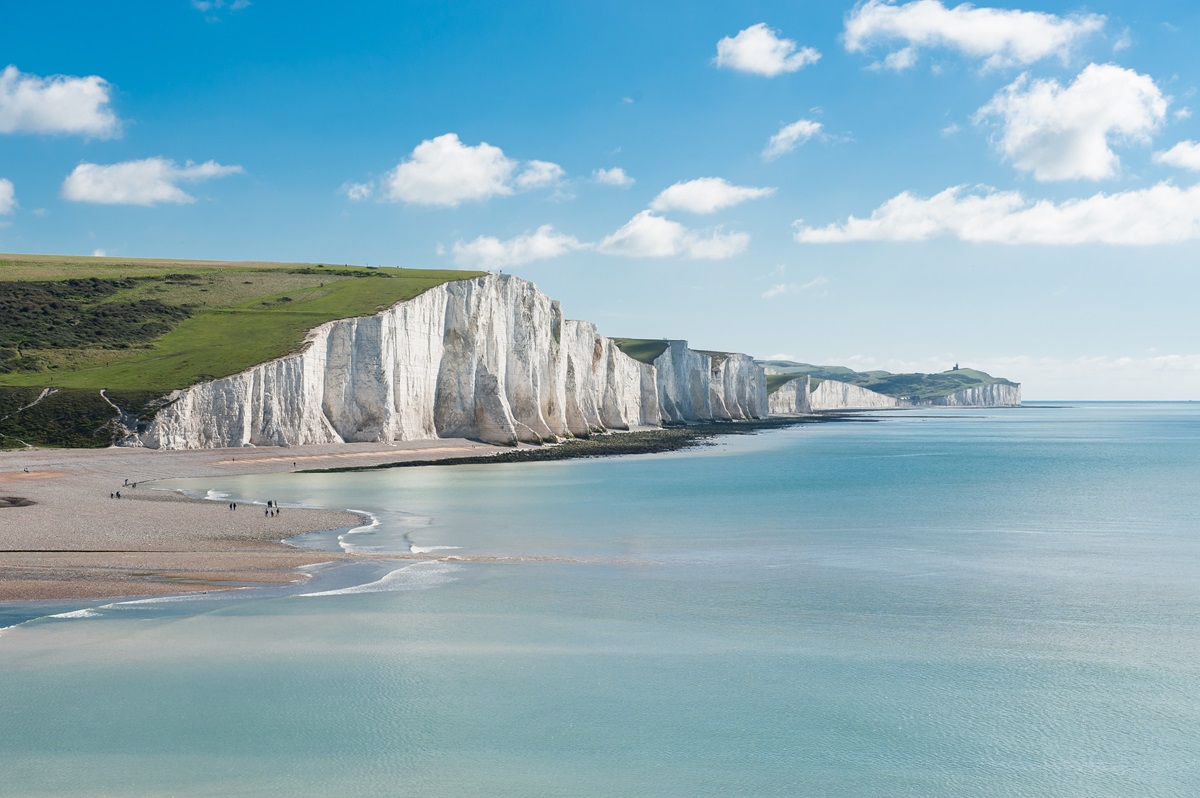
This loop, much like the circular route in the South Hams, encourages us not to be afraid of striking inland. The coast path is there to be explored as part of a wider landscape; you needn’t feel fixed to the water’s edge at all times to truly experience it.
Leaving the mainland, the journey becomes more self-contained on the Isle of Wight Coastal Path, now incorporated into the wider England Coast Path. Circling the island in a 78-mile loop, it offers a complete coastal experience in miniature.
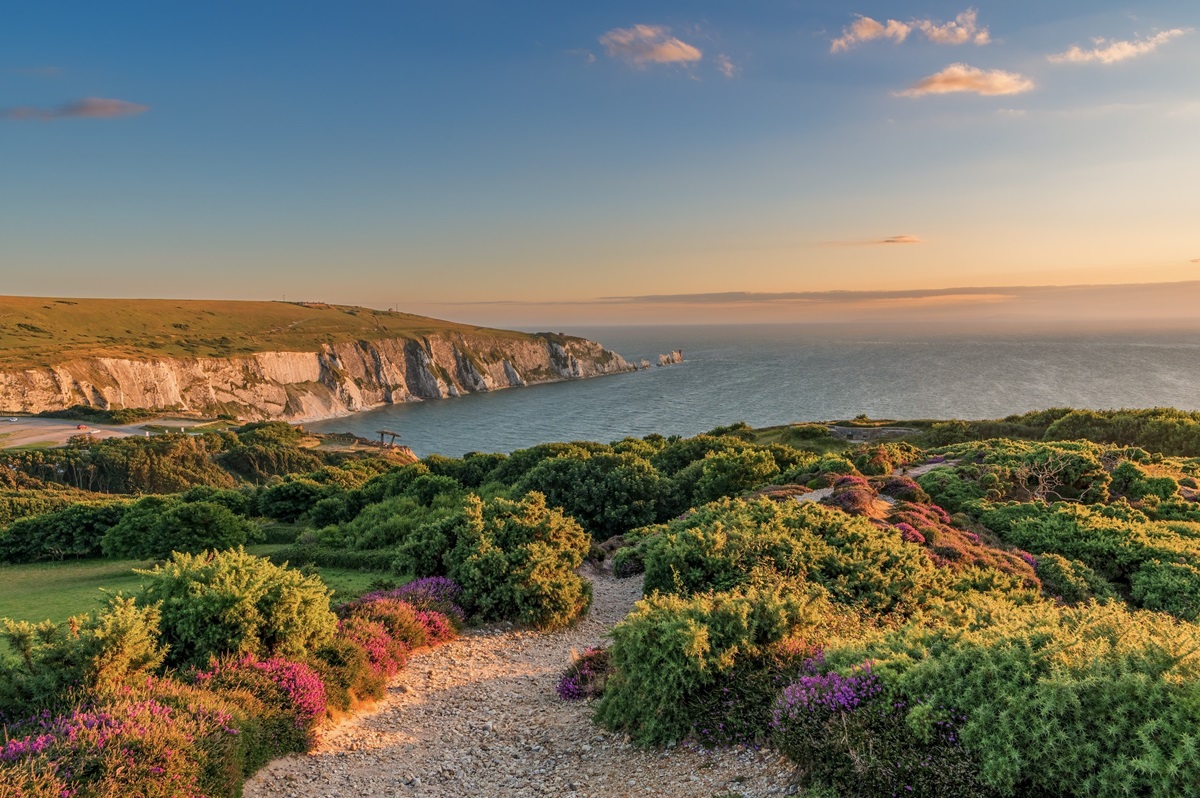
From the sailing heritage of Cowes to the quiet charm of Yarmouth and the iconic chalk stacks of The Needles, the route blends varied scenery with a strong sense of identity. Along the southern edge, open downs and sandy bays give way to hidden coves and the island’s well-known ‘chines’, before the path turns back toward the Solent to complete the circuit.
Big Skies and Castle-Lined Shores
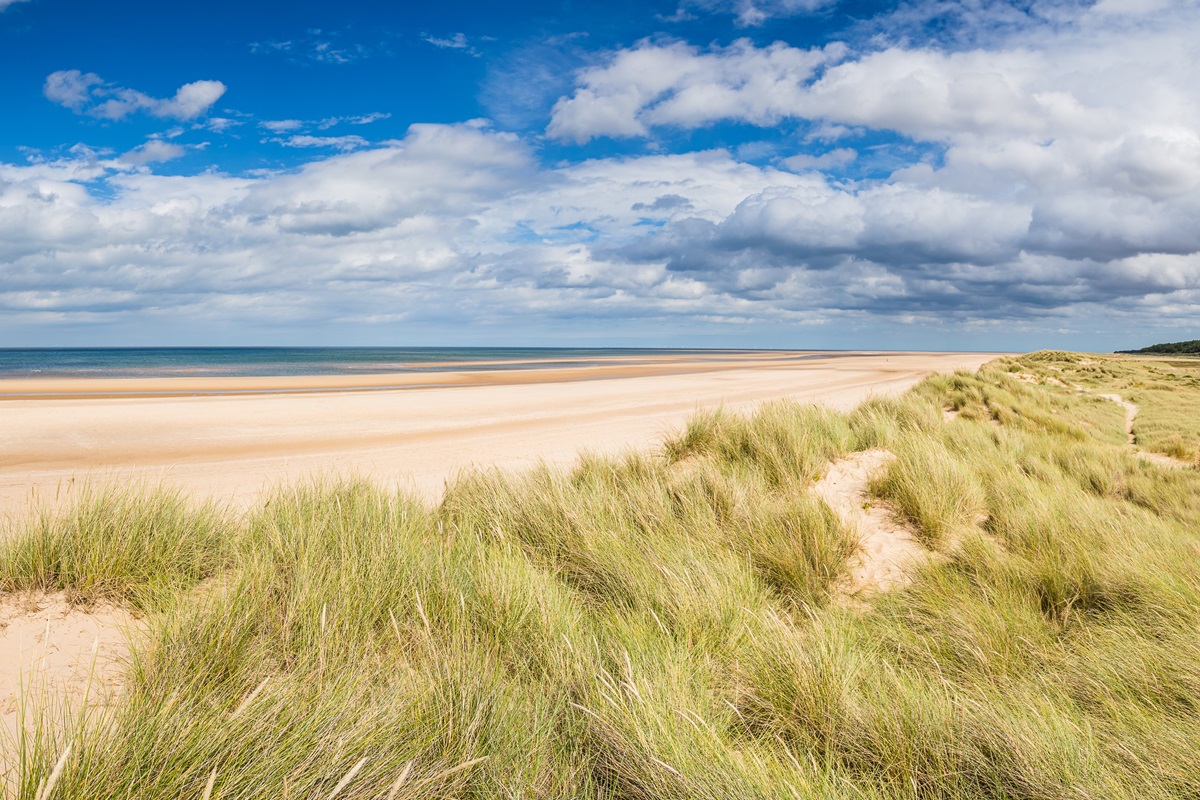
On the east coast, the landscape softens again. The North Norfolk Coast Path offers a gentler kind of walking, where big skies and wide horizons take centre stage. Running from Hunstanton to Cromer, it passes through nature reserves rich in birdlife, quiet beaches, and traditional seaside towns, with fresh seafood and a slower pace never far away. It’s a coastline that feels open, unhurried and, in many places, refreshingly untouched.
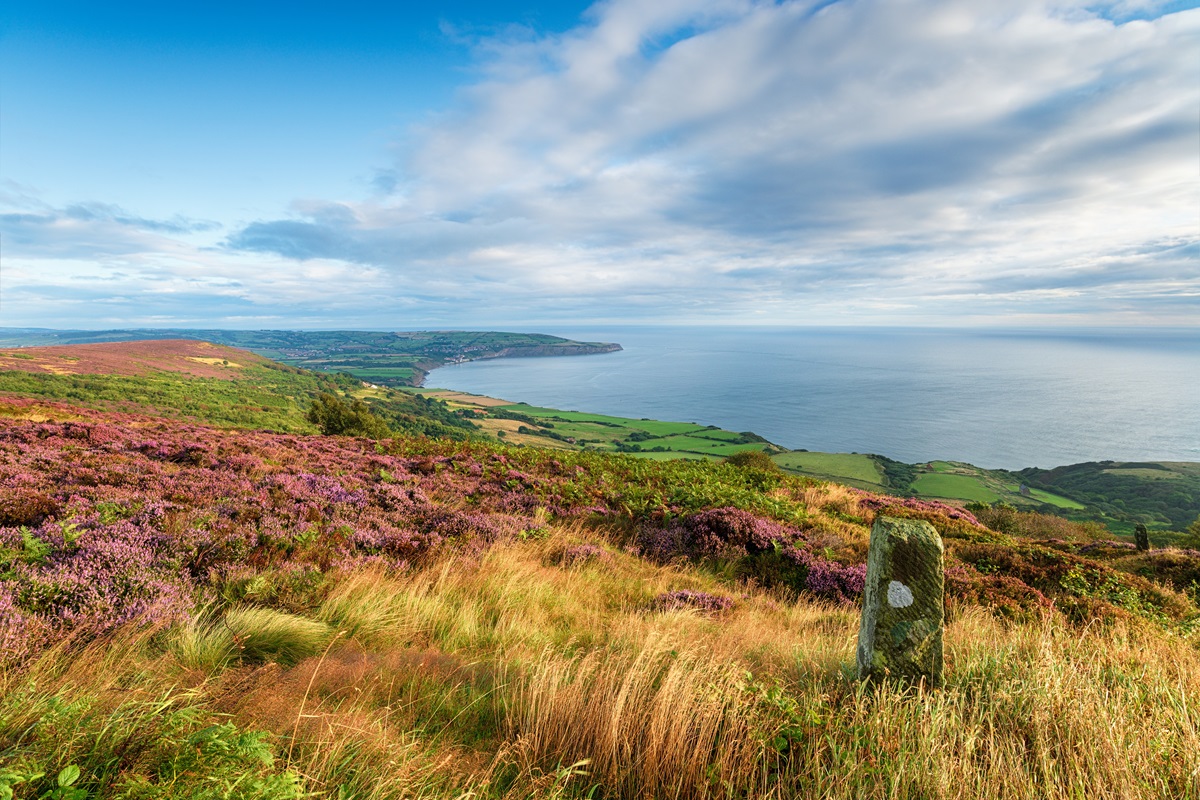
And in North Yorkshire, the coastline rises once more. The coastal half of the Cleveland Way follows high cliffs and rugged headlands from Saltburn-by-the-Sea to Filey. Along the way, historic fishing villages and classic seaside towns appear in turn, with Whitby – famed for its harbour, abbey and literary connections – providing one of the most memorable stopping points.
Further north, the mood changes once more. The Northumberland Coast Path traces a wild and spacious shoreline where history and nature sit side by side. Long, empty beaches stretch between some of England’s most striking castles – Bamburgh, Dunstanburgh and Warkworth among them – while offshore, islands such as Lindisfarne and the Farne Islands add another layer of interest. The walking here is often easier underfoot, but the sense of space and exposure gives it a distinctive character.
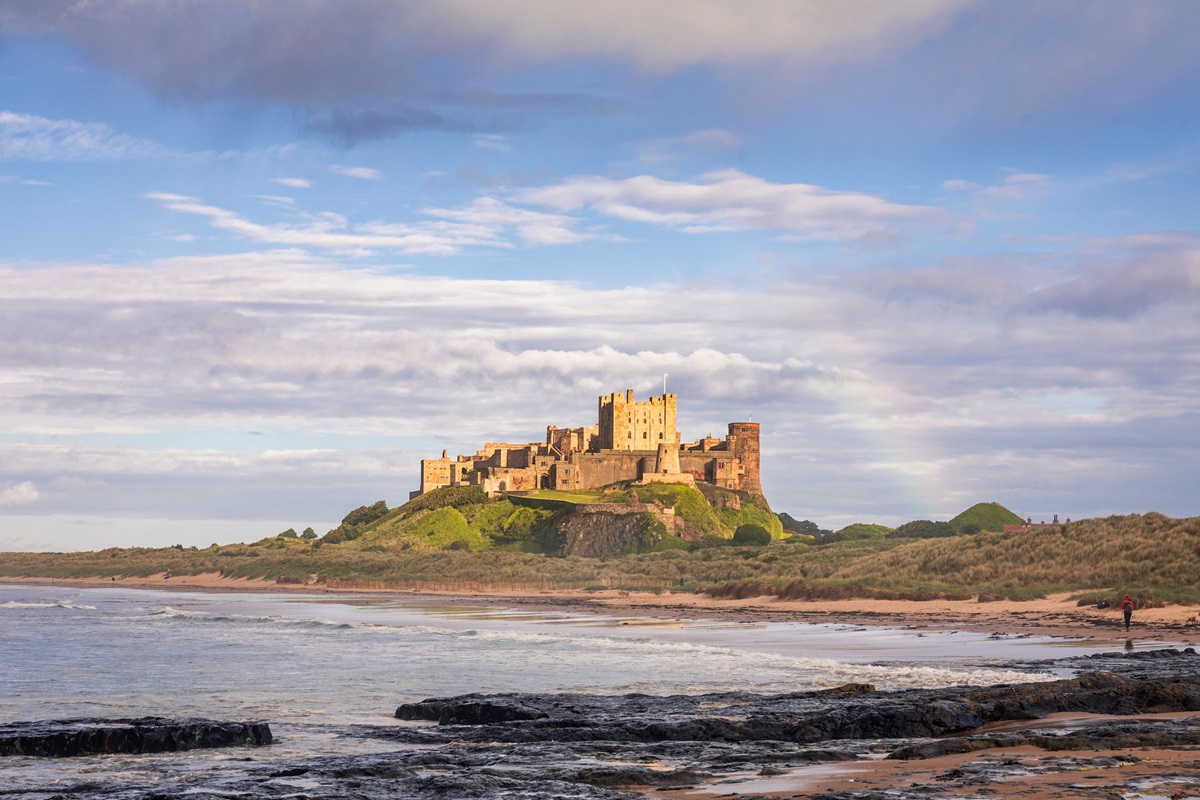
Shorter coastal experiences can be found here, too. A section of St Oswald’s Way, for example, focuses on the stretch between Lindisfarne and Warkworth, combining sweeping beaches, wildlife and a strong thread of medieval history into a rewarding few days on the trail.
A Journey to Return To
These journeys offer just a glimpse of what the coastline makes possible. The King Charles III England Coast Path is not a single, unbroken challenge to be completed, but a series of richly varied experiences, each one shaped by its landscape, its history, and its relationship with the sea.
This is a path designed to be returned to. Walked in stages. Picked up and set down again over time. A stretch explored one year, another discovered the next. And in many ways, that’s how the coast is best experienced.
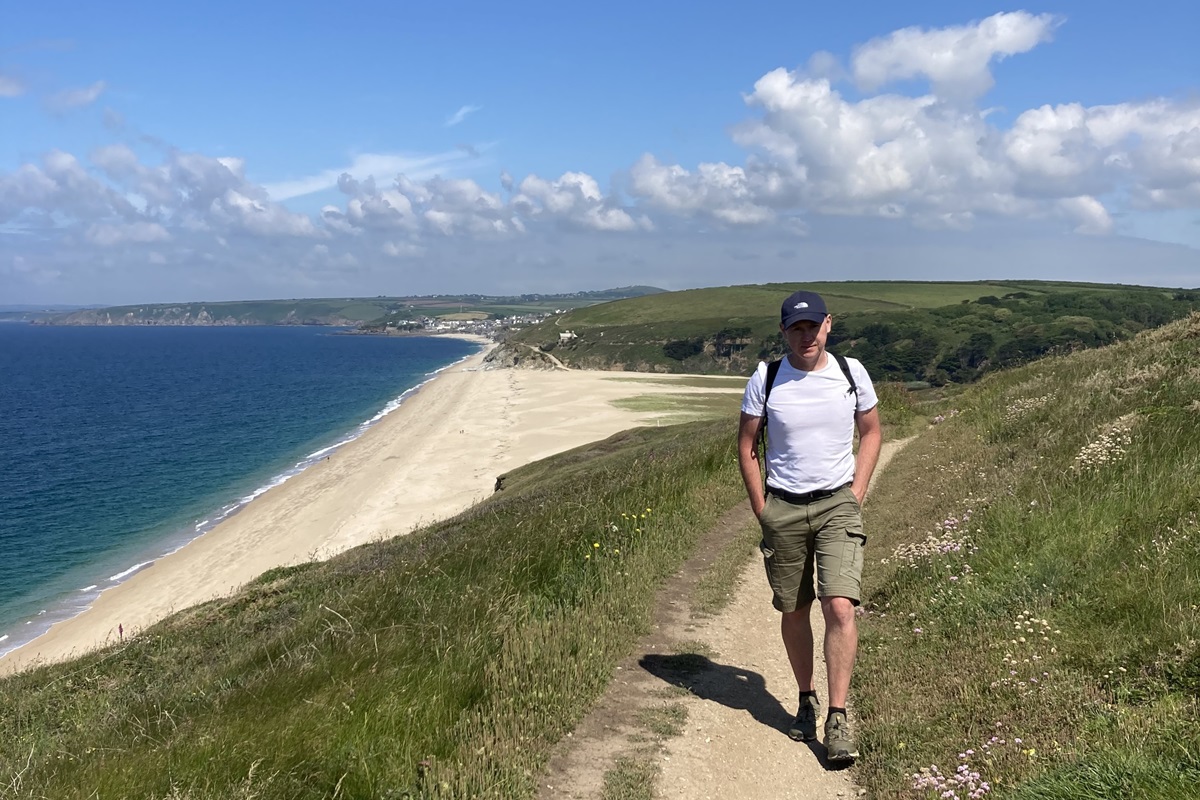
Because what stays with you is rarely the distance covered. It’s the rhythm of the walking. The changing light on the water. The contrast between one day and the next. The sense, sometimes, of being very small in a very big landscape – and at other times, of feeling completely at ease within it.
From the rugged cliffs of the South West to the open shores of Norfolk, from chalk headlands to castle-lined beaches in the north, the coastline of England offers a remarkable variety of walking. Now, for the first time, it is possible to see how all of those pieces fit together.
And perhaps the real achievement of the path is not just that it exists – but that it invites you to begin.
Ready to find your stretch of the coast?
Simply email us at [email protected] or call us on 017687 72335 to speak with one of our walking holiday experts and together we’ll find the perfect stretch of coastline for you.
