Trail Talk: Mark on the South Downs Way
Earlier this year, Mark walked a beautiful section of the South Downs Way with his daughter Eb, taking in its rolling hills, big skies, and charming villages. He recently sat down with us to share his experiences, from favourite stretches of the trail and memorable stops along the way to reflections on the landscapes that make this long-distance trail so special.
In your blog, Notes from the South Downs Way, you said you were drawn to the mild climate and the rolling arable landscapes you’d encountered on a previous visit to the South Downs. Would you like to expand on that?
So, I’ve been living in the Lakes for 15 years now, and for the most part, it’s a good place to be. If I were to have one small criticism, other than the rain – but then I suppose those lakes won’t fill themselves – it can, at times, feel a little enclosed. Towering fells standing guard over you, a lot of time spent in the shade, and much of a muchness in terms of the colour palette.
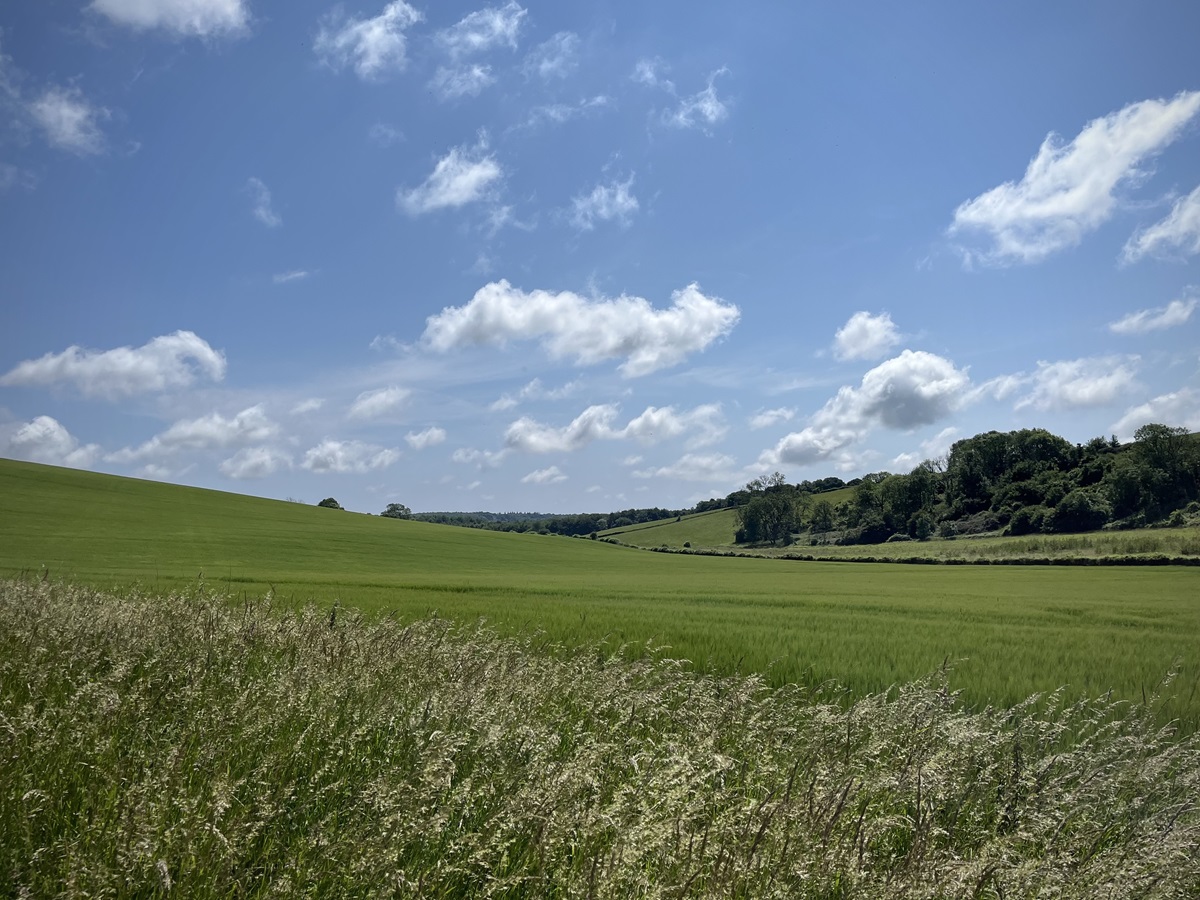
Listen, you don’t have to go all the way to the south of England to enjoy spacious arable farmland. Simply travel 30 minutes out of the National Park and there it is. However, I’d visited Denmead, not far from the trail, in late summer a couple of years ago, and as we were making our way to a friend’s house, we came over the brow of a hill. There, in front of us, was mile upon mile of colourful fields, gently folding into one another. It was a magnificent sight. Now, this is going to sound a little odd, but I remember thinking it was as if the creator had folded the landscape using a wooden spoon of biblical proportion. I did say it would sound odd!
Then there were the colours themselves. Huge fields of yellow crops swaying in the wind beneath a bright blue sky, the sharp green of thick hedgerows, and even the white-and-black traditional fingerpost road signs at the junction seemed crisper than anywhere else. To me, it was the start of the perfect recipe for an idyllic long-distance walk.
The only thing that wasn’t perfect, of course, was our timing. We went a few weeks too early and were ahead of the best of the colours – but that was the window we had, and in truth, we made peace with that very early on.
The South Downs Way stretches for over 100 miles, from Winchester in Hampshire to Eastbourne in East Sussex. You chose to walk the 64 miles from Winchester to Upper Beeding – why was that?
Two things really – no, actually three! Timing, preferred locations, and previous experience.
First of all, we’d allowed ourselves five days of walking. A working week, if you like. I say we’d allowed ourselves – had we wished to walk a few extra days, Mickledore would, of course, have encouraged that.
In terms of preferred locations, I really wanted to take in those Hampshire landscapes I’d witnessed previously – the very ones that had stayed with me and were drawing me back. Coincidentally, while enjoying a break in Hove a number of years ago, I’d walked the Seven Sisters section of the trail from Alfriston out to Beachy Head, so I already had a sense of that area and didn’t feel the need to revisit the eastern end.
I’d consider myself a strong walker, as is Eb, and had we chosen to, we could quite comfortably have opted for our six-day, seven-night itinerary and walked the entire length of the trail. But the thing is, our familiarisation trips are an opportunity to get a better understanding of the route itself and the surrounding countryside – to get a feel for the towns and villages along the way, to explore places to eat (both during the day and in the evening), and, crucially, to spend time getting to know some of our amazing accommodation providers. All of this takes time and can’t properly be achieved while trying to cover 20 miles or so in a day.
So, in short, the best use of our five days was to start at Winchester and enjoy a very comfortable daily average of 13 miles, taking us through new and much-anticipated territory to Upper Beeding, while leaving plenty of time for exploration and conversation with our hosts.
It’s sometimes said that the South Downs Way has a firm, unforgiving surface, and is hard on the feet – what was your experience?
Yes, it’s generally a firm surface, but no, it wasn’t hard on my feet! Interestingly enough, my great friend and seasoned long-distance walker Jeffrey had warned me about this, so I went prepared.
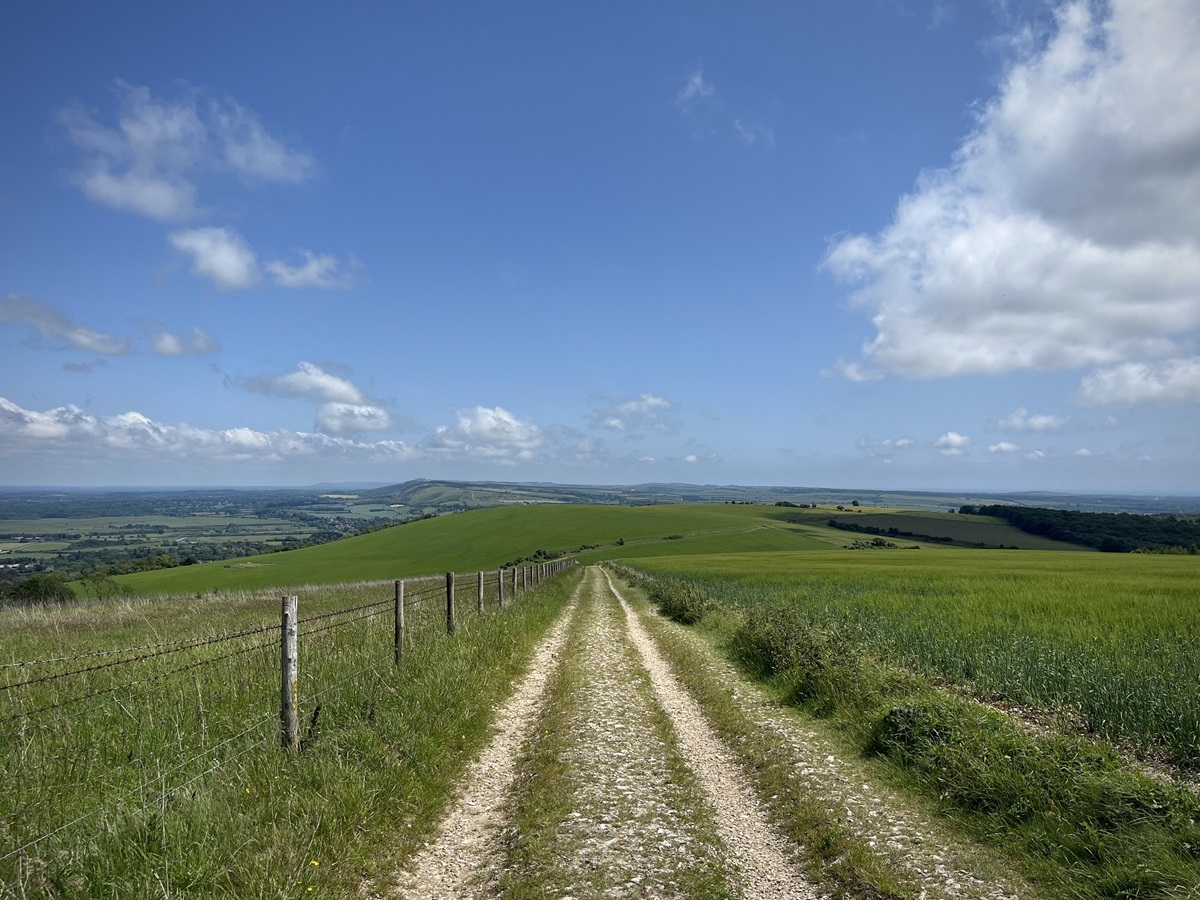
Just as a bit of an explainer, the South Downs Way mainly sits on chalk – that soft, white, porous limestone that forms the iconic cliffs of the Seven Sisters and Beachy Head, as well as the rolling hills of the Downs themselves. Hidden within the chalk are flint nodules – much harder bits of silica that survive even as the chalk erodes over millions of years. On exposed, well-trodden paths like this, much of the surface is actually made up of these flint fragments. Yes, they can be a little sharp underfoot, but on the plus side the paths are usually very well-drained.
As with any long-distance walk, good footwear is crucial. The forecast was good for the week and, knowing we’d be walking on a fast-draining surface for much of the route, I felt confident we wouldn’t encounter too many muddy sections. I opted for a trail shoe – in this case, an incredibly well-cushioned New Balance trail running shoe (not that I really run these days), quite similar to many of the deep-soled Hoka shoes you see. Other reputable brands are, of course, available and I’m quite sure are equally good.
As a result, I had an incredibly comfortable week with absolutely no discomfort whatsoever – and they were a much lighter option than walking boots, which is a blessing on warm summer days. There were the odd wet, slippy patches when walking through woodland and, had the outlook been for rain, I’d probably have reconsidered and gone for the security of a waterproof boot. In the end, though, it turned out to be a good decision.
And when I say I don’t run, that’s not strictly true – rather amusingly, after five days of walking Eb persuaded me to take part in my first-ever parkrun along Hove promenade. It was great fun, and we’re fairly sure we shared the occasion with comedian Joe Wilkinson!
Tell us about a few of the highlights – your favourite stretches of walking.
Winchester is simply stunning, and it has so much to offer – probably best known for its medieval cathedral, with its Morley Library (founded in the 17th century), the Winchester Bible, and a Norman crypt. Add to that the ruins of Wolvesey Castle, as well as Winchester City Mill – a working 18th-century corn mill – and Winchester Castle, whose Great Hall houses the medieval Round Table linked to King Arthur.
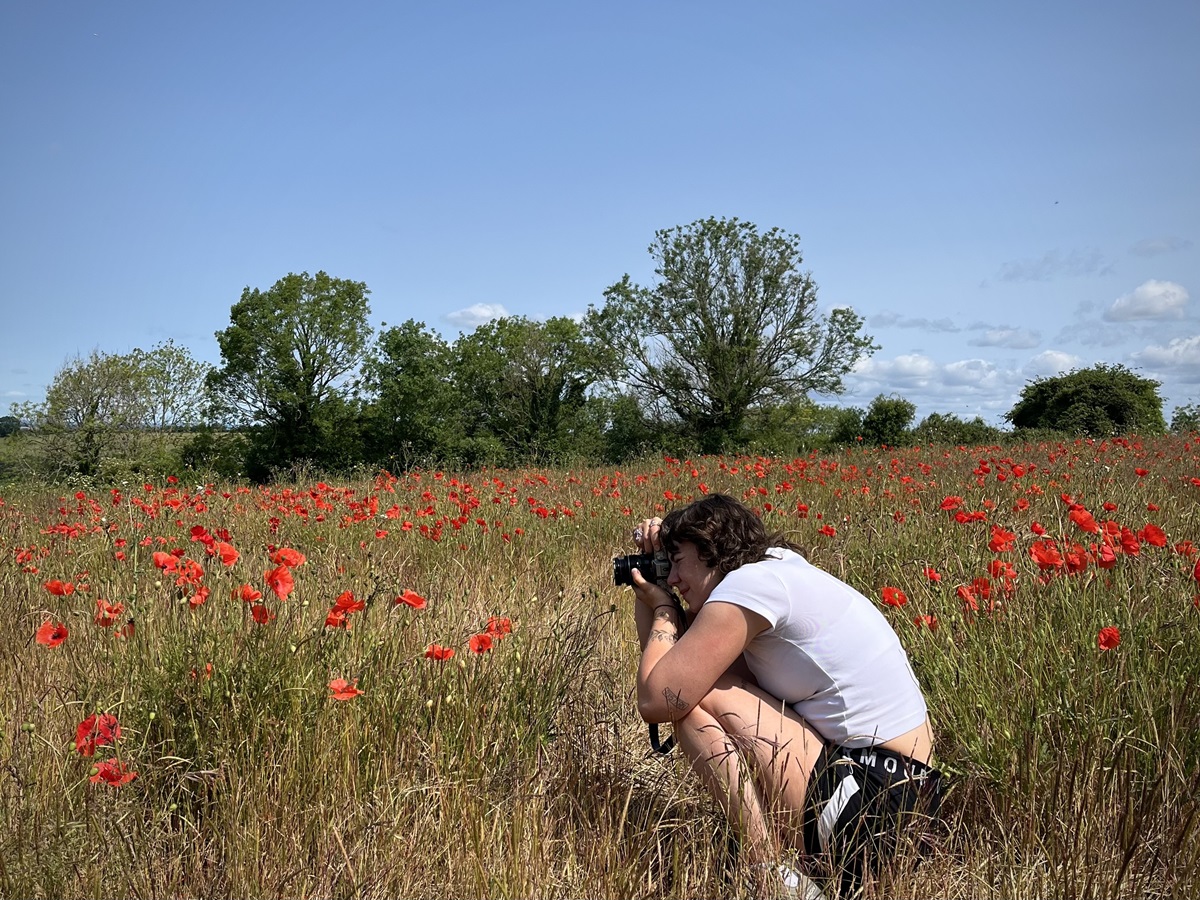
It’s a difficult place to leave behind, made even harder by the beautiful walk along The Weirs. We could quite easily have stayed another night and started the walk the following day. However, the walk up onto Cheesefoot Head and alongside the poppy-filled fields made the departure more bearable.
Bignor Hill, between Cocking and Amberley, was a particularly lovely stretch. The views from the top were sublime – sweeping along the ridge of the Downs and tumbling into the Arun Valley below. It was here – and I mention this in my blog – that we had the presence of mind to stop for the best part of an hour and simply bask in the warmth of the afternoon sun, sitting on the edge of a dandelion-filled meadow. Confirmation, as if we needed it, that choosing shorter daily distances had been the right decision.
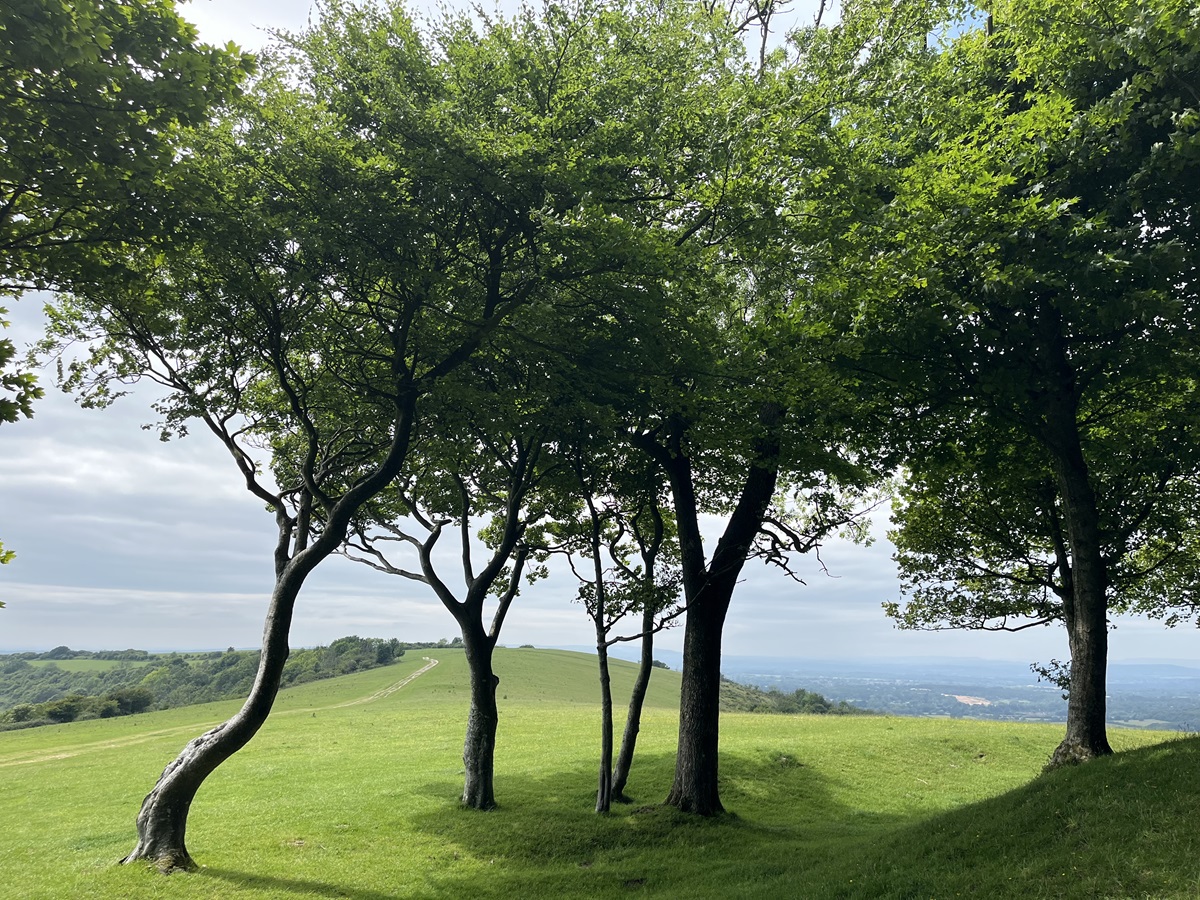
Another truly delightful stretch was by Chanctonbury Ring, high on the ridge between Amberley and Upper Beeding. The circular crown of beech trees was planted in the 18th century on the site of an ancient hill fort, carrying with it centuries of story and superstition.
Even as I list these, many more memorable sections spring to mind. Every day had something of real note. If you asked, Eb would no doubt tell you that walking over Old Winchester Hill was a standout moment, as was the walk off Butser Hill – the highest point on the trail – and later the same day, the walk through the majestic Queen Elizabeth Country Park. So much so, that even my little navigation error, which forced us to retrace our steps through a lovely stretch of woodland, felt like a bonus rather than a frustration.
With so many highlights along the way, it’s impossible to choose a single favourite – each day brought its own rewards, surprises, and moments to savour really.
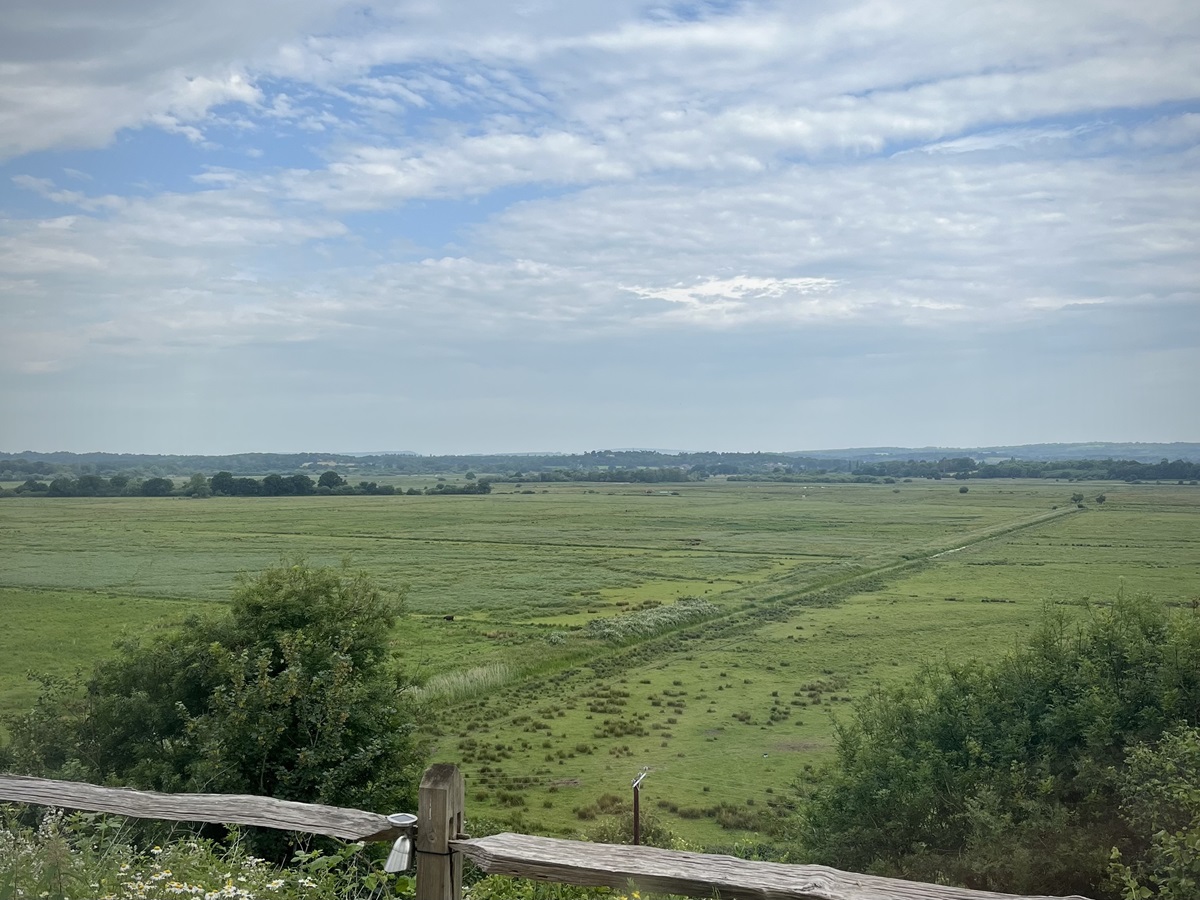
Less of a question this time, more of a prompt – you wanted to share a few thoughts about one of our accommodations, the Sportsman Inn at Amberley.
Yes, the Sportsman Inn is a proper local pub with spectacular views over the Amberley Wildbrooks.
Inside, it has everything you want at the end of a long day on the trail: a genuinely warm welcome, a relaxed atmosphere with a friendly buzz, seriously good food, and rooms that make you reconsider ever going home. Amberley, and the Sportsman in particular, is the kind of place where you arrive in the afternoon as a stranger, and by breakfast, half the village has said hello.
Sadly, this lovely pub is under threat. The freehold is up for sale, and without support, there’s a real risk it could be lost to redevelopment. The community has stepped up in a big way – running the pub, proving it can thrive, and campaigning to secure its future for generations to come.
If you’ve walked the South Downs Way, plan to, or simply love seeing village pubs remain at the heart of their communities, take a look at their campaign and see how you can help keep the Sportsman Inn at the heart of Amberley.
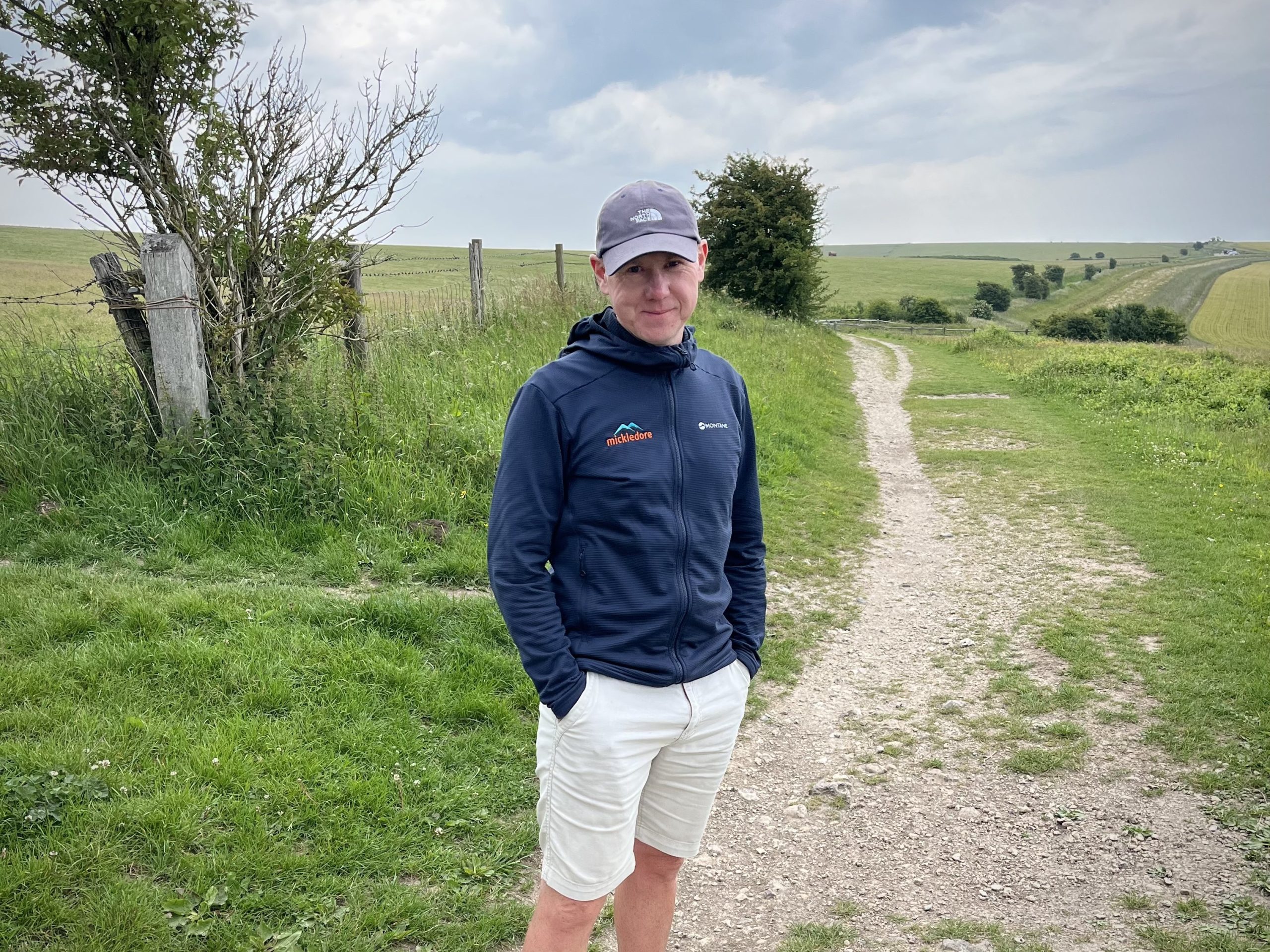
And finally, What advice would you give to anyone considering walking the South Downs Way?
So, much of this I’ve covered already, but just to recap, I’d say the first thing is to plan for a pace that lets you enjoy the journey. It’s tempting to try to cover long distances each day, but shorter, comfortable daily sections make a real difference – you’ll have time to take in the views, explore the villages, and stop for a coffee without feeling you’re racing the clock. For us, a pair of daydreamers who are happy to lie back in the sun for a while, averaging around 13 miles a day worked really well.
On the subject of coffee, do try and seek out Holden Farm, between Winchester and Exton, as well as Cadence, between Cocking and Amberley.
Footwear is another key consideration. As I said, the trail is mainly chalk with flint fragments, so a well-cushioned trail shoe is ideal in dry weather, while waterproof boots make sense if rain is forecast. And remember, some stretches may feel harder underfoot than others, but a good shoe and sensible pacing will see you right.
Finally, think about your start and finish points. The South Downs Way offers flexibility: you don’t have to walk the full 100 miles to have a thoroughly rewarding experience. Whether you choose a classic week-long itinerary or a shorter section, there’s plenty to enjoy in every mile – the scenery, the history, and the welcoming villages along the route. Plan carefully, pack sensibly, and leave space for moments that make the walk truly memorable.
A big thank you to Mark for sharing his reflections on the South Downs Way.
If you’ve been inspired by his journey, and are considering walking the South Downs Way, and would like to know more, simply email us at [email protected] or call us on 017687 72335 to speak with one of our walking holiday experts.